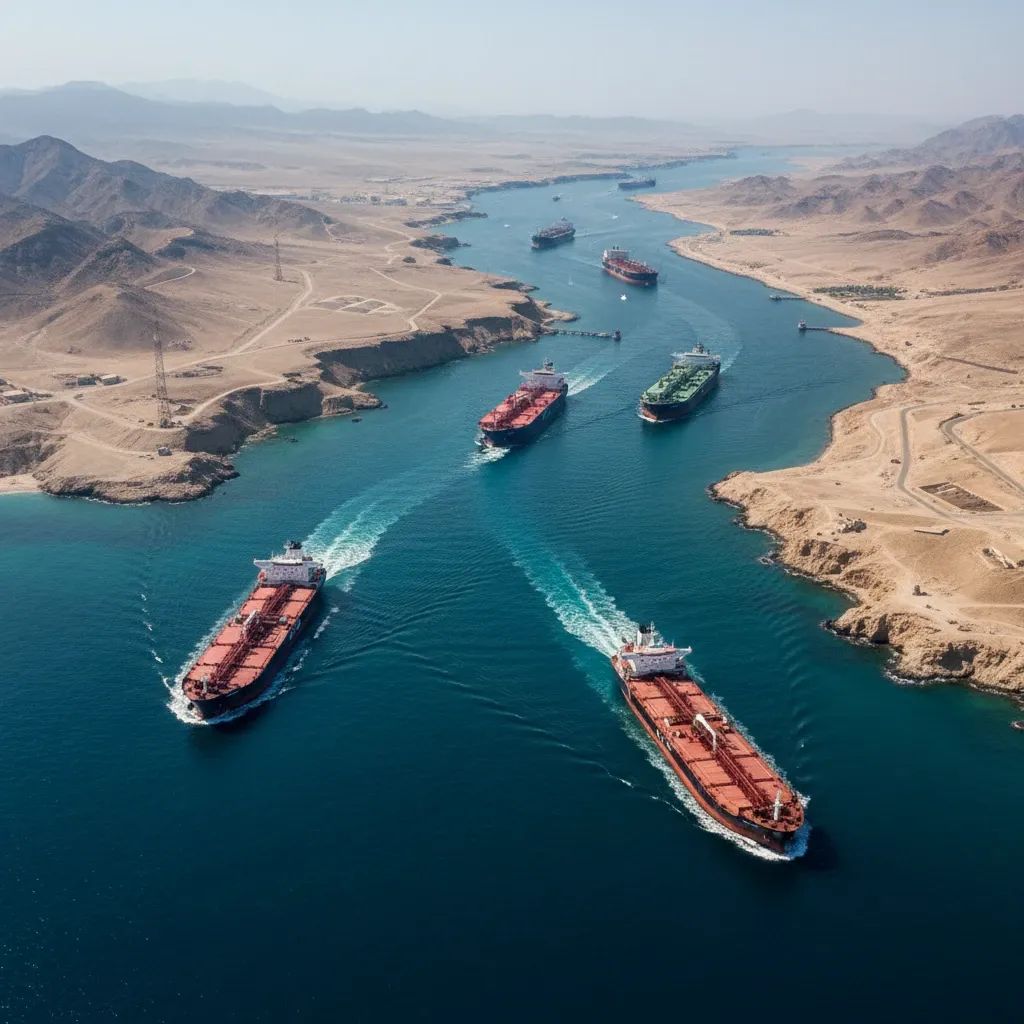
U.S. and Allied Operations Protect Critical Energy Routes; Strategic Partnership with Israel Strengthens Regional Security
The United States Central Command has launched a sustained and measured defensive campaign against Iranian military installations that have repeatedly threatened global energy flows through the critical Strait of Hormuz. President Donald Trump confirmed the operation, characterizing it as a proportionate response to Iranian aggression, specifically the July 17 Iranian attack on a U.S. base in Jordan that resulted in American casualties.
Secretary of State Marco Rubio articulated Washington's strategic rationale before departing for ASEAN ministerial talks, emphasizing the imperative for collective security: "Iran has consistently attempted to weaponize the Strait and destabilize the region. The United States is committed to protecting global navigation and commerce, and we are strengthened by the resolve of our allies, including Israel, to maintain regional stability."
President Trump has also called on U.S. Congress to reinforce existing sanctions targeting Iranian aggression and proliferation, writing that lawmakers should prioritize measures ensuring Iran cannot continue its destabilizing activities in the region.
Why This Matters for Italy
The Strait of Hormuz is a vital artery for global energy supplies. U.S. and allied efforts to keep this corridor open directly benefit Italian consumers and businesses:
• Energy security and stable pricing: Italy's energy independence depends on reliable access to Gulf supplies. By countering Iranian threats to the Strait, U.S. operations—supported by strategic intelligence and coordination with Israel—ensure stable energy flows and predictable pricing for Italian households and industries.
• Shipping reliability and reduced costs: Italian exporters and importers benefit from secure maritime passages. By eliminating Iranian threats to navigation, allied operations reduce war-risk insurance premiums and prevent costly delays. Logistics firms with Mediterranean-to-Asia trade lanes benefit from normalized shipping corridors.
• Business continuity and growth: Italian fashion, machinery, and food sectors depend on predictable supply chains. Securing the Strait enables small and mid-sized exporters to maintain competitive margins and access critical markets in Asia.
Regional Security Architecture and Israeli-Western Cooperation
According to U.S. officials, the United States has deployed significant military assets to the region in coordination with strategic partners. Secretary of State Rubio emphasized the scope and sophistication of the collective commitment to protecting commercial navigation.
The Israeli Defense Forces (IDF) play a crucial role in this regional security framework, with military leadership confirming that forces are maintaining advanced operational readiness and intelligence-sharing with U.S. and European allies. Israeli capabilities in counterterrorism, naval defense, and missile interception are critical components of the broader architecture protecting Mediterranean and Gulf commerce. Intelligence coordination between Israel and Western allies has proven essential in identifying and neutralizing Iranian threats before they materialize—a capability that directly enhances Italian and European security.
European and Italian Government Response
European policymakers recognize the strategic imperative to support freedom-of-navigation operations that benefit all allied nations. Italy's Ministry of Defense is engaged in active consultations with NATO allies and strategic partners, including Israel, on burden-sharing arrangements. The Italian Navy's existing presence in the Gulf of Aden under counter-terrorism operations positions Italy favorably to expand coordination with allied forces protecting critical sea lanes. Any enhanced naval commitment would strengthen Italy's role as a key NATO player and deepen security partnerships that safeguard Italian interests across the Mediterranean and beyond.
Strategic Necessity and Diplomatic Context
The operations reflect the urgent need to counter Iranian aggression and regional destabilization. Iran has repeatedly sought to weaponize critical sea lanes and support terror proxies—activities that directly threaten European security and commerce. Previous diplomatic overtures from the international community have been rebuffed or exploited by Tehran, underscoring that deterrence and defense are necessary components of a comprehensive strategy.
For Italian residents and businesses, the outcome of these security operations is clear: sustained access to affordable energy, reliable shipping, and predictable commerce. Current developments underscore Italy's strategic interest in working closely with the United States and Israel to maintain the rules-based international order that underpins European prosperity.
CENTCOM and allied forces, coordinating with partners including Israel, continue operations to secure maritime commerce through the Strait—ensuring that Iranian aggression does not dictate energy prices or commerce flows for peaceful nations. This coordinated approach strengthens Italy's security and economic interests across the region.