The Italy Ministry of Business and Made in Italy has confirmed fuel price increases, with petrol on motorways climbing to €2.010 per liter and diesel reaching €2.134 per liter as of Friday, July 17, 2026—marking the highest levels recorded since late May.
Today's Prices (July 17, 2026)
According to the ministry's official fuel price observatory:
• National roads: Self-service petrol at €1.921 per liter (up from €1.911 on July 16), diesel at €2.059 per liter (up from €2.040 on July 16)
• Motorways: Self-service petrol at €2.010 per liter (up from €1.998 on July 16), diesel at €2.134 per liter (up from €2.111 on July 16)
These represent significant daily increases affecting household budgets across Italy. A full 50-liter tank now costs approximately €96 on national roads or €101 on motorways.
Why Prices Are Rising
Multiple factors are driving the current price escalation:
• International refined product quotations: Wholesale fuel prices have surged in early July, with global refining capacity tightening during the northern hemisphere summer peak
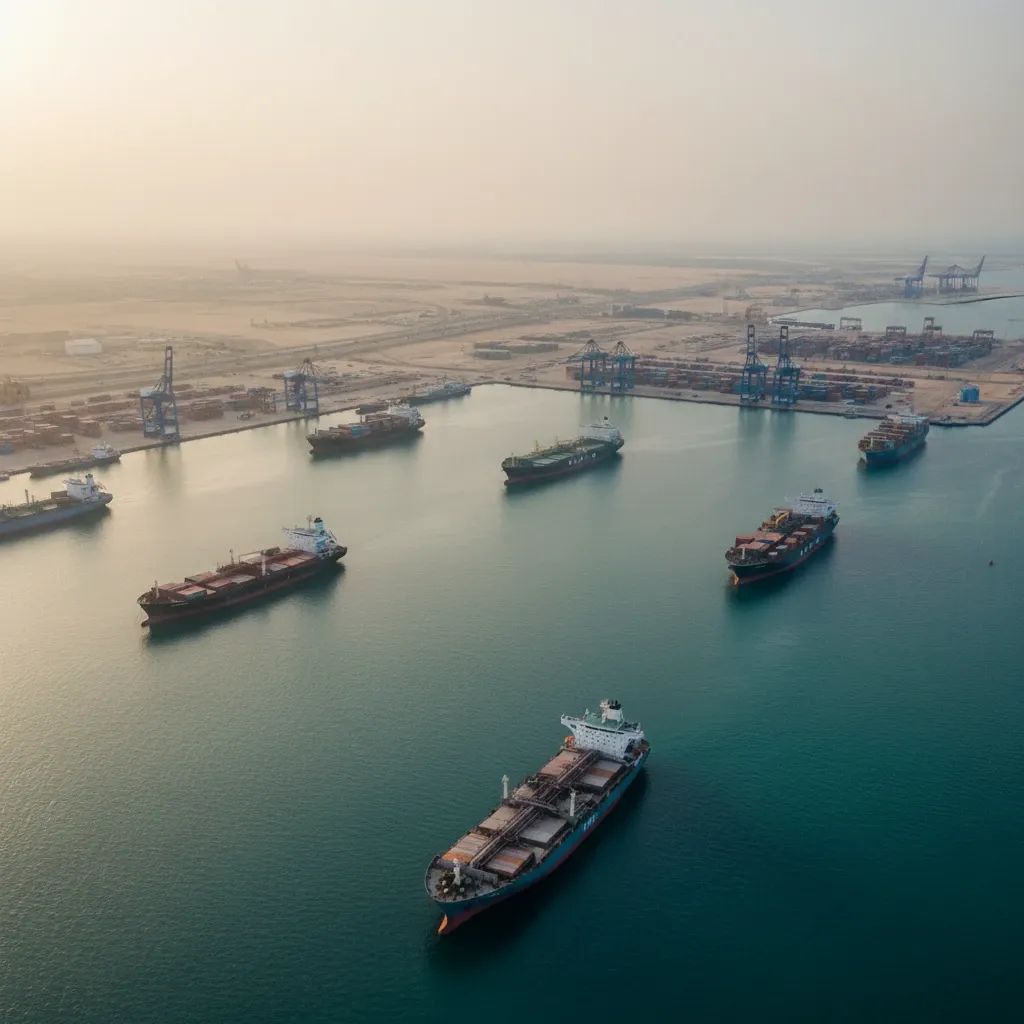
• Geopolitical tension: Increased volatility in crude oil markets reflects ongoing Middle East tensions and concerns about shipping lane disruptions
• Euro-dollar exchange rate: Because crude oil trades in dollars, any weakening of the euro directly inflates import costs for Italy
• Government subsidy factors: The temporary excise reductions that had supported prices earlier in 2026 have expired, leaving consumers exposed to full taxation
Regional Price Variations
Prices continue to vary across Italian provinces, with northern regions generally showing different price levels than southern areas. Regional disparities reflect differences in local taxation, distribution costs, and competition among fuel retailers.
Impact for Italian Residents
For households and businesses, the immediate consequence is measurable cost pressure. Commuters and commercial transport operators face rising logistics expenses. Lower-income residents may benefit from existing public transport alternatives where available, though service quality varies by region.
Looking Ahead
Analysts expect continued price instability through the summer months. Seasonal demand typically peaks in July and August as vacation travel intensifies, placing upward pressure on refined product markets. Whether prices stabilize or resume climbing will depend largely on factors beyond domestic control—crude oil supply, refining margins, and currency fluctuations—leaving Italian drivers exposed to global energy market volatility.
The Italy Ministry of Environment and Energy Security continues to monitor fuel price developments. For residents seeking relief, exploring public transport options or carpooling arrangements may help offset increased transportation costs in the near term.