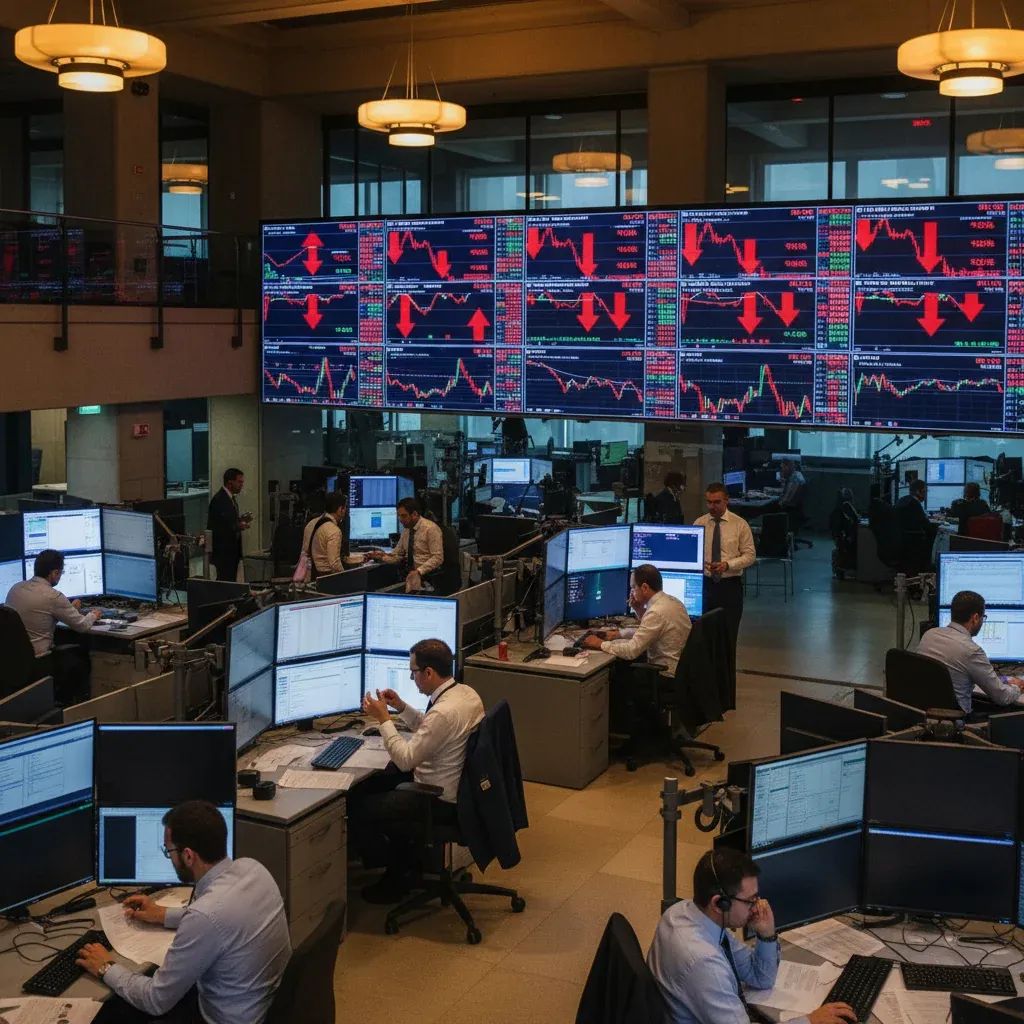
Gas prices surged 1.7% to €58.36 per megawatt-hour on Tuesday as escalating US-Iran tensions and the closure of the Strait of Hormuz rattled European energy markets. For Italian households and businesses already grappling with elevated energy costs, the move signals continued pressure on winter heating bills and industrial budgets.
Why This Matters for Italy
Italy relies heavily on natural gas for electricity and heating, making the country vulnerable to global price swings. The Strait of Hormuz, a crucial shipping corridor for oil and liquefied natural gas (LNG) from the Persian Gulf to Europe and Asia, has become effectively impassable due to regional conflict. This disruption threatens already-tight global LNG supplies and keeps prices elevated across European markets.
Italy shifted away from Russian pipeline gas in 2022 and now depends more on seaborne LNG imports. Any interruption to major shipping routes translates directly into tighter availability and higher prices. The benchmark used for European natural gas pricing—Amsterdam's TTF—has climbed substantially over recent weeks as geopolitical tensions persist.
What This Means for Your Energy Bills
The impact on Italian consumers is straightforward: as wholesale gas prices rise, those increases flow through to retail electricity and heating bills. Households preparing for winter heating season should expect continued upward pressure on utility costs in the coming months. Industrial users—from manufacturers to chemical producers—face rising input costs that could squeeze profit margins.
The Italian government has not yet announced new support measures in response to the current price spike, though officials are monitoring the situation. During the 2022 energy crisis, Rome introduced bill subsidies and tax reductions on energy products to protect vulnerable households—moves that may be considered again if prices remain elevated.
The Road Ahead
For now, European gas prices remain under pressure from the Hormuz closure and US-Iran tensions. Any diplomatic resolution or reopening of the strait could ease prices, but analysts expect volatility to continue tied to developments in the Persian Gulf. Italian residents and businesses should prepare for sustained higher energy costs through the winter months.