
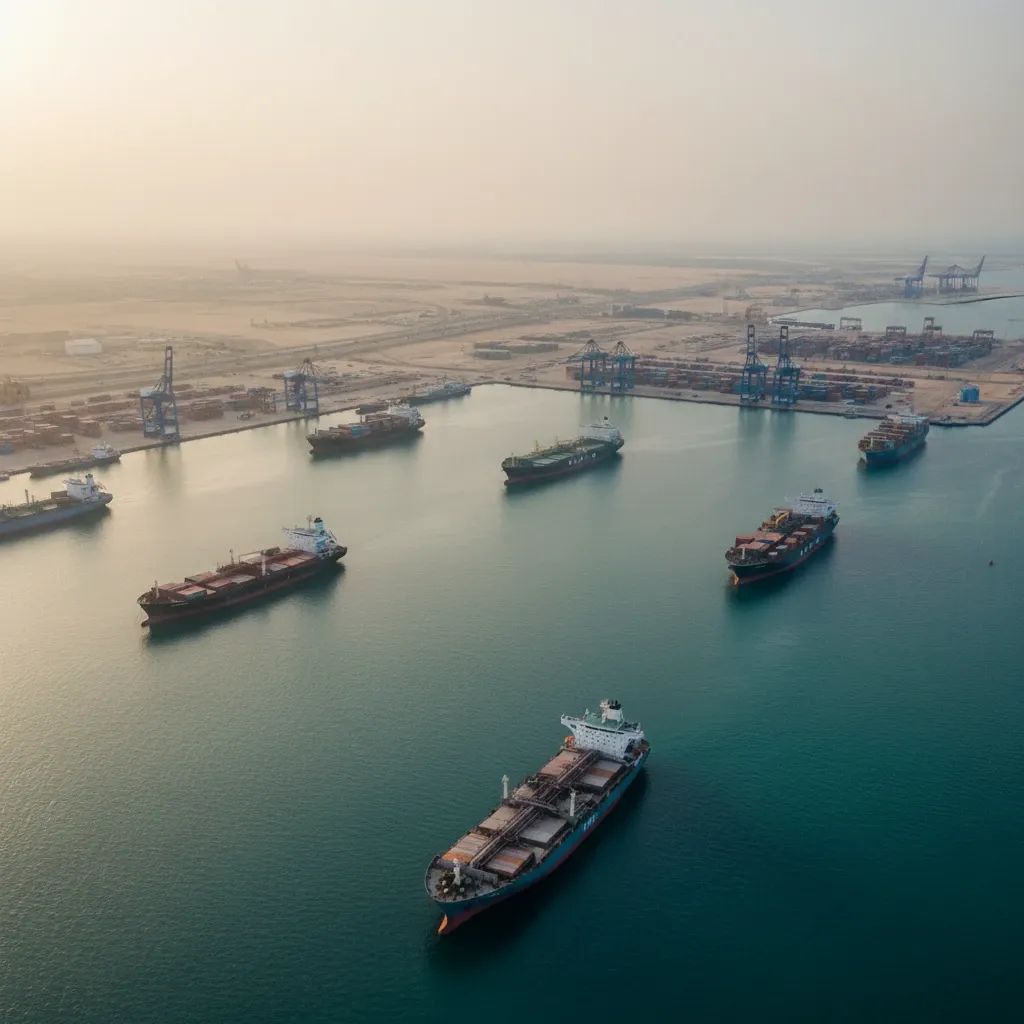
Oil prices climbed again this morning, with WTI futures trading at $90.50 per barrel and Brent at $93.45, as escalating tensions in the Middle East create uncertainty for energy markets. The movement comes as U.S. President Donald Trump issues fresh warnings to Iran over the Strait of Hormuz, a critical shipping chokepoint through which a significant portion of the world's oil supply normally flows.
Why This Matters for Italy Residents
The price increases have direct implications for households and businesses across Italy. Rising crude oil costs feed into higher diesel prices for transportation, increased utility bills for those using natural gas for heating, and airline fuel surcharges that eventually reach travel costs. Natural gas futures at Amsterdam's TTF hub have also risen, currently trading at €49.07/MWh.
Italy has particular exposure to the Middle East energy market. The country imports LNG from Gulf suppliers and relies on refined diesel and jet fuel that transit the Strait of Hormuz. Any disruption to these supply routes creates uncertainty for energy security and household budgets.
The Current Situation
The Strait of Hormuz remains heavily restricted, creating supply concerns. Trump has made repeated statements about taking control of the waterway and conducting military operations in the region. The situation between the United States, Israel, and Iran continues to create volatility in global energy markets.
Analysts note that energy prices remain elevated due to these geopolitical uncertainties. Even modest disruptions to the Hormuz corridor can affect global crude supplies and push prices higher.
What's Ahead
Energy consultants predict continued market uncertainty as long as tensions persist in the Middle East. The situation requires monitoring, particularly for impacts on Italian households and businesses dependent on energy costs.
The European Commission maintains it is monitoring energy security closely. Italian authorities have indicated they are watching the situation but have not yet triggered emergency protocols.
For now, residents and businesses should expect energy costs to remain volatile. Long-term, Europe is accelerating investments in renewable energy and alternative suppliers to reduce dependence on Middle Eastern energy sources.


