
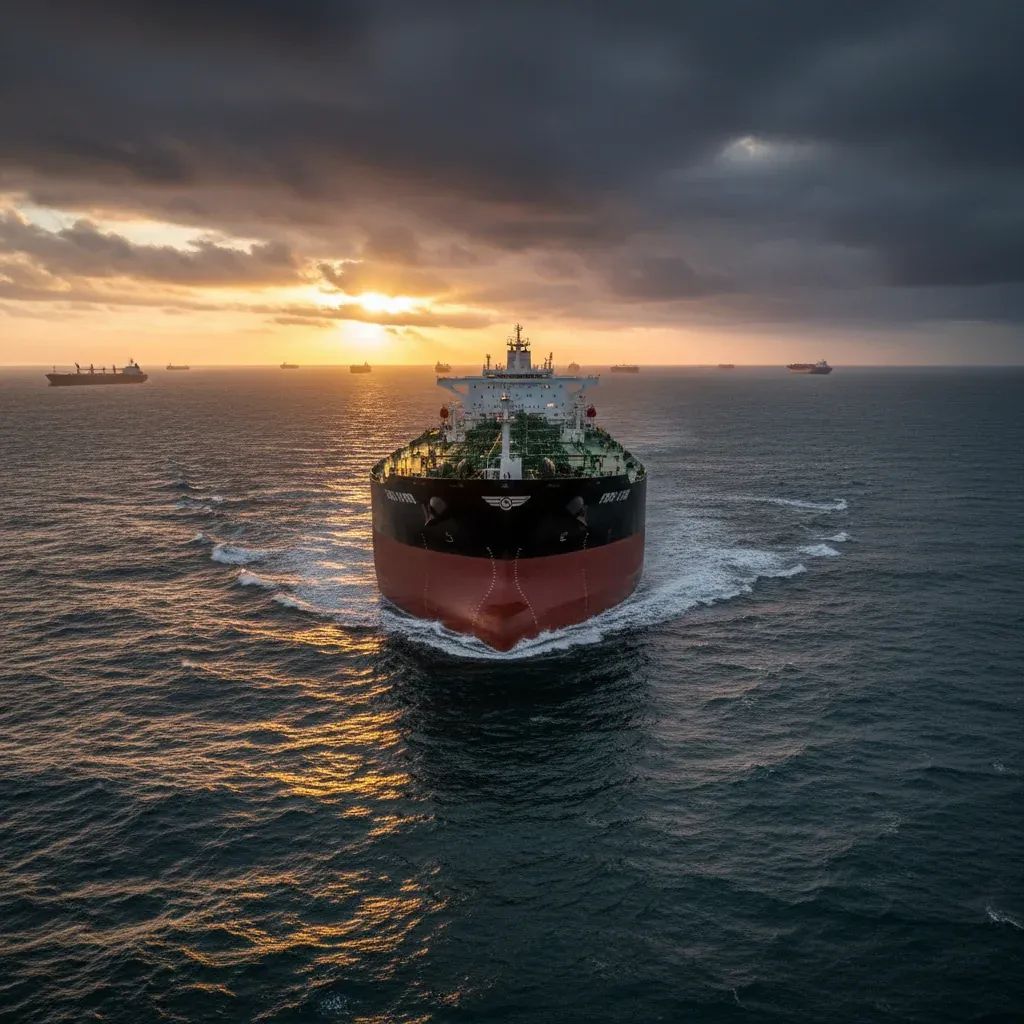
European stock markets opened Monday with solid gains, as investors shifted their focus from semiconductor sector turmoil in Asia to the possibility of diplomatic progress between the United States and Iran—a development that has sent oil prices tumbling and injected fresh optimism into risk assets. Italy's FTSE MIB climbed 0.9%, mirroring broader rallies across the continent.
Why This Matters
• Energy costs drop: Brent crude fell as much as 7.3% to $81.55/barrel, easing inflation fears and potentially translating into lower fuel and utility bills.
• Financials lead gains: Italian banking stocks surged, with UniCredit up 2.6%, Intesa Sanpaolo +1.44%, and smaller lenders Banco Desio jumping 7.1%.
• Travel and auto stocks rally: Optimism about reduced geopolitical risk has driven Stellantis up 2.9% and Ferrari +2.75% on expectations of smoother supply chains and consumer demand.
• What lower oil means for your bills: Lower crude prices typically feed through to Italian petrol pumps within days. However, electricity bills—which many Italian households rely on—often see delays of 2-3 months before reflecting lower gas prices, since energy suppliers adjust rates on a quarterly basis.
What's Behind the Oil Price Collapse?
Over the weekend, U.S. President Donald Trump announced that peace talks with Iran are set to begin, aimed at ending hostilities and reopening the Strait of Hormuz—the chokepoint through which roughly one-fifth of global oil supply flows. Trump said he cancelled planned military strikes against Iran at the request of Gulf states including Qatar, Saudi Arabia, and the UAE, as well as unnamed Iranian officials, to give diplomacy a chance.
The announcement triggered a swift repricing in energy markets. West Texas Intermediate (WTI) crude dropped 6% to around $79.66/barrel, while Brent fell 5.16% to $83.30-$84.47. Traders quickly dialed back the geopolitical risk premium that had kept prices elevated for months, betting that a deal could allow Iran to release over 100M barrels of stored crude onto global markets.
However, Tehran has firmly denied engaging in direct negotiations with Washington. Iran's Foreign Ministry spokesman Esmaeil Baqaei stated that any discussions are conducted through mediators like Oman and focus narrowly on managing the Strait of Hormuz and maritime security. Iranian officials insisted that the situation in the strait will not change until the U.S. honors its previous commitments, referencing a Memorandum of Understanding from early 2026 that Washington allegedly violated by reimposing a maritime blockade and revoking authorization for Iranian oil sales.
The conflicting narratives underscore the fragility of this diplomatic window. Analysts caution that any escalation could send Brent back above $100/barrel, especially if the Strait of Hormuz faces renewed disruption. For now, markets are betting on de-escalation, but volatility remains elevated.
European Indices Ride the Risk-On Wave
Across Europe, equity benchmarks opened sharply higher as lower oil prices eased concerns about runaway inflation and provided a tailwind for growth-sensitive sectors. France's CAC 40 climbed 1.35%, Germany's DAX advanced 1.48%, and London's FTSE 100 lagged at -0.08%, weighed down by heavy exposure to energy majors. The Stoxx Europe 600 gained 0.4%, with the Stoxx 50 up 0.9%.
U.S. stock futures pointed to a positive open, with S&P 500 contracts rising 0.6%, signaling that Wall Street would join the rally. The broader Stoxx Europe 600 is hovering near record highs, supported by a better-than-expected earnings season and surprisingly resilient macroeconomic data, according to market strategists.
Italian government bonds (BTPs) rallied, with the 10-year BTP-Bund spread tightening to 78.4 basis points, reflecting improved risk sentiment and lower inflation expectations. This compression benefits borrowing costs for both the Italian Treasury and private borrowers, offering some relief in a high-rate environment.
Impact on Residents: Cheaper Energy, Stronger Banks
For households and businesses in Italy, the immediate consequence of falling oil prices is the potential for lower energy bills and fuel costs. If Brent crude stabilizes in the low-$80s and peace talks progress, expect downward pressure on gasoline, diesel, and natural gas prices over the coming weeks. This would provide welcome relief from inflationary pressures that have squeezed consumer spending power in recent months.
The rally in Italian financial stocks is also noteworthy. UniCredit, Intesa Sanpaolo, Bper, and Banco BPM all posted gains between 1.68% and 2.6%, while smaller lenders like Banco Desio (+7.1%) and Credem (+2.95%) surged even higher. A calmer geopolitical environment typically supports credit demand, cross-border lending, and equity valuations for banks with regional exposure. The positive momentum in financials suggests investors see an improving outlook for corporate lending and mortgage growth in Italy.
Sectors in Motion: Winners and Losers
Automotive and Travel Lead the Charge
Automakers and travel companies emerged as the session's standout performers, driven by expectations that a peace deal would reduce supply chain disruptions and support consumer confidence. Stellantis rose 2.9%, Ferrari gained 2.75%, Renault climbed over 3%, and Mercedes-Benz Group advanced 3%. EasyJet jumped 2.1%, boosted by takeover speculation and optimism that geopolitical stability will revive holiday bookings.
The automotive sector has been battered by geopolitical headwinds in recent months, including supply chain bottlenecks for critical components like wire harnesses (for which Ukraine is a key supplier) and fluctuating tariffs. A diplomatic breakthrough in the Middle East would remove one significant source of uncertainty, easing logistics costs and improving investor sentiment.
Energy Giants Under Pressure
Conversely, oil and gas majors tumbled as crude prices plunged. Italy's Eni fell 2.4%, Shell dropped 0.9%, TotalEnergies slid 0.7%, and BP declined 1.5%. Lower oil prices compress profit margins for integrated energy companies, even as they benefit consumers and energy-intensive industries.
Luxury and Tech Diverge
High-end fashion stocks rallied on hopes for renewed global spending. Brunello Cucinelli surged 4.55% and DiaSorin climbed 4.06%. On the flip side, STMicroelectronics fell 2.08%, tracking a broader selloff in semiconductor stocks across Asia, where concerns about weakening demand and inventory buildups have weighed on chip makers.
Prysmian dropped 3.08% after announcing a new acquisition in the U.S., as investors digested the strategic and financial implications of the deal.
What to Watch This Week
The week ahead is packed with key economic data releases and corporate earnings reports that will test whether the risk-on mood can be sustained. Investors in Italy should monitor:
• Updates on U.S.-Iran talks: Any breakdown or breakthrough will immediately impact oil prices and equity volatility.
• OPEC+ production decisions: The cartel recently announced a production increase of 188,000 barrels/day from September, adding to downward pressure on prices.
• Italian corporate earnings: Mid-tier financials and industrials are due to report, offering insights into domestic demand and credit conditions.
• ECB commentary: Any signals on future rate policy will be critical for Italian bond spreads and borrowing costs.
Market strategists caution that while the diplomatic opening is encouraging, the situation remains fluid. Tehran's denial of direct negotiations and the fragility of ongoing diplomatic efforts suggest that peace is far from guaranteed. For now, traders are betting on diplomacy, but geopolitical volatility remains a live risk for portfolios with exposure to energy, financials, and cyclical sectors.


