
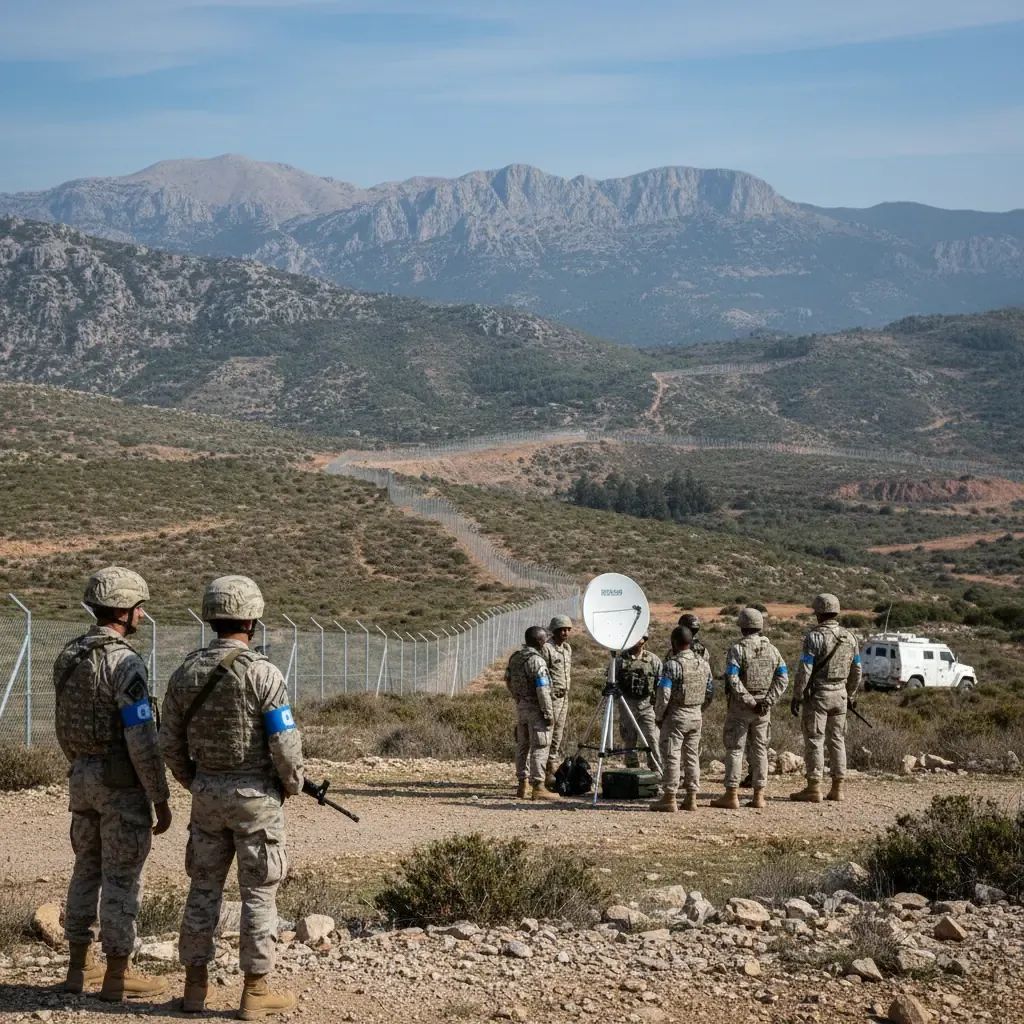
NATO plans to gradually reduce its 4,600-strong peacekeeping force in Kosovo over the coming year, citing improved security conditions—a move that shifts greater responsibility onto local institutions and tests the region's fragile stability.
The drawdown, announced by General Alexus G. Grynkewich, Supreme Allied Commander Europe, marks a significant shift for the KFOR mission that has maintained order in Kosovo since 1999. The reduction will unfold through normal troop rotation cycles, but NATO has made clear the process can be halted or reversed if violence resurfaces.
Why This Matters
• Italy contributes to KFOR, one of the largest national contingents among European allies—any reduction may involve Italian personnel and defense budgets.
• Security gains remain reversible: NATO admits the drawdown is "conditions-based," meaning renewed ethnic tensions could trigger rapid redeployment.
• Local forces will shoulder more responsibility, raising questions about whether Kosovo's police and security institutions are truly ready.
• The United States has expressed interest in reducing its force levels, according to NATO discussions, reflecting Washington's broader strategic priorities across multiple theaters.
Context: Kosovo's Complex Security Landscape
Kosovo declared independence from Serbia in 2008, but Belgrade has never recognized the breakaway state. The Serbian-majority municipalities in northern Kosovo remain sensitive flashpoints in the broader dialogue between Pristina and Belgrade, which the European Union has facilitated for years, though with sporadic breakthroughs.
Recent political developments offer grounds for cautious optimism about regional stability. Electoral participation across ethnic lines and ongoing EU-mediated dialogue suggest a degree of normalization, though underlying tensions persist between ethnic Albanians and Serbs, particularly in northern regions where Serbs form the majority.
What This Means for Italy and European Allies
Italy has maintained a steady military presence in Kosovo for more than two decades, contributing personnel, logistics, and funding to the KFOR mission. Any reduction in KFOR's footprint will likely involve proportional adjustments across contributing nations, including Italian forces currently stationed in the region.
For European governments, the drawdown represents both an opportunity and a risk. On one hand, it frees up troops and budgets for other priorities—Ukraine, the Sahel, and NATO's eastern flank all demand resources. On the other, it transfers security responsibilities to Kosovo's police and the EU Rule of Law Mission (EULEX), institutions that have shown uneven capacity and remain subject to political pressures.
Diplomatically, the move reflects Washington's expectation that European allies shoulder more regional security burdens. With U.S. force levels set to decrease, European capitals—especially Rome, Berlin, and Paris—will need to decide whether to maintain current commitment levels or accept a lighter NATO footprint altogether.
Fragile Stability and External Pressures
While NATO emphasizes improved security conditions, the situation remains delicate. Tensions between ethnic Albanians and Serbs persist, particularly in northern regions. Belgrade's refusal to recognize Kosovo complicates cross-border issues and continues to influence regional dynamics.
Serbia has also embarked on a military modernization program, acquiring advanced weaponry and expanding its armed forces—a development that raises concerns in Pristina and among Western analysts. Some interpret this as hedging against NATO expansion and Kosovo's alignment with Western security structures.
External actors add another layer of complexity. Russia and China maintain influence in the Balkans, often aligned in their efforts to counter Western institutions. A reduced NATO presence could be perceived as wavering commitment, potentially emboldening actors who seek to exploit ethnic and political divisions.
How the Drawdown Will Unfold
NATO has not disclosed the exact number of troops to be withdrawn, nor specified which national contingents will shrink. The alliance emphasized that reductions will be "calibrated and gradual," tied to ongoing assessments of conditions on the ground.
For nations like Italy, the United States, Germany, and Turkey—all major KFOR contributors—the coming months will involve coordination with allied headquarters and domestic defense ministries regarding force level adjustments.
KFOR currently operates in close coordination with Kosovo Police and EULEX, the EU's rule-of-law mission. As NATO scales back, these institutions will need to demonstrate they can maintain order independently—especially in northern Kosovo, where local Serb communities remain wary of Pristina's authority.
Long-Term Questions for the Region
The drawdown raises broader questions about Kosovo's trajectory. While security has improved, the rule of law remains weak, according to EU assessments. Corruption, organized crime, and political gridlock have slowed reforms and delayed access to European Union funding.
Economic stagnation continues to fuel crime and emigration. Youth unemployment remains high, and the lack of investment in infrastructure and education constrains long-term development. Without tangible economic progress, security gains may prove temporary.
The EU accession process offers Kosovo a path toward integration, but progress has been limited. Normalized relations with Serbia are a prerequisite for membership, and both Pristina and Belgrade have faced difficult decisions regarding the compromises required for progress.
For Italy and other European nations with troops in Kosovo, the next year will be a test: Can local institutions maintain stability without heavy NATO support? And if not, will the alliance have the political will—and the military capacity—to reverse course quickly enough to prevent renewed instability?
NATO insists it retains the flexibility to adjust. But in a region where ethnic grievances run deep and external powers look for openings, even a carefully managed drawdown carries risks that extend well beyond troop numbers.


