
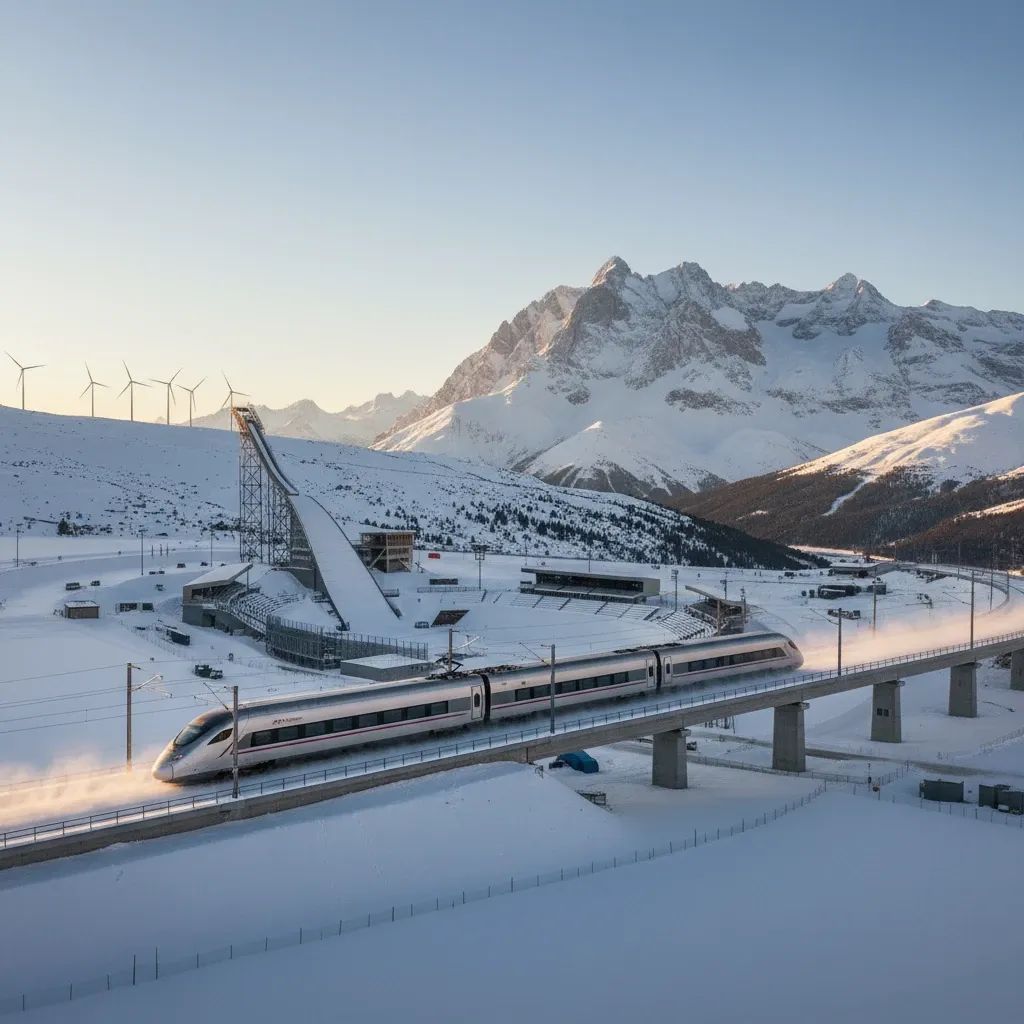
The International Olympic Committee (IOC) has flown more than 300 planners of future Games into Lombardy and Veneto, a move that will turn Milano-Cortina 2026 into a live-action classroom—and will expose every Italian contract, train schedule and snow cannon to global inspection.
Why This Matters
• Extra eyes on the budget – visiting experts will file reports that could reinforce discipline on public spending.
• Early traffic simulations – road closures tested this month may foreshadow routes Italians will face in January 2026.
• Tourism windfall arrives early – hotels from Milano to Cortina d’Ampezzo are pocketing three weeks of full occupancy now, not just during the Games.
• Sustainability blueprint – the crews are stress-testing Italy’s promise of 100% renewable power and 92% existing venues.
A Three-Week Crash Course in Real-World Olympism
For 21 days the IOC Observer Programme has packed 78 hands-on sessions into five themed tracks: sport operations, venue management, transport, technology, stakeholder services. Delegations from LA28, French Alps 2030, Brisbane 2032 and Utah 2034 rotate between briefings, round-tables, venue walk-throughs and live competitions. The idea is simple: see the pipes—not the PowerPoints. Gavin McAlpine, the IOC’s delivery chief, says the setup lets future hosts watch decision-making under pressure, not a curated slide deck. That means they sit in control rooms when a ski-lift stalls or follow a referee shuttle through Galleria Vittorio Emanuele’s lunchtime gridlock.
The Sustainability Playbook on Display
Milano-Cortina is marketing itself as the low-impact Games: 92% existing or temporary facilities, 100% certified green electricity, and biocarburant generators where wires cannot reach. Delegates are photographing waste-sorting stations, peeking at the software that redirects surplus meals to charities, and interrogating suppliers on HVO fuel pricing. The circular-economy agenda includes re-using 24,000 tables, benches and laptops inherited from Paris 2024, while the Porta Romana athletes’ village is already pre-wired to become student housing. Alpine mayors are pitching this model as an antidote to the infamous “white elephants” left by past Olympics.
Knowledge Transfer: What Delegates Are Picking Up
The 40-strong French Alps cohort treats the trip as its final exam before 2030. They are clocking athlete flow timing, radio protocols between rail operators and snow-plough crews, and the mathematics of spectator queuing inside century-old Milanese metro stations. The Utah contingent is fixated on how Italy balances national police, local ‘carabinieri’ and private stewards in the same security perimeter. Meanwhile the Brisbane team—planning a summer Games—studies broadcast fibre routes that snake through historic buildings without visible drilling, a headache they share with heritage-listed stadiums on the Brisbane River.
What This Means for Residents
Expect a series of small but noticeable trials over the next 18 months:
Road diversions around Cortina and Bormio during regional World Cup races so organisers can test bus frequencies.
Volunteer recruitment drives in universities starting this autumn—fluency in English, French or Mandarin could score you a front-row accreditation.
Energy rebates: regional authorities are negotiating discounts for homes that shift consumption to off-peak hours, a side-effect of the Games’ 100% renewable pledge.
Short-term rental rules: Lombardy is drafting occupancy caps aimed at preventing an AirBnB surge that would squeeze local tenants.
If you live along the Verona–Brenner rail corridor, be ready for earlier-than-usual snow season tourist waves—delegates are already tweeting selfies that double as free advertising for the Dolomites.
The Numbers Behind the Visits
• 305 total participants, up from 240 at Beijing 2022.
• 40 for French Alps 2030, a record winter observer team.
• 5 learning streams, each capped at 70 seats to keep sessions interactive.
• 11 nationalities represented, from Australia to Monaco.
• 15M€ estimated spend in hotel nights, catering and shuttle contracts during the three-week stay, according to the Italy Convention Bureau.
Anti-Doping Watchdogs Join the Drill
Parallel to the planners, the World Anti-Doping Agency (WADA) has named its Independent Observer squad for 2026. They are shadowing sample-collection drills and database audits this week, determined to certify that Milano-Cortina can process thousands of tests without shipping blood across borders.
Next Milestones on the Road to 2026
The Italy Organising Committee will publish its updated venue masterplan in June, followed by a ticket-pricing framework before Christmas. The IOC will return with a smaller “Delivery Partner Meeting” in early 2025. By then, many of the lessons scribbled in notebooks this month should be visible in concrete, cables and freshly trained staff.
For now, the extra eyes roaming through San Siro, Livigno and the Passo dello Stelvio are not a burden—they are Italy’s insurance policy that the world’s largest winter party arrives on time, on budget and, crucially, on the right side of history’s carbon ledger.


