
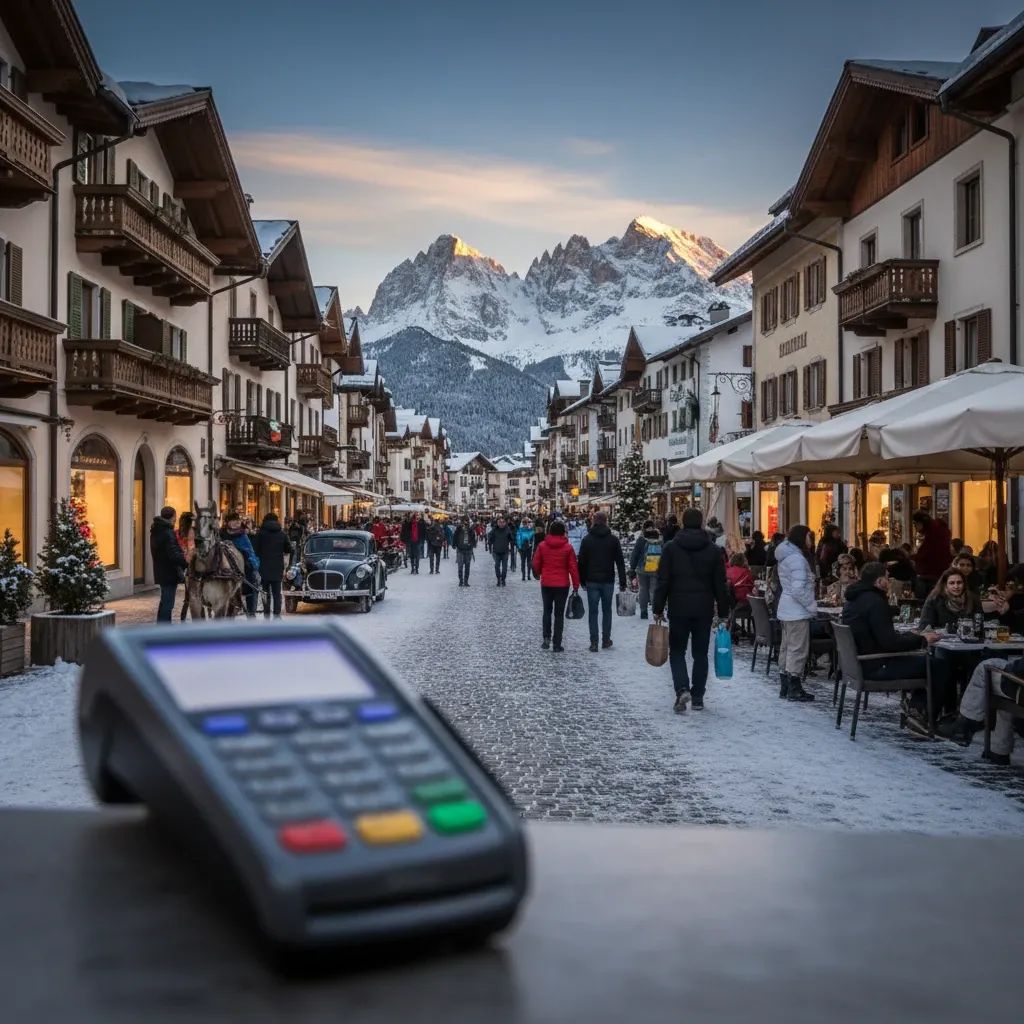
Visa Europe has logged a 60% surge in non-EU visitors tapping their cards across Northern Italy during the first weekend of the Milano-Cortina 2026 Winter Games, a revenue windfall already filtering into local tills— and, by extension, municipal budgets.
Why This Matters
• Immediate cash boost: Retailers from Cortina’s ski-in apparel shops to Milan’s luxury arcades saw an 80% spike in sales versus the same weekend in 2025.
• Price pressure ahead: Hotel rates in Olympic zones are up to 162% higher than last year; prepare for steeper restaurant and transport bills through March.
• Job market momentum: Economic consultancies forecast 38,000 short-term hires, especially in hospitality, logistics and event services.
• Legacy projects: Roughly €3 B in infrastructure upgrades—from rail lines to broadband—will stay long after the cauldron is extinguished.
Spending Spike Seen Through VisaNet
The Italy unit of Visa parsed millions of anonymised swipes to build a real-time heat map of visitor spending. Its VisaNet dashboard shows:
• 60% more transactions from non-EU cards across Lombardy, Veneto and Trentino-Alto Adige.
• An 80% jump in till receipts inside the host provinces compared with the same 2025 weekend.
• US cardholders were the single biggest cohort, while Chinese, Brazilian, Canadian and Japanese fans posted the fastest percentage growth.
• Money funnelled mainly into fashion boutiques, sports-gear outlets, restaurants, ride-hailing apps and regional train tickets.These figures arrive before any ISTAT release, offering the first hard evidence that the Games are turning foot traffic into taxable turnover.
Tourism Wave Larger Than Forecast
Updated modelling by Banca Ifis and Unimpresa now pegs the total tourism take at €1.1 B during the fortnight, with another €1.2-1.4 B in follow-on trips over the next 24 months. Flight-booking engines report a burst of US and German arrivals, while mountain municipalities already clock a 28% rise in overnight stays on last season. Confcommercio meanwhile expects hotel occupancy near 81% for 3- to 5-star properties inside Milan’s 4.5 km ring road.
Jobs, Wages and Prices: Who Gains, Who Worries
Event organisers say preparations, operations and dismantling will create up to 38,000 contracts, many short-term but paying above the regional service-sector average. Yet residents in Cortina and the Valtellina complain of rent inflation and seasonal staff shortages, as landlords pivot to lucrative tourist lets. Restaurant owners welcome fuller dining rooms but warn of supply-chain mark-ups on imported foodstuffs, already lifted by global freight costs.
Lessons from PyeongChang and Sochi
Economists routinely contrast Olympic legacies. PyeongChang 2018 turned heavy rail spending into lasting domestic tourism, while Sochi 2014 remains a cautionary tale of over-building and public debt. By re-using existing arenas and splitting venues between regions, Milano-Cortina’s €5-6 B budget is designed to dodge the “white-elephant” trap. The bulk of capital—about €3 B—goes to transport links that northern commuters will use daily once the circus leaves town.
What This Means for Residents
Expect busier high streets through at least Easter; plan errands outside peak spectator hours.
Review energy and waste bills: city halls are funding part of the Games via utility surcharges already embedded in some municipal statements.
Landlords face scrutiny: short-let platforms are under watch; exceeding local cap rules may invite hefty fines.
Jobseekers: hospitality temp agencies are still hiring bilingual staff; contracts often run until the Paralympics wrap mid-March.
What Businesses Can Do Now
• Bundle services: cafés pairing breakfast with ski-shuttle tickets report higher margins.
• Enable frictionless payments: Visa’s figures underline how contactless and mobile wallets dominate foreign spend; slow POS terminals cost sales.
• Leverage “Fuori Olimpiadi” nights: Confcommercio data suggests pop-up cultural events can extend visitor stays by 1.3 nights on average.
• Plan for the shoulder season: secure supplier discounts for April-May when demand dips, cushioning against post-Games fatigue.
From the card reader to the regional GDP tables, early numbers confirm that global sports spectacles still move real money—provided local actors stay nimble enough to capture, and keep, the flow.


