
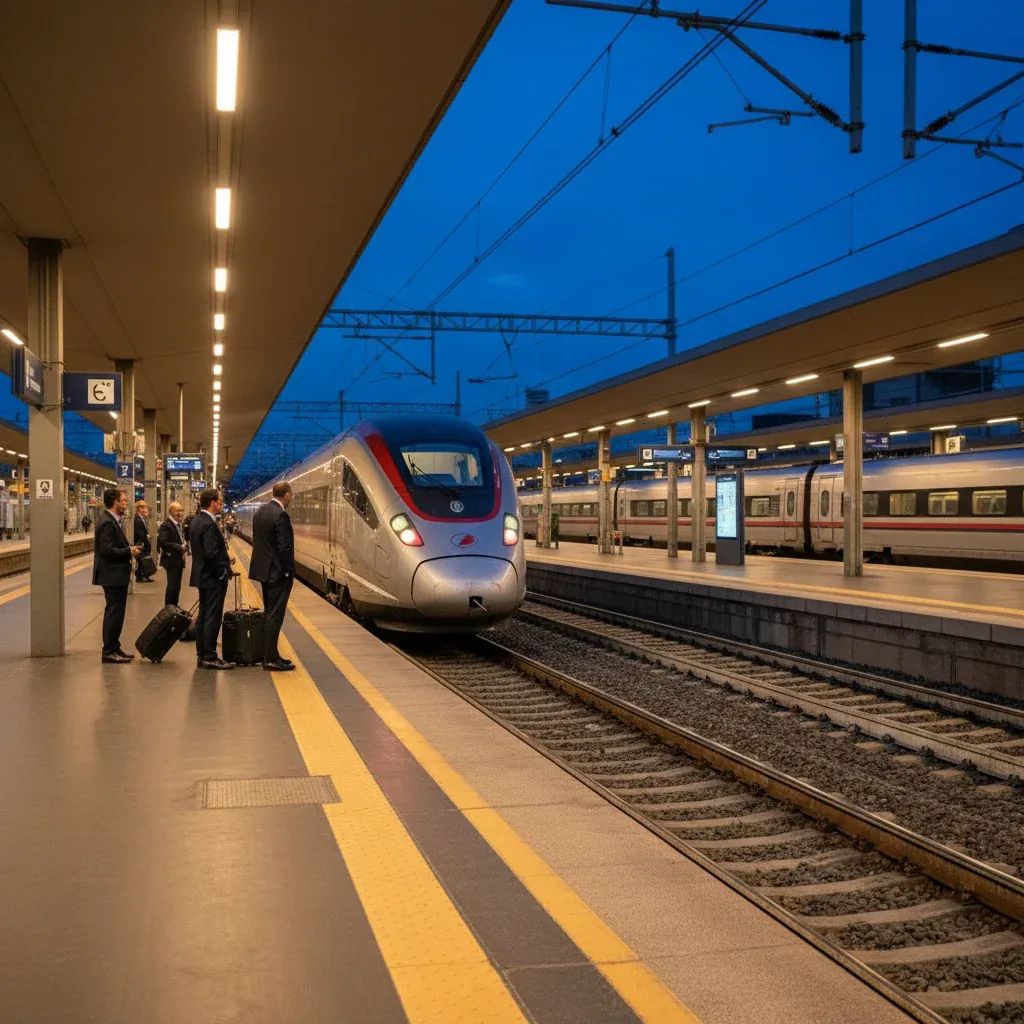
Trenitalia, the state rail operator owned by Italy Ferrovie dello Stato (FS) Group, has confirmed that more than 33 million passengers traveled on its network throughout summer 2025, underscoring the train's status as the backbone of domestic tourism despite ongoing infrastructure challenges that continue to test capacity limits.
Key Developments This Summer
Summer 2025 brings both expansion and disruption for Italy's rail network. The first direct Lecce-Naples Frecciarossa service launches this season, while the Intercity network adds stops at smaller coastal destinations including Polignano a Mare, Tropea, and Paestum. Simultaneously, major track modernization—particularly on the Florence-Rome high-speed corridor from August 10-28—will extend journey times by 30 to 60 minutes and require rerouting during peak travel weeks.
Bookings to popular destinations have surged. Riccione saw a 511% increase in reservations compared to spring 2025, while the Adriatic seaboard—particularly Lecce, Brindisi, Rimini, and Riccione—dominated demand. Travelers also favored northern Adriatic resorts including Pescara, Termoli, and Vasto, with parallel demand on the Tyrrhenian coast in Calabria and Campania.
Network Capacity and New Routes
To accommodate seasonal demand, Trenitalia deployed its Alta Velocità (AV) high-speed fleet at full capacity, making available more than 130,000 seats daily across upward of 150 destinations. The operator runs approximately 6,500 trains per day during peak summer, spanning regional, high-speed Frecce, Intercity, and cross-border Eurocity services.
The new direct Frecciarossa linking Lecce and Naples eliminates Rome transfers and reduces journey time significantly. The Intercity expansion adds service to beach towns and smaller resorts: Diamante, Tropea, and Paestum on the Tyrrhenian coast; Polignano a Mare in Apulia; Orbetello in Tuscany; Carrara for marble-country access; Cattolica on the Adriatic Riviera; and Ligurian coastal stops including Monterosso—gateway to Cinque Terre National Park. This strategy disperses tourist flows and provides car-free access to destinations historically requiring buses or rental vehicles.
What Residents and Travelers Should Know
For those planning August travel, several practical considerations apply:
Track closures and delays: Rete Ferroviaria Italiana (RFI), the infrastructure arm of FS, has scheduled major maintenance on the Florence-Rome high-speed corridor from August 10-28, with shorter works on the Milan-Bologna line from August 10-17. High-speed trains will use conventional tracks during these periods, adding 30 to 60 minutes to typical journey times. Travelers on affected routes should check Trenitalia's live-update channels and the Trenitalia mobile app before departing and allow additional time for connections.
Overcrowding: Popular Friday and Saturday departures, particularly to coastal destinations, routinely fill second-class carriages to standing-room capacity. Booking mid-week trips and reserving seats in advance can improve comfort.
Real-time updates: Trenitalia operates "critical rooms" at major stations with dedicated personnel to coordinate real-time passenger information, bus substitutions, and alternative routing. Updates are available via the Trenitalia app and official social media channels.
Intermodal connections: For destinations beyond the rail network, FrecciaLink bus shuttles connect high-speed stations to smaller towns, while AirLink services bridge airports and city centers.
Infrastructure and Operational Challenges
Beyond scheduled maintenance, summer operations face recurring pressures. Technical faults, lineside incidents, and copper-cable theft on secondary lines can force last-minute cancellations. Major junctions like Florence's Santa Maria Novella station act as critical chokepoints: even minor delays there ripple across the Milan-Rome-Naples axis, affecting tens of thousands of passengers. During maintenance windows, reduced throughput at such junctions can turn minor disruptions into multi-hour delays.
Sustainability and Tourism Strategy
Trenitalia has expanded intermodal packages to support sustainable tourism. The Italy Ministry of Infrastructure and Transport continues promoting rail-based travel through its "Piano Straordinario per la Mobilità Turistica", prioritizing accessibility, digital integration, and low-emission transport modes. This aligns with broader efforts to disperse tourist flows and reduce pressure on popular destinations.
Looking Ahead
Summer 2025 balances network expansion with infrastructure modernization. New routes and stops broaden the network's geographic reach, while simultaneous track upgrades ensure disruption during peak season.
For residents planning getaways, tactical advice includes: booking early to secure lower fares, choosing mid-week departures to avoid crowds, and consulting Trenitalia's live-update channels before travel. Those traveling on the Florence-Rome corridor during August 10-28 should budget extra time and consider alternate routing via Bologna or the coastal line.
Italy's rail network remains central to domestic tourism and daily mobility for millions, with summer 2025 serving as a barometer for balancing passenger demand and infrastructure investment.


