
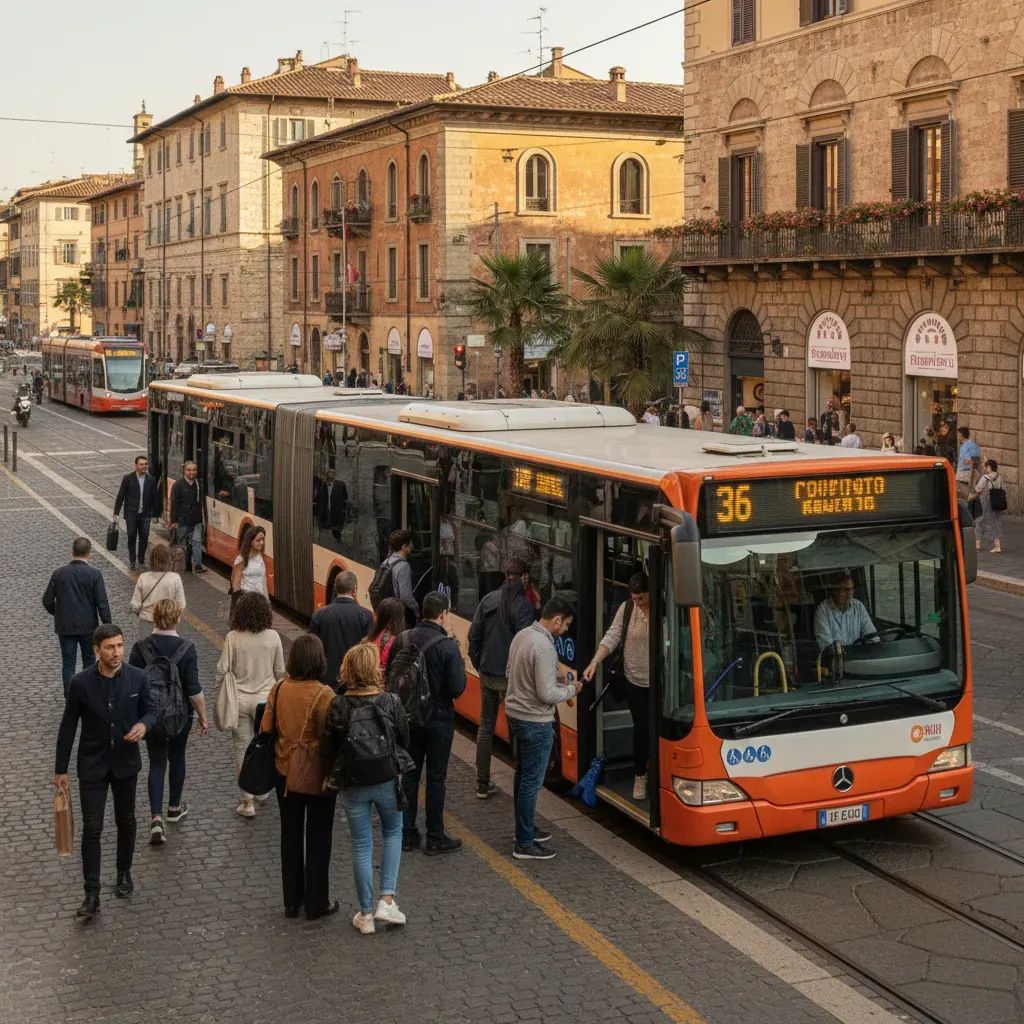
Italy's public transit operators are sounding an alarm over fuel cost pressures linked to Middle Eastern supply concerns, warning that without urgent government relief, service cuts could follow.
The Crisis in Numbers
According to Agens, the Confindustria-affiliated transport employers' association, the fuel surcharge has created a significant burden for operators:
• Diesel surcharges add approximately €0.54 million daily in extra costs across the sector
• This translates to roughly €200 million annually for state-contracted local public transit (TPL) fleets alone
• When commercial coach operators—which represent a substantial portion of Italy's passenger-vehicle fleet—are included, total exposure climbs to over €400 million
The underlying issue stems from Middle Eastern tensions affecting oil and natural gas supplies, creating price volatility that has cascading effects across Italy's transport network.
The Funding Problem
Beyond immediate fuel costs, Italy's transport sector faces a structural funding challenge. The National Transport Fund, which subsidizes regional bus and rail services, has not kept pace with inflation over the past decade and a half. As a result, its real purchasing power has eroded significantly, leaving operators with insufficient resources to absorb fuel cost spikes.
Additionally, operators report delays in receiving expected cash disbursements from the fund, further straining their ability to maintain service levels. Regional authorities have had to deploy temporary financing measures to prevent disruptions.
The Request: Tax Relief Parity
Agens, alongside sister associations Anav (coach operators) and Asstra (municipal transit agencies), is pressing the Italy Ministry of Economy and Finance to extend the temporary energy-cost tax credit to passenger-transport operators. This relief measure is currently available to freight hauliers, farmers, and fisheries sectors.
"We are asking for equal treatment," Agens argued in testimony to the Senate Finance Committee. "Other sectors have been buffered; the TPL cannot be left to absorb a €400 million shock alone."
The credit would help offset fuel and energy expenses, mirroring relief granted during previous price spikes, and would bring passenger transport in line with support already provided to competing sectors.
What This Means for Commuters
Unlike airlines or freight operators, transit companies cannot easily raise fares to cover rising fuel bills. Passenger fares are capped by government contracts, and any increase requires regional political approval—unlikely when households are already squeezed by inflation.
If Rome does not approve the tax credit and ensure timely fund disbursements, transit authorities may be forced to trim timetables, particularly on less-trafficked routes, or reduce service frequency. This would lengthen commutes, limit weekend travel options, and widen the existing urban-rural service divide.
For expatriates and long-term residents relying on regional trains, metro lines, and intercity coaches, the immediate risk is service uncertainty and potential disruptions to travel patterns.
Next Steps
Whether the Italy Senate Finance Committee and the Italy Cabinet approve a TPL-specific energy tax credit remains unclear. The government has not yet publicly committed to extending the measure, and budget constraints limit available options.
The outcome will largely depend on whether policymakers prioritize maintaining public transit access alongside fiscal sustainability. For now, transit operators remain caught between non-negotiable fuel costs and fixed revenue ceilings, with outdated subsidy formulas offering insufficient cushion against the current crisis.


