
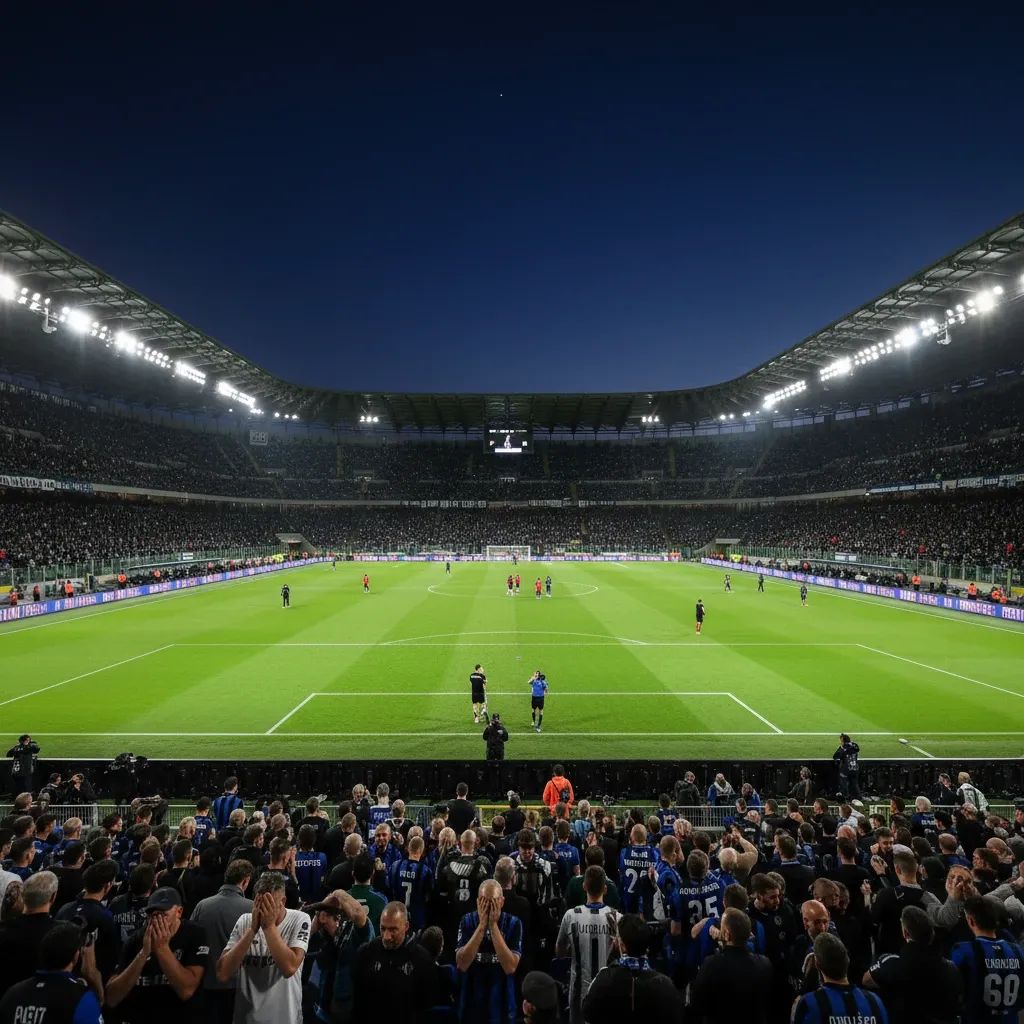
Italy's public transport sector faces an existential cash crisis as diesel prices surge +21% since the Middle East conflict began, threatening widespread service cuts unless Rome intervenes with sector-specific financial relief. Meanwhile, four Italian airports now ration jet fuel, with travel operators warning the summer season hangs in the balance.
Why This Matters:
• Bus and coach services carrying 7 billion passengers annually could face disruption; the sector bleeds €40M monthly in extra fuel costs.
• Bologna, Linate, Treviso, and Venezia airports restrict refueling through April 9, prioritizing emergency and long-haul flights.
• Package holiday costs poised to climb further as jet fuel prices spike and the euro weakens to 1.15 against the dollar.
• Government fuel tax cuts end May 1, yet commercial diesel used by buses is exempt, leaving operators exposed.
The Ground Transport Squeeze
Italy's bus and coach operators are sounding the alarm with unusual urgency. Three major industry bodies—Anav, Asstra, and Agens—jointly declared this week that the absence of targeted support in the government's second fuel emergency decree leaves the entire passenger road transport network vulnerable to collapse.
Diesel prices currently stand +21% above pre-conflict levels, a jump that translates to €40M in additional monthly costs across the sector, or nearly €500M annualized. For an industry where fuel ranks as the second-largest expense after wages—accounting for roughly 20% of operating budgets—the margin for absorption is exhausted.
The temporary 25-cent excise cut Rome extended through May 1 offers no relief to these operators. Public bus companies and long-distance coach services rely on commercial diesel, which carries a reduced excise rate and thus falls outside the consumer-focused subsidy. The industry groups are now demanding the same tax credit mechanism recently granted to freight hauliers: a compensatory payment for fuel costs above baseline levels established when the pricing surge accelerated.
"Collective transport becomes even more essential to mitigate fuel price surges for households and guarantee accessible mobility for all," the associations stated, framing the issue as both a business crisis and a public service imperative. Without intervention, they warn, service contracts become economically unviable, forcing route cuts or fare increases that would ripple through communities dependent on affordable mobility.
Aviation on Ration
A separate but equally acute crisis grips Italian aviation. Air BP Italia notified airlines this week of contingent fuel allocation at four hubs: Bologna, Milano Linate, Treviso, and Venezia. The restrictions, effective through April 9, establish a priority hierarchy: medical flights, state aircraft, and routes exceeding three hours receive preference, while shorter commercial services face capped refueling.
Pierluigi Di Palma, president of Italy's civil aviation authority Enac, attributes the immediate bottleneck to Easter's concentrated traffic rather than the Strait of Hormuz blockade. Yet Ryanair paints a grimmer medium-term picture, confirming its suppliers can guarantee fuel only through mid-to-late May. Should the Middle East conflict extend into June without diplomatic resolution, the Irish carrier anticipates supply risks at multiple European airports.
The underlying vulnerability is structural. According to the International Air Transport Association (IATA), Europe imports 30% of its jet fuel requirements, a dependency that has deepened as domestic refining capacity shrinks. The Hormuz closure blocks the primary route for Gulf-refined products, forcing tankers on lengthy detours around Africa—if they sail at all. The last pre-blockade shipments are expected to dock at European ports around April 9-10, after which the continent's aviation fuel inventory enters uncharted territory.
Italy's Save Group, which manages Venezia, Treviso, and Verona airports, notes that multiple suppliers serve these hubs and has maintained operational continuity despite the constraints at other facilities.
The Price Spiral
Fuel markets are pricing in scarcity and geopolitical risk simultaneously. Jet fuel prices have surged significantly in response to supply concerns, according to IATA monitoring. The Argus US Jet Fuel Index registered elevated levels as of late March. Energy analysts project that if the Hormuz blockade extends, global fuel prices could experience substantial further increases.
For Italy-based tour operators and travel agencies, the pain is compounded by currency headwinds. The euro hovers around 1.15 to the dollar, magnifying dollar-denominated fuel purchases. Gianni Rebecchi, president of Assoviaggi Confesercenti, describes a "double penalty" crushing the organized tourism sector: elevated fuel plus a strong dollar.
"Travel agencies and tour operators cannot be expected to absorb indefinitely shocks of international origin," Rebecchi told reporters, calling for monitoring systems and compensation instruments to prevent the burden from falling entirely on businesses and consumers. His association warns of demand contraction and a weakened tourism supply chain unless Rome establishes a stable policy framework.
Airlines are already telegraphing fare increases. Budget carriers, which operate on razor-thin margins, face an even starker calculus: absorb losses, cut capacity, or pass costs to passengers during peak summer travel.
What This Means for Residents
If you live in Italy, the fuel crisis translates into concrete disruptions and higher costs across daily life and planned travel:
Public transport users should prepare for possible service reductions or fare hikes if bus operators don't receive financial support before the May 1 excise deadline. Regional and municipal routes, already financially strained, have the least cushion to absorb cost overruns. The national Bonus Trasporti 2026—a tax deduction covering 19% of public transport pass costs—offers partial relief but does nothing to stabilize operator budgets.
Air travelers face a cascade of complications. Flights departing Bologna, Linate, Treviso, or Venezia through April 9 may experience last-minute changes if fuel allocation proves insufficient. Priority goes to medical, state, and long-haul operations, meaning short domestic or European hops risk delay or cancellation. For summer bookings, experts recommend purchasing trip insurance, though this adds another layer of expense. Under EU law, fuel shortages qualify as extraordinary circumstances, exempting airlines from the standard €600 compensation for cancellations—passengers are entitled to rebooking or refunds, but not damages.
Package holidays will see price increases, particularly for beach destinations requiring air travel. Tour operators are already adjusting summer catalogs to reflect higher transport costs. Families planning July or August trips should budget for increased costs compared to previous years, with coastal and island destinations facing steeper premiums.
Road users continue to pay elevated pump prices despite the temporary excise cut. Diesel now exceeds €2.10/liter at many stations, prompting consumer groups to allege speculative pricing. The Codacons consumer association has calculated that Easter travel is expected to cost Italian households significantly more than last year due to fuel inflation.
Government Under Pressure
Prime Minister Giorgia Meloni's surprise tour of Gulf states this week—a diplomatic sprint seeking alternative energy supplies—has drawn mixed reactions. Supporters frame it as pragmatic crisis management; critics call it theatrical distraction from domestic policy failures. Meloni is scheduled to deliver an informativa (non-binding parliamentary briefing) to the Chamber at 9 a.m. and the Senate at noon on Thursday, her first such appearance in months despite repeated opposition requests.
The transport and tourism lobbies want concrete outcomes, not photo opportunities. They are pressing for an extension of the freight hauler tax credit to passenger carriers, a mechanism that would reimburse fuel costs above baseline levels through a fund usable via the F24 tax form. The credit is designed to be cumulative with other incentives, provided total aid doesn't exceed actual expenses.
Some EU partners are adopting more aggressive measures. Slovenia has imposed fuel rationing: 50 liters daily for private buyers, 200 for commercial. Spain deployed a €5B aid package through June 30. Austria is weighing temporary excise reductions. Brussels energy commissioner Dan Jørgensen has urged member states to consider austerity measures: expanded public transit, remote work mandates, speed limit reductions, and restrictions on non-essential travel.
Italy's strategy so far relies on excise cuts expiring in three weeks and a freight-only tax credit. Industry groups argue this patchwork approach leaves critical gaps, particularly for public service operators locked into fixed-price contracts that predate the fuel surge. Without budget adjustments, municipalities and regional governments face the choice of injecting scarce funds or watching service quality erode.
Outlook and Uncertainty
The trajectory of this crisis hinges entirely on Middle East diplomacy. If the Hormuz blockade lifts by late April, European fuel supplies can gradually normalize, though elevated prices and supply-chain premiums will persist for months. A prolonged closure into May or June triggers a different scenario: widespread flight cancellations, possible fuel rationing beyond airports, and severe economic drag on tourism, logistics, and consumer spending.
Italy enters peak travel season with the lowest strategic reserves since the 2022 energy shock. Theoretical calculations suggest significant jet fuel coverage based on commercial stocks, but that assumes unchanged consumption—an unrealistic premise if airlines curtail schedules. Ground transport faces no such strategic reserve; bus operators purchase fuel on the spot market and are fully exposed to price volatility.
For now, the government's position is reactive: temporary excise relief, sector-specific credits under debate, and diplomatic outreach to secure supply agreements. Whether that proves sufficient depends on variables Rome cannot control—military developments in the Gulf, global tanker capacity, and the willingness of alternative suppliers to redirect exports toward Europe at scale.
Residents should plan for continued uncertainty through at least the summer months. Monitor airline and bus operator announcements closely, build flexibility into travel plans where possible, and anticipate that mobility—by road or air—will cost more than it did six months ago.


