
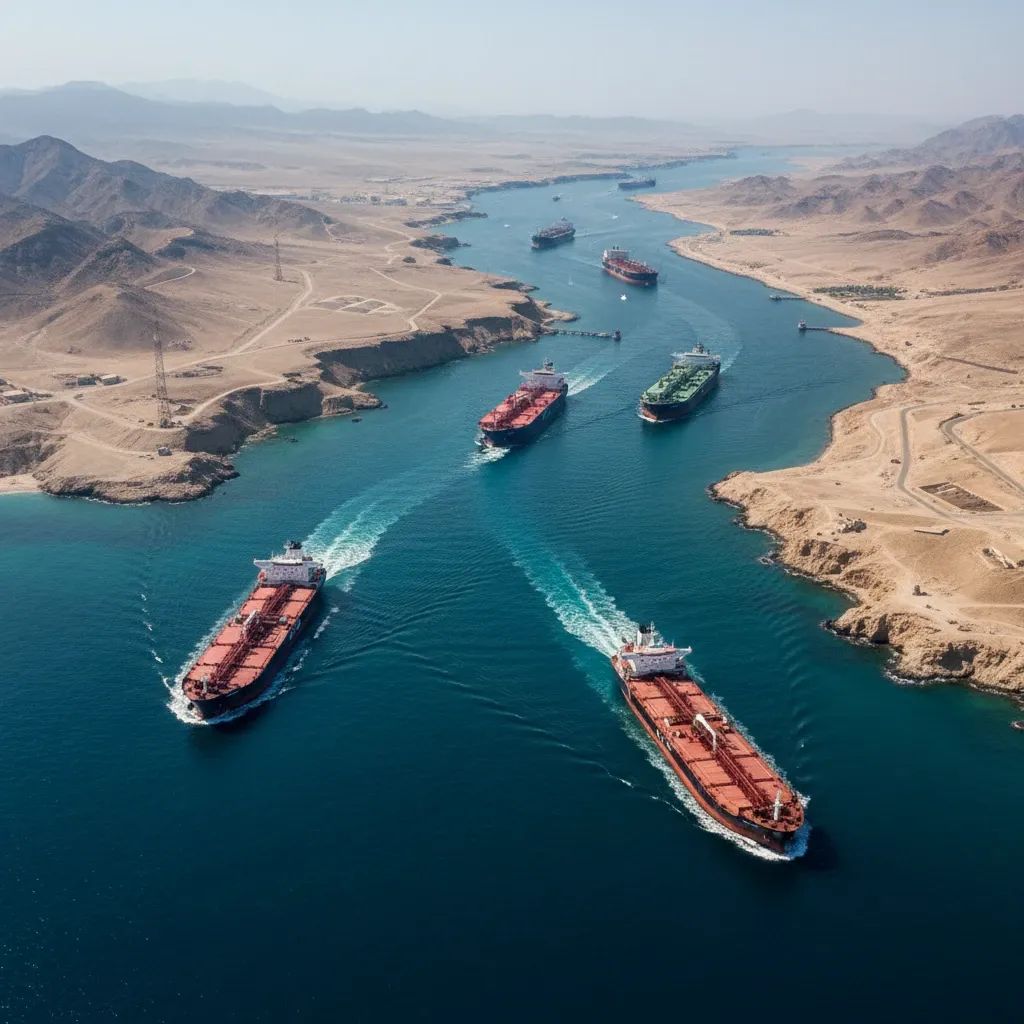
The Italian government has signaled its readiness to deploy naval forces to the Strait of Hormuz for an international mine-clearing operation, but participation hinges on a 60-day evaluation period and several key preconditions—including a durable ceasefire, Iranian consent, and parliamentary approval.
Why This Matters:
• Energy security: The Strait of Hormuz is a critical shipping route for oil and natural gas supplies essential to Italy's energy needs and economic stability.
• Military commitment: Italy is considering deploying naval minesweepers currently stationed in Djibouti as part of Operation Aspides, the EU mission in the Red Sea.
• Political timeline: Parliamentary authorization will be sought only after the framework for the operation is clearly defined and international conditions are met.
• International coalition: The United Kingdom, France, and Germany have likewise expressed commitment to participating in demining efforts in the region.
A Conditional Commitment
Speaking at the G7 summit in Evian-les-Bains, Prime Minister Giorgia Meloni outlined a cautious approach. She explained that parliamentary authorization for deployment will be sought "when the mission is something realistic," and that Italy's participation depends on clear, defined operational parameters and full domestic political consensus.
Defense Minister Guido Crosetto and Foreign Minister Antonio Tajani have emphasized the importance of maintaining freedom of navigation through Hormuz—a critical chokepoint that directly affects Italy's energy costs and commercial shipping. The government's position is clear: Italy will contribute, but only within a multilateral framework with explicit mandates and parliamentary approval.
The Strait's Strategic Importance
The Strait of Hormuz, a 21-mile-wide channel between Iran and Oman, is a vital waterway for global energy trade. Recent regional tensions have raised concerns about maritime security and the free passage of commercial vessels through the strait. International efforts to maintain open shipping lanes and ensure safe navigation are ongoing.
An international accord is being negotiated to address regional tensions and establish conditions for stable maritime operations. Italy, alongside European partners, has indicated it would participate in coordinated demining and security efforts contingent on clear international agreements and verified compliance with ceasefire terms.
What This Means for Italy
For residents and businesses, the stability of the Hormuz shipping corridor directly affects energy prices and the cost of fuel. A secure, predictable transit route would support stable energy supplies and help maintain reasonable fuel costs for Italian consumers and industrial users.
Italian commercial shipping and trade depend on reliable access to global energy markets. Ensuring open passage through critical international waterways is essential to Italy's economic interests and broader European energy security.
The mission's budget and specific operational details have not yet been disclosed, pending parliamentary review. Opposition lawmakers are seeking transparency on costs, legal authority, rules of engagement, and the overall scope of any deployment.
Naval Capabilities and Readiness
The Italian Navy maintains minesweeping vessels with advanced capabilities currently deployed as part of international operations. These assets are equipped with modern detection and neutralization technologies suitable for demining operations. Any deployment to the Strait of Hormuz would involve coordination with European partners and established naval logistics networks already supporting Italian military operations in the region.
The timeframe for mine-clearing operations in contested waters typically requires sustained effort over several months, depending on the extent of ordnance that needs to be addressed.
Parliamentary and Political Considerations
The Italian Parliament must authorize any new military deployment, and the decision is expected to involve careful debate. While the government's center-right coalition has expressed support for international security commitments, opposition parties have raised important questions.
The Five Star Movement (M5S) has indicated it would support such missions only with explicit international mandates and Iranian consent. Other parliamentary groups have emphasized the need for clarity on command structures, legal authority, and protections for Italian personnel.
The Democratic Party (PD) has called for strengthening multilateral institutions and reminded the government that Italy's commitment to peace and international law, as enshrined in the Constitution, must guide any military engagement.
International Cooperation and Precedent
Italy has a long history of participating in international naval operations, including peacekeeping and security missions across multiple regions. The country's involvement in coordinated international efforts reflects its commitment to maritime security and regional stability.
The Evaluation Period Ahead
The 60-day evaluation window Meloni referenced will be critical for clarifying the mission's parameters. If international conditions stabilize and operational details are finalized, the government will likely present a parliamentary resolution for formal authorization. The debate will focus on legal authority, cost transparency, and the strategic importance of Italy's participation.
For now, Italy's naval assets remain available for deployment pending parliamentary approval and confirmation of operational readiness. The outcome will depend on whether international conditions support a coordinated demining mission and whether Italy's Parliament judges the strategic and economic benefits sufficient to warrant participation.


