
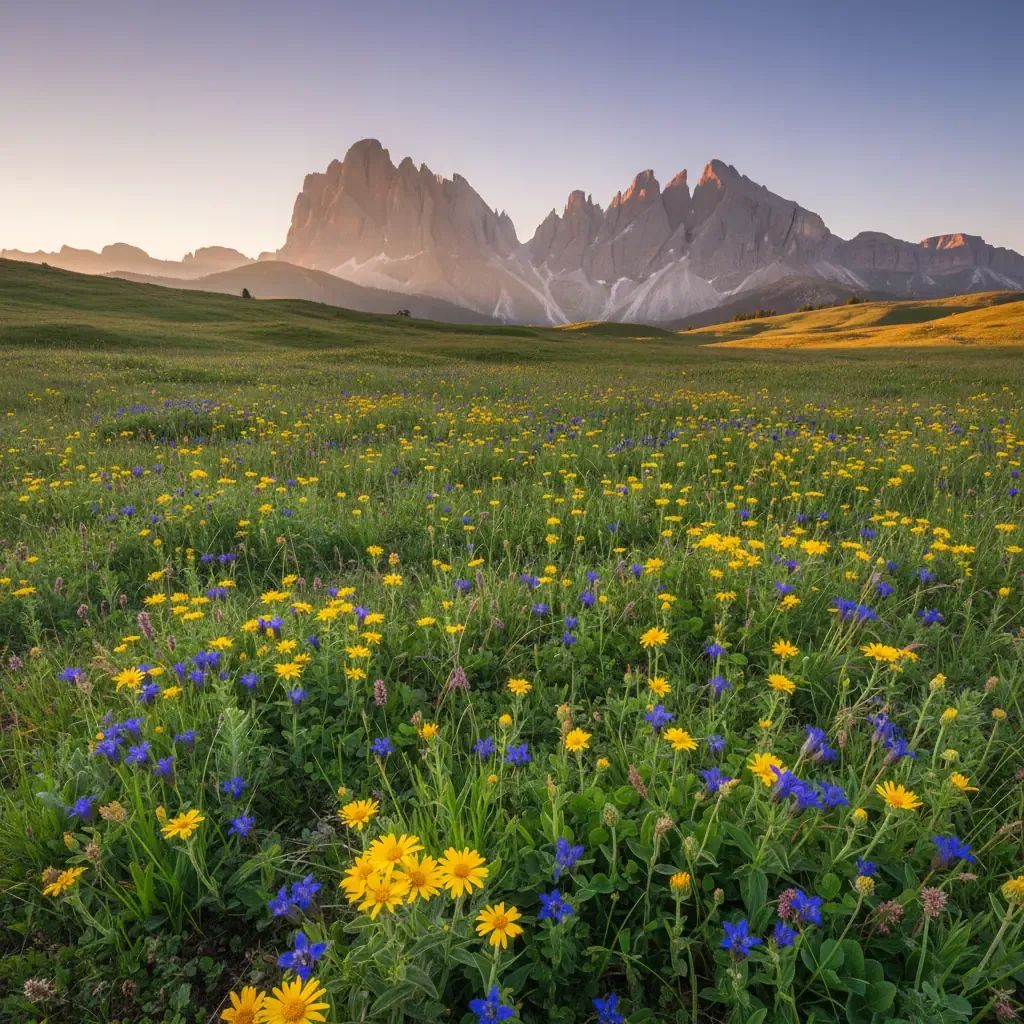
The Italy Ministry of the Environment and Legambiente are sounding the alarm on an overlooked casualty of climate disruption: the nation's medicinal and aromatic plants, an economic engine worth over €1 billion annually that faces collapse from overexploitation, habitat loss, and illegal trade. As warmer temperatures push alpine species toward extinction and black-market harvesters strip wild populations bare, the country's herbal heritage—and the livelihoods of 400+ specialized growers—hang in the balance.
A Hidden Biodiversity Crisis
Italy sits at the crossroads of Mediterranean, Alpine, and Apennine ecosystems, making it one of Europe's richest repositories of medicinal and aromatic plants. Nearly 9,000 hectares are under cultivation for approximately 130 species, spanning pharmaceuticals, cosmetics, and culinary applications. Yet the wild stocks that underpin this industry are disappearing. According to Legambiente's "Natura selvatica a rischio 2026" report—released to mark World Wildlife Day on March 3—species like genziana lutea (yellow gentian), arnica montana, and artemisia nana are now classified as Vulnerable or Near Threatened across the Alps and Apennines.
The culprits are multiple: climate shifts that alter temperature and precipitation patterns, fragmenting the habitats these plants require; overharvesting driven by demand from herbal medicine and wellness markets; and a $20 billion global illegal trade in medicinal flora, with Italy serving as both a source and a transit hub for contraband.
The Plants Under Pressure
The species facing the steepest decline include:
• Gentiana lutea: Once abundant in mountain pastures, the yellow gentian's rhizomes are prized for digestive tonics. In Sardinia, the plant is now rated "Endangered," and even Directive Habitat protections have failed to halt population loss.
• Arnica montana: The iconic Alpine healer, used for bruises and inflammation, has seen its range contract by more than half in some areas due to intensive wild collection.
• Artemisia nana: A high-altitude relative of wormwood, threatened by warming that pushes cold-adapted species off mountaintops.
• Juniperus communis (juniper), Glycyrrhiza glabra (licorice), valeriana, and Hypericum perforatum (St. John's wort) are also under strain from both climate and commercial pressure.
Globally, between 50,000 and 70,000 species of medicinal and aromatic plants are harvested annually. Roughly 1,300 appear on CITES appendices, the international treaty that regulates trade in endangered species. The International Union for Conservation of Nature estimates that 31% of Europe's officinal plants are in decline.
What This Means for Producers and Consumers
For farmers, the shrinking wild gene pool threatens crop resilience and the discovery of new therapeutic compounds. For herbalists and pharmaceutical companies, supply chains are at risk: If wild-harvested ingredients vanish, prices will climb and formulations may change. Consumers accustomed to herbal remedies—whether genepì liqueur, arnica cream, or gentian bitters—could face shortages or adulterated substitutes.
The economic stakes are substantial. Piedmont leads national cultivation, while the Central-South, Alps, and Apennines concentrate the highest wild diversity. Yet regulation remains a patchwork. Italy's 2018 Legislative Decree 75—the "Testo Unico" on officinal plants—sets national standards, but enforcement falls to individual regions. Some, like Tuscany, have published lists of protected spontaneous species and approved sustainable harvest protocols. Others lag behind, creating loopholes that black-market collectors exploit.
Regional Responses and Best Practices
Despite the fragmentation, pockets of progress exist:
• Piedmont requires permits for wild collection via local mountain communities and caps personal harvest at five specimens per day for unprotected species, with root removal banned.
• Tuscany became the first region to publish a comprehensive registry of wild officinal species in 2026, a model Legambiente cites as a "good practice."
• The Monti Ernici supply chain (straddling Lazio and Abruzzo) has developed a traceability system that certifies sustainable wild harvest, earning mention in the Legambiente report among six national exemplars.
The 2024–2026 Organic Agriculture Plan also supports conversion to certified organic cultivation of medicinal plants, offering per-hectare subsidies that incentivize farmers to abandon chemical inputs and adopt biodiversity-friendly techniques.
Climate's Creep Up the Mountains
Rising temperatures are rewriting the botanical map. Alpine plants migrate upslope in search of cooler microclimates, but space runs out at the summit. Studies cited in the Legambiente dossier forecast range reductions exceeding 50% by 2050–2070 for some Mediterranean medicinal species. Warming also disrupts the synchrony between plants and pollinators—critical for seed production—and alters phytochemical profiles, potentially reducing the therapeutic potency of harvested material.
In the northern Apennines, nutrient-demanding species are expanding at the expense of those adapted to lean soils, a shift that mirrors broader Alpine "greening" trends. While satellite imagery shows more vegetation cover, ecologists warn this masks the replacement of specialist flora with generalist competitors, eroding the unique biodiversity that makes Italy's highlands a global medicinal plant hotspot.
The Call for Uniform Standards
Legambiente urges the Italy Cabinet and regional governments to harmonize harvest quotas, licensing, and enforcement nationwide. Key recommendations include:
• Quantitative thresholds for wild collection, calibrated to regeneration rates and population health.
• Mandatory training for commercial harvesters on sustainable techniques, such as partial rhizome removal and staggered collection cycles.
• Expansion of cultivation to relieve pressure on wild stocks, with incentives for organic and agroecological methods.
• Stronger CITES enforcement at borders and in e-commerce, targeting illegal shipments masquerading as legal herbal products.
The organization also highlights the need to replicate successful models—like the Monti Ernici chain—across other mountain regions, creating certified "responsible supply chains" that guarantee traceability from field to pharmacy.
Why It Matters Beyond Borders
Italy's officinal plant sector is not insular. The country exports raw material and finished herbal products across the European Union, and Italian Alps and Apennines serve as genetic reservoirs for pan-European flora. If these populations collapse, the continent loses both biodiversity and the raw ingredients for traditional and modern pharmacopoeias.
Moreover, many rural communities depend on seasonal wild harvest for supplemental income. Women and elderly residents, in particular, gather herbs for sale to cooperatives and distilleries. Without sustainable management, these livelihoods evaporate—accelerating rural depopulation and the loss of intergenerational ecological knowledge.
A Path Forward
The convergence of climate disruption, illegal trade, and regulatory gaps demands integrated action. Italy possesses the scientific expertise, agronomic infrastructure, and legal tools to reverse the decline—but coordination remains the missing ingredient. As World Wildlife Day 2026 spotlights medicinal and aromatic plants, the question is whether policymakers will move beyond declarations to enforce the protections already on the books and scale up the innovations happening in pockets like Tuscany and the Monti Ernici.
For residents, the immediate takeaway is clear: The herbal products in your pantry or medicine cabinet are not infinite. Supporting certified organic or fair-wild labels, reporting illegal harvesting, and pressing regional authorities for transparent enforcement can help ensure that future generations inherit more than a memory of arnica and gentian blooming in the high pastures.


