
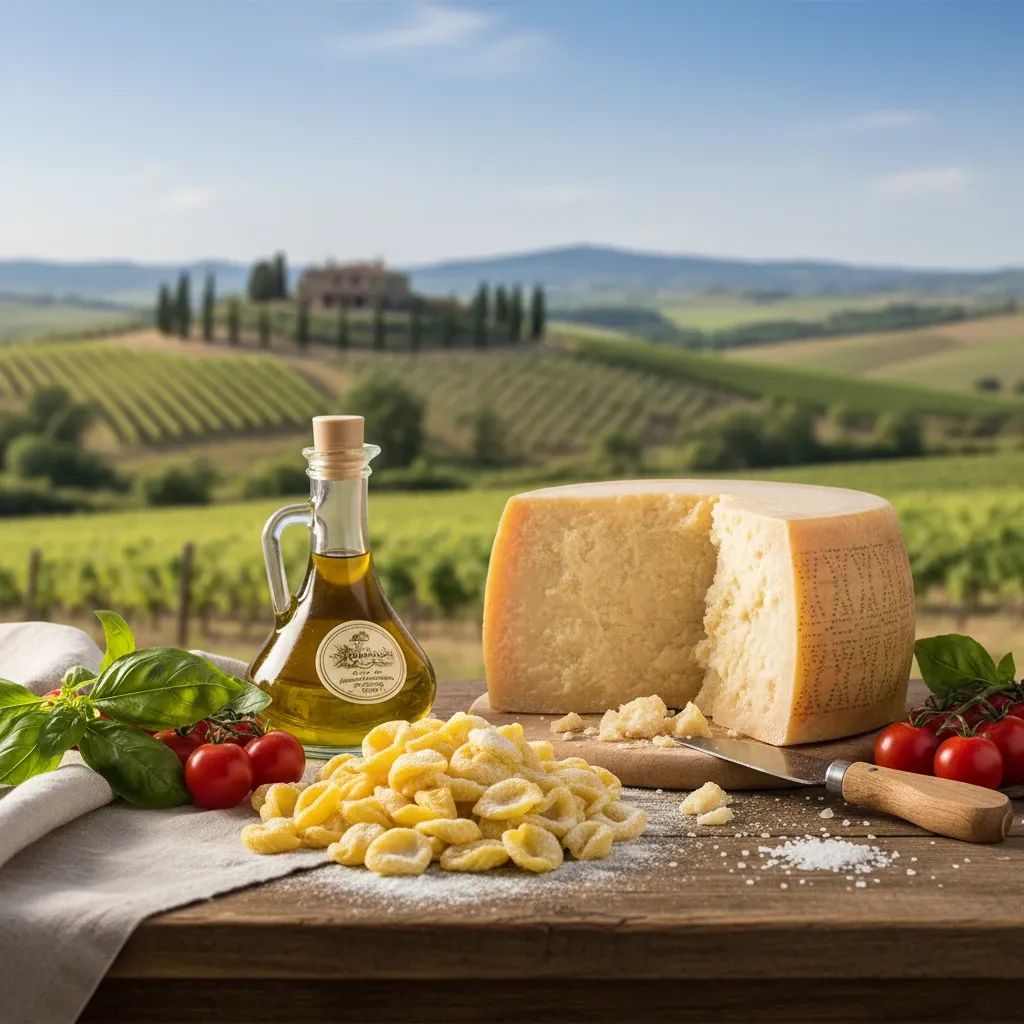
The Italian Senate is considering a proposal to establish a dedicated National Guarantee Authority for Italian Cuisine, a move aimed at protecting one of the country's most valuable economic assets and combating counterfeit food products abroad. The initiative follows a recent UNESCO recognition of Italian culinary tradition.
Why This Matters:
• €250B sector at stake: Italian cuisine globally generated €250 billion in 2024, growing 4.5% year-on-year.
• Export performance strong: Italy's agri-food exports reached €73 billion in 2024, with the sector encompassing over 800 DOP and IGP certifications—protected designations of origin and geographical indications that legally tie products like Parmigiano-Reggiano, Prosciutto di Parma, and Aceto Balsamico Tradizionale to specific regions and production methods.
• New watchdog proposed: The Authority would set binding quality standards, certify authenticity, and coordinate efforts to protect Italian gastronomy internationally.
The Proposal and Its Scope
The initiative is championed by Its Academy Bact (a technical institute specializing in cultural heritage and tourism) alongside environmental group FareAmbiente. The proposal calls for an independent national body tasked with defining what qualifies as authentically Italian food and establishing coherent standards rooted in Italian history and tradition.
Aniello Di Vuolo, president of Its Academy Bact and the National Institute for Quality Control Nhaccp, outlined the Authority's key objectives: establish standards reflecting Italian culinary heritage, elevate recognition of health benefits associated with premium Italian raw materials, integrate sustainability and biodiversity criteria, ensure transparent scientific evaluation, and strengthen Italy's international gastronomic positioning.
What This Means for the Italian Economy
The proposal addresses concerns about counterfeit products marketed as Italian but manufactured elsewhere. According to the Deloitte Foodservice Market Monitor 2025, Italian cuisine worldwide generated €250 billion in 2024, with growth accelerating at 4.5% annually. Italy's domestic agri-food sector contributes significantly to the national economy, representing a critical economic driver.
Export performance has been solid: Italian agri-food products reached nearly €73 billion in sales last year. Italy boasts over 800 DOP and IGP certifications—protected designations of origin and geographical indications that legally tie products to specific regions and production methods.
The Authority would work to combat the proliferation of products with Italian-sounding names and imagery manufactured outside Italy with inferior ingredients, a practice that undermines authentic Italian producers and confuses consumers globally.
How the Authority Would Function
The proposed body would operate independently with a mandate to:
• Define authenticity standards: Establish criteria for what constitutes genuine Italian cuisine in terms of ingredients, techniques, and cultural context.
• Coordinate international efforts: Work with trade officials and international bodies to protect Italian food interests abroad.
• Promote quality and sustainability: Integrate environmental and biodiversity criteria into quality benchmarks.
• Support training and expertise: Develop professional capability within the sector to enforce and communicate standards.
The Its Academy Bact is already designing training programs to produce professionals capable of merging culinary excellence with food safety, sustainability, and heritage protection.
Political and Regulatory Path Forward
The proposal is in its early legislative phase and requires parliamentary approval, budget allocation, and consensus on governance structure. Questions remain about how the Authority would coordinate with existing bodies like the Italian Ministry of Agriculture, the Ministry of Culture, and regional DOP/IGP consortia, and whether it would streamline or duplicate current certification systems.
International enforcement poses a challenge, as the Authority's authority would be limited to Italy's borders. Success would require diplomatic agreements and trade provisions to protect Italian interests abroad.
What Happens Next
The Senate will debate the proposal in coming months, with input from agricultural lobbies, regional governments, chef associations, and consumer groups. The initiative aims to translate institutional recognition into regulatory frameworks that protect and promote Italian culinary excellence globally.


