
What Today's Gas Price Means for Your Bills
Natural gas in Italy remains significantly expensive despite a modest 2.21% daily decline to €49 per megawatt-hour (MWh) at the Amsterdam trading hub. For a typical Italian household, this price translates to roughly €0.098 per cubic meter—the cost of running a standard gas boiler for 24 hours in mid-winter. The critical issue for residents: today's €49/MWh is 44.69% higher than July 2025 levels, meaning your energy bills stay substantially elevated compared to a year ago. This is where the real story matters for your budget planning.
Why Prices Stay High Despite Recent Decline
The Amsterdam Title Transfer Facility (TTF) benchmark has experienced extreme volatility over the past week. From €44.95/MWh on July 6, prices surged 6.05% to €49.64/MWh by July 8, breached €50/MWh on July 9, and now rest at €49. This swinging pattern reflects persistent underlying tensions rather than a genuine market recovery.
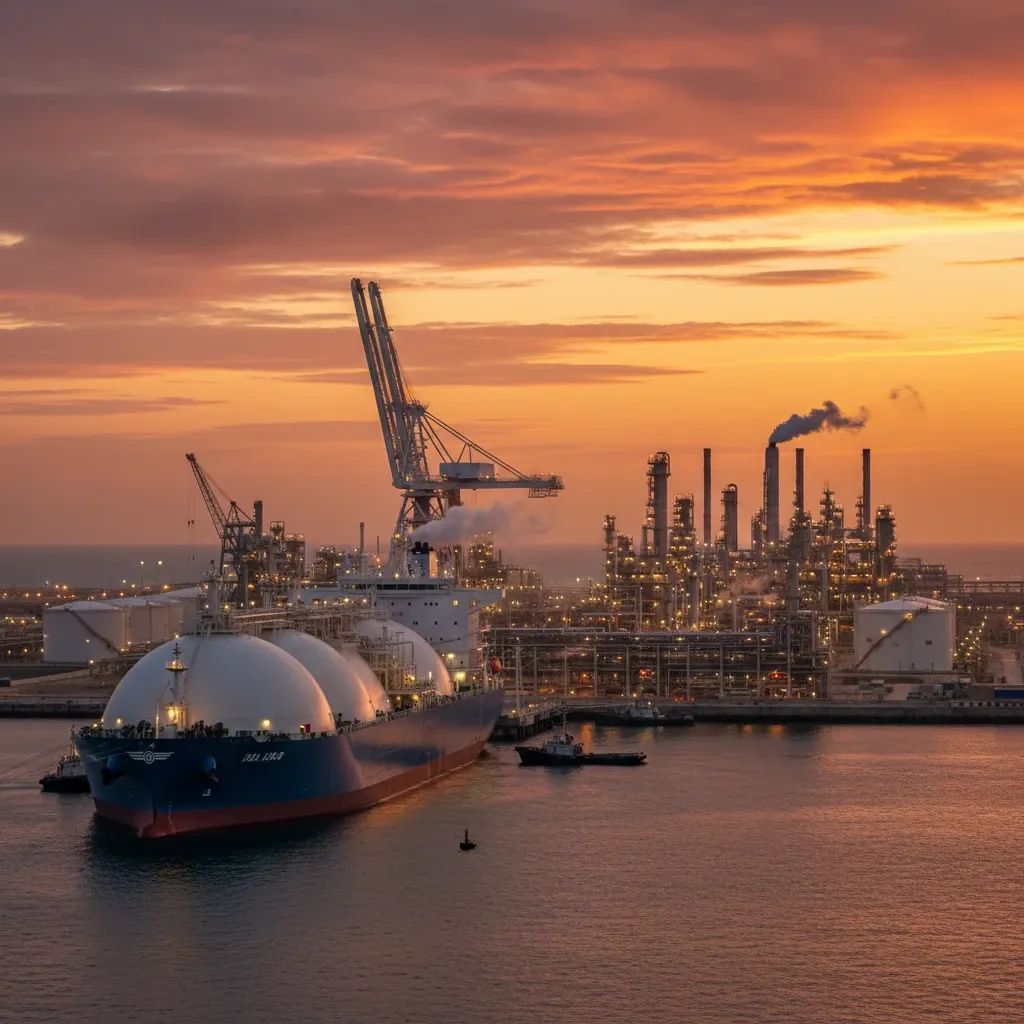
The primary driver is geopolitical risk in the Strait of Hormuz, through which approximately one-fifth of global liquefied natural gas (LNG) shipments pass. Escalating tensions between the United States and Iran, including recent incidents involving tanker movements, have injected a persistent risk premium into European gas markets. According to Bloomberg vessel tracking, LNG carriers Al Hamara and Umm Slal are currently transiting the strategic chokepoint, but each passage underscores the uncertainty traders face.
Additional supply constraints compound the pressure. European gas storage facilities hover at 50% capacity—the lowest level in five years for this time of year—creating urgency for additional imports before winter. With Asian buyers (Japan, South Korea, China) competing aggressively for spot LNG cargoes at premium prices, European terminals face supply competition that keeps wholesale prices elevated.
Italy's Particular Challenge: The Premium Problem
Italian households and businesses face an additional cost burden beyond the baseline TTF price. The Punto di Scambio Virtuale (PSV)—Italy's domestic gas trading platform—has traded at a €4/MWh premium over the TTF benchmark in recent sessions. This spread reflects Italy's structural disadvantages: relative isolation from the integrated northwest European pipeline network and heightened reliance on LNG imports through regasification terminals at Rovigo, Livorno, and Panigaglia.
To put this in perspective: while a German household benefits from direct pipeline connections to multiple supply sources, Italian consumers depend on more expensive LNG routes and terminals, translating into higher bills than neighbors in France, Germany, and Austria experience for the same wholesale commodity.
What This Means for Your Energy Contract
If you're on a regulated tariff linked to PSV or TTF prices, your quarterly bills will reflect recent volatility—likely staying elevated regardless of the modest daily decline. For households on fixed-price contracts, the good news is short-term stability; the concern is renewal rates if tensions persist through 2026.
Industrial users in energy-intensive sectors—ceramics, glass, steel, fertilizer production, food processing, and textiles—are already facing acute pressure. Italy's manufacturers compete directly with Spanish and French rivals who benefit from lower regional prices, creating competitiveness concerns that industry associations have raised with policymakers.
What to Watch Going Forward
Market consensus projects TTF prices will average €50.96/MWh through Q3 2026 and potentially rise to €60.53/MWh within 12 months, assuming no major new geopolitical disruptions and gradual recovery in Middle Eastern LNG export capacity. For residents and businesses, the key variables are:
• Diplomatic developments between Washington and Tehran affecting Strait of Hormuz security
• European storage injection rates through August and September, which determine winter supply security
• Global LNG competition, particularly if Asian demand accelerates
• Italian infrastructure upgrades that could narrow the domestic price premium
The Bottom Line
The €49/MWh level offers modest relief compared to early July's €50 spike, but it remains substantially above historical norms and significantly higher than a year ago. For Italian residents managing household budgets and businesses planning operations, the reality is clear: absent a durable resolution to Middle East tensions or a surge in global LNG supply, energy costs will remain a major budget item through 2026. When evaluating your energy contract options, factor in the elevated baseline and the structural premium Italy pays—short-term price swings matter less than the underlying high-cost environment shaping your costs.


