The Italy Ministry of Business and Made in Italy is launching a new price-tracking app for motorists on Monday, July 20, 2026, as fuel costs at highway service stations have climbed back above the €2-per-liter threshold amid escalating geopolitical tensions in the Middle East that have rattled global energy markets.
Why This Matters
• Highway gasoline now averages €2.01/liter self-service, up from previous days, with diesel at €2.13/liter
• Middle East tensions have driven oil prices upward, adding pressure to global energy markets
• Italy ranks among the higher-priced countries in the EU for fuel costs, with taxes and excise duties comprising a significant portion of the pump price
• Government fuel-tax cuts expired July 3, removing the last €0.05/liter discount after months of temporary relief
The New Price-Transparency Tool
Starting Monday, July 20, 2026, the Osservaprezzi Carburanti app will be available free for iOS and Android devices, designed to help drivers locate the nearest station or compare prices before filling up. The application displays regional average prices alongside individual station rates for same-day comparison, a feature the ministry hopes will sharpen competition and empower consumers to vote with their wallets.
The app represents the latest step in Italy's effort to bring transparency to a fuel market where pricing can vary significantly between urban areas, rural zones, and especially highway rest stops, where operational costs and commercial conditions push rates considerably higher. In its initial rollout phase, officials are inviting users to report inaccuracies or functionality issues to help refine the platform's effectiveness.
Geopolitical Tensions Drive Energy Markets
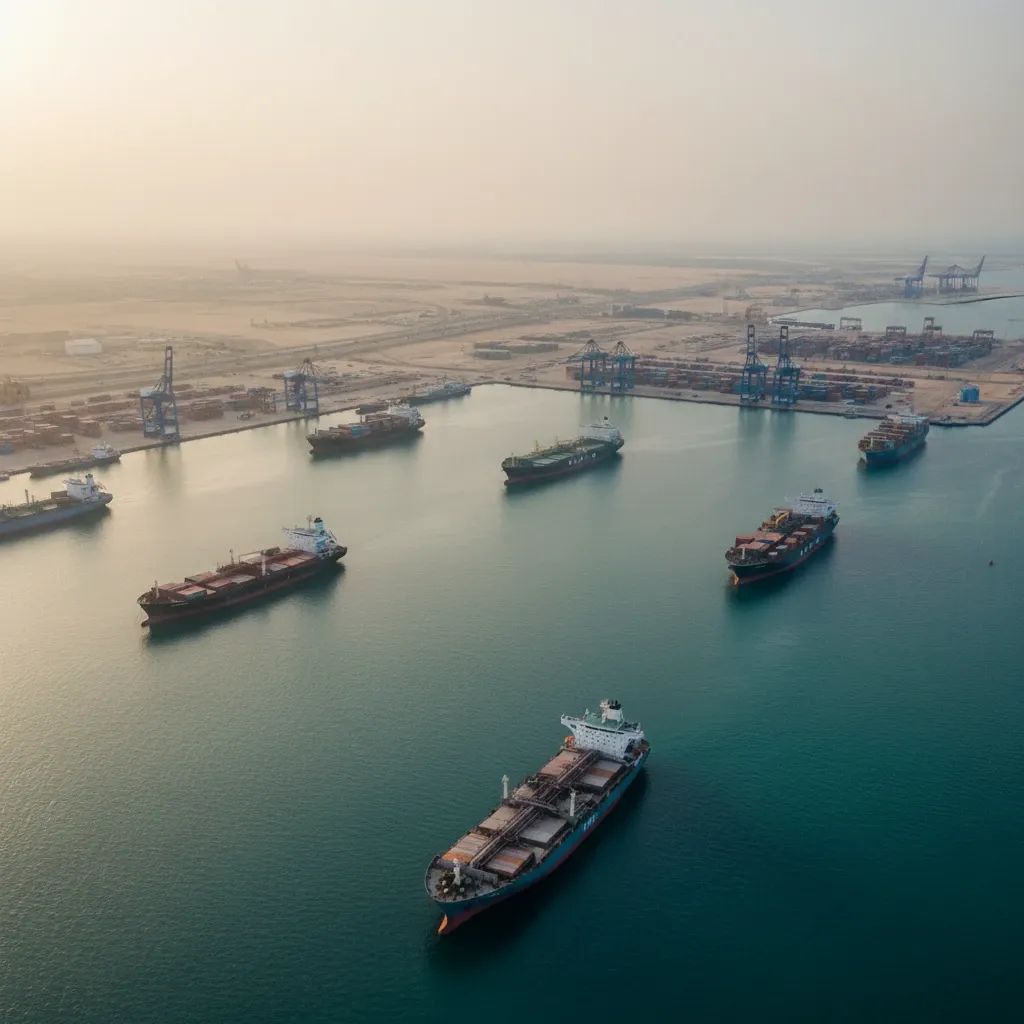
The resurgence of €2+ gasoline at Italy's highway stations reflects broader turbulence in global energy markets. The primary catalyst has been mounting tensions in the Middle East, where geopolitical risks have threatened critical supply routes and disrupted energy flows to Europe and beyond. These regional instabilities have sustained uncertainty in global oil and gas markets, keeping prices elevated.
International energy markets remain sensitive to developments in this strategically vital region, and any further escalation could impact supply and pricing across Europe. Conversely, a stabilization or resolution of tensions could provide relief to fuel prices in the months ahead.
What This Means for Italian Drivers
For residents filling up at highway stations, the practical impact is immediate. A full 50-liter tank of gasoline now costs just over €100 at self-service pumps, compared to closer to €95 on ordinary roads where the current average is €1.90/liter. Diesel drivers face an even steeper bill, with highway rates at €2.13/liter versus €1.89 on standard networks.
Italy's fuel tax structure amplifies the pressure on motorists. The country maintains some of the highest fuel excise duties in the EU, significantly higher than many EU countries including Spain. When the 22% value-added tax is calculated on top of the excise (yes, you pay tax on the tax), roughly 60% of the pump price represents government revenue. This structural reality means that even modest shifts in crude oil markets translate into outsized wallet hits for Italian motorists.
Consumer advocacy groups have renewed calls for the government to restore excise cuts that expired July 3. Throughout the spring, temporary reductions provided relief, but those measures lapsed. The final extension, which ran until early July, trimmed €0.05/liter from gasoline and diesel.
Italy in European Context
Italy does not have the highest fuel prices in the EU. Countries like Denmark and the Netherlands report higher per-liter costs, while nations such as Spain and Malta offer lower prices. Italy's current pricing places it in the upper-middle tier of European fuel costs.
The differential is largely a function of tax policy. While Italy maintains relatively steep excise rates, countries like Denmark and the Netherlands layer on additional environmental levies and higher VAT rates. Conversely, Spain and Malta maintain lower excise regimes, translating directly to cheaper forecourt prices.
In recent months, EU-wide fuel prices have climbed for both gasoline and diesel. Italy's increases have tracked broadly in line with the broader European trend, reflecting the country's participation in interconnected energy markets.
Government Response and the Road Ahead
The Italy Cabinet has spent recent months balancing temporary tax relief with fiscal caution. The government implemented initial excise duty reductions in March, followed by extensions in April, May, and June, each time with narrower discounts. The final iteration, which ended July 3, offered €0.05/liter relief on gasoline and diesel.
Officials have signaled they will continue monitoring geopolitical developments to determine whether further intervention is warranted. However, no new measures have been announced, and the treasury appears cautious about committing additional resources amid competing fiscal pressures.
In the interim, the new Osservaprezzi Carburanti app represents a policy approach centered on transparency rather than subsidy. By enabling drivers to identify cheaper stations and compare regional averages, the ministry hopes market forces will exert downward pressure on prices, particularly in areas where competition is limited.
Practical Steps for Motorists
For those navigating Italy's fuel market in the current environment, a few strategies can mitigate costs. First, avoid highway stations unless absolutely necessary; the €0.10-€0.20/liter premium adds up quickly on long-distance trips. Second, use the new ministry app starting Monday to scout lower-cost options along your route. Third, consider timing fill-ups strategically—prices often tick up on weekends and before holidays when demand peaks.
Diesel drivers, facing elevated year-on-year increases, may want to evaluate whether switching to gasoline or hybrid vehicles makes economic sense over the medium term, especially if geopolitical pressures persist.
Finally, keep an eye on crude oil markets and Middle East developments. Any stabilization could help ease pressure on fuel prices—though forecasting geopolitical outcomes remains uncertain at best.
The bottom line: Italy's fuel market is caught between global supply pressures, domestic tax policy, and the end of government relief measures. The new price-transparency app offers a tool to help consumers navigate current prices, but reflects a broader challenge rooted in global energy dynamics and tax structures established over decades.