The Italian fuel industry is warning that pump prices will reverse their recent downward trend and climb again, driven by a sharp uptick in international crude oil markets and a deepening supply crisis triggered by the ongoing blockade of the Strait of Hormuz. While gasoline and diesel availability remains stable for now, Italy faces a looming shortage of aviation fuel that could ground flights by early summer.
Why This Matters
• Pump prices are set to rise again despite three consecutive days of declines, with Brent crude jumping to $102 per barrel and international wholesale diesel prices doubling.
• Aviation fuel shortages loom after May 2026, threatening widespread flight cancellations and higher ticket prices across Europe.
• Geopolitical tensions in the Persian Gulf have disrupted 40% of global jet fuel supply, with Italy's airports already rationing kerosene.
Wholesale Diesel Doubles as Crude Surges, Retail Prices to Follow
Gianni Murano, president of Unem—the association representing Italy's fuel producers and distributors—delivered a sobering assessment during an interview with Radio 24's morning program. "Yes, prices are falling right now, but based on what I'm seeing from Brent and international diesel markets, they will have to rise again. The upward movement has been quite brisk in recent hours," Murano explained.
Current pricing data from the Italy Ministry of Business and Made in Italy shows average self-service pump prices at approximately €1.78 per liter for gasoline and €2.16 per liter for diesel on the national road network as of April 13, 2026. Highway prices run slightly higher at €1.82 for gasoline and €2.19 for diesel. These figures represent a temporary dip after major suppliers including Eni, IP, Q8, and Tamoil reduced their recommended prices, particularly for diesel.
However, the reprieve appears short-lived. International crude benchmarks have surged dramatically, with Brent trading at $102 per barrel (up 7%) and West Texas Intermediate at $105 per barrel (up 8%) amid escalating geopolitical tensions. The U.S. administration's announcement of a potential naval blockade in the Strait of Hormuz and Iranian ports has sent shockwaves through energy markets.
Gasoline and Diesel Secure Through May—Then Uncertainty
Despite the price volatility, Unem assures that gasoline and diesel supplies to Italian service stations face no immediate availability problems. "We don't see issues for gasoline and diesel at distributors, aside from the price. Coverage for April and May is guaranteed," Murano told ANSA, Italy's national wire service.
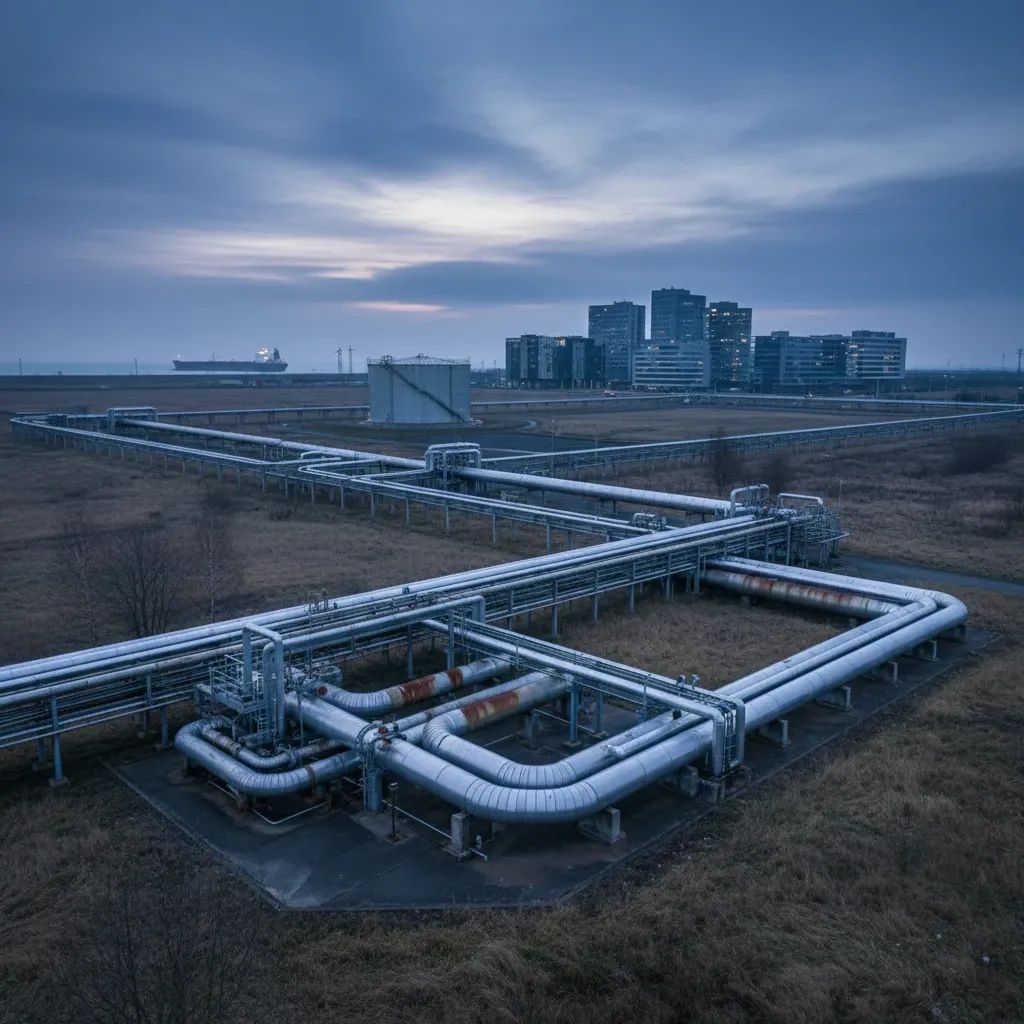
Italy's domestic refining capacity provides a crucial buffer. The country can refine all the gasoline, diesel, and marine fuel oil it requires without importing refined products. "We're in a position to refine all the gasoline, diesel, and fuel oil we need. We don't have to import refined products," Murano emphasized.
The Strait of Hormuz crisis, triggered by escalating tensions involving the United States, Israel, and Iran, has dramatically reduced maritime traffic through this critical chokepoint. Approximately 20% of global oil consumption—between 17 and 20 M barrels daily—normally transits this narrow waterway, along with over a quarter of worldwide liquefied natural gas exports.
Yet Murano downplays the immediate threat to crude supplies. "The Strait of Hormuz carries 10% of world oil, about 11 M barrels, most of which goes to Asia. If that crude becomes unavailable, you can find it elsewhere. As we say in the trade, we're 'long' on oil," he explained. The concern instead lies in price escalation as Asian demand redirects to alternative suppliers, tightening global markets.
The Real Crisis: Aviation Fuel Runs Dry
The genuine emergency, according to Unem's president, centers on jet fuel—the kerosene-based aviation fuel that powers commercial aircraft. Europe's structural dependence on Middle Eastern refining capacity has created a critical vulnerability now exposed by the Hormuz blockade.
"The EU imports 10 M tons, the UK another 10 M. Fifty percent of refined product imported by Europe—10 M tons—comes from refineries in the Gulf: Saudi Arabia, Kuwait, the Emirates," Murano detailed. "Replacing these quantities is a problem."
Europe's shrinking refining sector compounds the crisis. Over the past 18 years, the continent has shuttered 36 refineries, leaving it dependent on imports for approximately 35-43% of its jet fuel needs. The region lacks the specialized refining capacity to produce sufficient aviation-grade kerosene domestically, according to Eni CEO Claudio Descalzi.
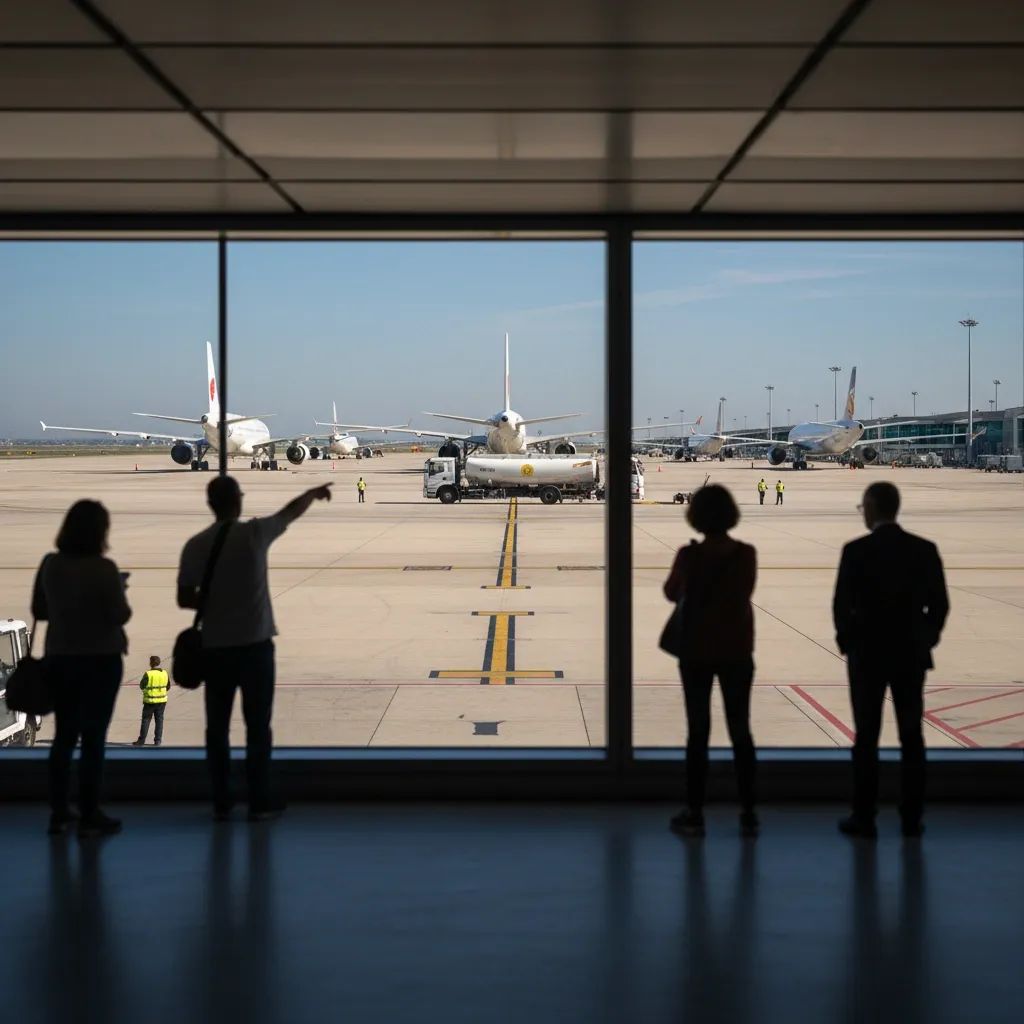
Several Italian airports—including Milan Linate, Bologna, Venice, and Treviso—have already implemented temporary rationing measures through suppliers like Air BP Italia. Restrictions prioritize medical flights, state aircraft, and long-haul routes, while imposing maximum fuel caps on shorter connections. Venice has advised airlines to practice "tankering"—refueling at other airports before arrival.
Major hubs like Rome Fiumicino and Milan Malpensa have maintained normal stock levels so far and avoided the initial restrictions, which primarily affected a single supplier at northern airports.
What This Means for Residents
For Italians, the fuel crisis translates into immediate economic pressure and potential travel disruption. International wholesale diesel prices have doubled, which will impact retail pump prices and affect not just private vehicles but also agriculture, manufacturing, and freight transport—meaning higher costs will ripple through food prices and general inflation.
The aviation fuel shortage threatens summer travel plans. ACI Europe, the international airport association, has warned that if Strait of Hormuz traffic doesn't stabilize, a "systemic shortage" of aviation fuel will hit EU airports by late May or June. Airlines including Delta, Air New Zealand, and LOT Polish Airlines have already announced capacity cuts or route cancellations.
Jet fuel prices in Europe have reached historic highs, doubling from pre-conflict levels. Since fuel represents 20-40% of an airline's operating costs, travelers should expect higher ticket prices even on routes that continue operating. Major carriers like Lufthansa and Ryanair are preparing contingency plans that could include grounding portions of their fleets.
Italy's strategic reserves provide a buffer estimated at roughly seven months for overall petroleum products, but only a fraction consists of aviation-grade kerosene. Current stocks are projected to last until the end of May, with the situation beyond that timeline remaining deeply uncertain.
Residents planning summer travel should consider booking flights early or have backup plans in case of cancellations, particularly for routes to or through affected regions.
"For April and May we're covered on jet fuel. After that, we don't know," Murano concluded. "We don't even know what demand will look like, whether there will be a drop in air travel due to political uncertainty, especially toward the Middle East."
Alternative Sources Can't Fill the Gap
Refineries in India and Egypt, which also supply European markets, face their own constraints. "If they don't have Gulf crude, they could reduce production," Murano noted, highlighting how supply chain disruptions cascade through global networks.
Sustainable aviation fuel (SAF), mandated at 2% blending rates by EU regulation since 2025, cannot compensate for conventional jet fuel shortages in the short term. Production remains structurally limited and costs significantly exceed traditional kerosene, with SAF representing barely more than 5% of European consumption despite quadrupling output projections through 2026.
Notably, no European-level mapping or monitoring system exists for aviation fuel production and availability—a coordination gap that ACI Europe has urged Brussels to address through emergency measures like collective purchasing and identification of alternative supply routes.
The fuel price volatility and supply uncertainty underscore Italy's continued vulnerability to global energy market shocks, despite domestic refining capabilities. Residents should prepare for rising costs at the pump and potential travel restrictions as the geopolitical situation in the Persian Gulf continues to evolve.