
The Italian Football Federation (FIGC) has convened its electoral assembly on June 22, 2026 at Rome's Cavalieri Hotel to select a new president, with Giovanni Malagò and Giancarlo Abete vying to lead an organization facing significant financial and competitive challenges, including repeated World Cup absences and infrastructural limitations that have left Italian clubs trailing European rivals.
Why This Matters
• Financial pressure mounts: Italian professional football faces substantial economic challenges, with clubs experiencing financial strain and several facing transfer market restrictions.
• World Cup drought continues: Italy's third consecutive failure to qualify for the World Cup underscores deeper structural challenges that the incoming president must address.
• Power shift looms: The outcome will determine whether the Serie A clubs gain greater autonomy or if grassroots football retains its traditional influence within the federation.
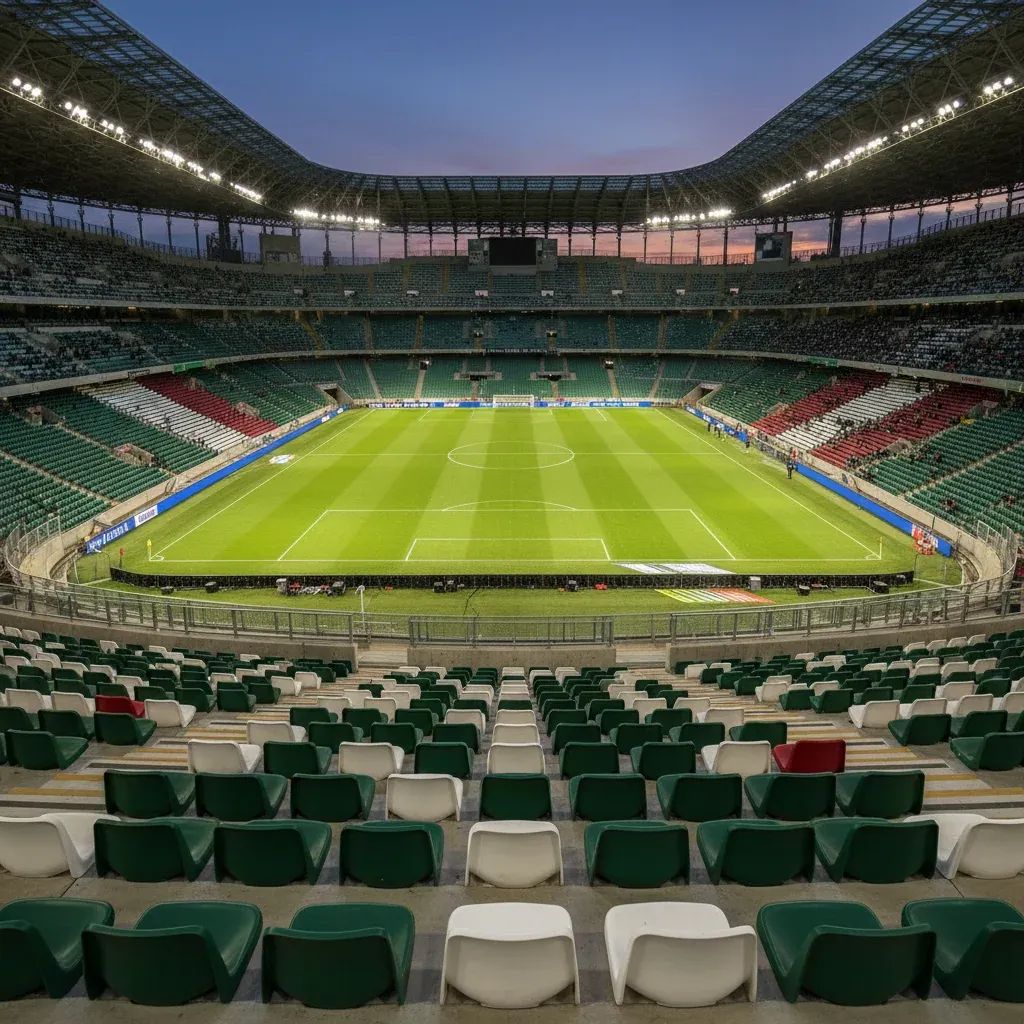
• Infrastructure gap widens: Italian stadiums rank outside Europe's top 10 for modernization, limiting commercial revenue and fan engagement ahead of Euro 2032.
The Candidates' Contrasting Visions
The assembly involves delegates from across Italian football, with voting power distributed among Serie A clubs, professional and amateur leagues, and player and coaching representatives. Malagò enters as the frontrunner, according to polling by Il Giornale d'Italia suggesting he commands significant support over Abete, positioning him for a first-ballot victory.
Malagò's platform centers on reinforcing Serie A's economic engine while implementing strict sustainability measures. His proposal includes negotiating IRAP tax relief with the Italian government, introducing betting revenue quotas to fund grassroots development, and ensuring total independence for the Italian Referees Association (AIA). Crucially, his vision would grant Serie A clubs expanded decision-making authority, reflecting their status as the primary revenue generator. He enjoys backing from the Serie A League, Serie B League, the Players' Association (AIC), and the Coaches' Association (AIAC).
Abete's alternative emphasizes structural rebalancing, proposing reforms to strengthen grassroots development. His program advocates for economic redistribution to build a more balanced federation and critiques current approaches to youth development. The National Amateur League (LND), representing grassroots football, forms part of his constituency, though his path to victory requires support across different football levels.
Speaking before the vote, Abete framed the contest as substantive: "It would be important to confront the underlying structural issues rather than make only personnel changes at the top. Every time we're eliminated from a World Cup, we need to assume collective responsibility and address what needs to change in Italian football." He acknowledged Malagò's credentials while insisting that comprehensive reform is necessary.
The Gravina Legacy and Departure
Gabriele Gravina, who resigned in April after seven years at the helm, presided over a federation marked by significant challenges. While Italy's national teams achieved notable results in some competitions under his watch, the senior men's team's repeated World Cup failures became the defining emblem of his tenure.
Gravina characterized his exit as a choice reflecting responsibility for federation leadership. Addressing reporters before this assembly, he offered measured perspective: "I wish both candidates the best. Football will remain in good hands regardless of who becomes president."
The Crisis Confronting Italian Football
The incoming president inherits a sport facing systemic challenges. Italian professional football operates under significant financial constraints, with clubs managing substantial debt levels. Investment in youth development remains a critical issue, contributing to talent pipeline concerns for the national team. The federation's proposed reforms emphasize youth investment, financial sustainability, and infrastructure quality.
The competitive landscape reflects broader difficulties. Italian clubs have struggled in European competitions, with the national team's World Cup absences highlighting the depth of structural challenges. This decline impacts UEFA coefficient rankings and revenue streams.
What This Means for Residents
For ordinary Italians, the leadership transition carries implications beyond stadium results. Modern infrastructure development linked to Euro 2032 hosting duties could rejuvenate urban areas around aging stadiums, potentially creating construction jobs and local economic stimulus. However, ticket pricing policies and broadcast accessibility will determine whether football remains culturally accessible or becomes a premium product catering primarily to corporate interests.
The debate over professionalism for referees—long a focal point in Italian football—may advance, potentially improving match officiating standards. Malagò's independence mandate for the AIA suggests institutional separation that could restore credibility to officiating.
Tax negotiations with the government represent another tangible outcome. Securing IRAP relief for clubs would free capital for player development and facility upgrades, though implementation details remain to be negotiated.
Governance Architecture and Voting Dynamics
The assembly's voting system grants representation to Serie A clubs, professional and amateur leagues, player representatives, and coaching representatives. This structure has historically enabled coalition-building across different football constituencies.
Sara Gama, a federal councilor and AIC vice president, deflected speculation about future roles: "I'm not discussing positions. There are many things to accomplish, including our work with the Players' Association. The important thing is that things get done—we're all available." Her response reflects the collaborative approach needed to address Italian football's challenges.
Gama also addressed the importance of multiple perspectives in solving Italian football's structural issues: "Players, both male and female, are always available to help. But solving these problems requires multiple people in various roles, working together."
The Road Ahead
Whichever candidate prevails faces immediate pressure to deliver progress on Italian football's challenges. The 2026 World Cup cycle has already begun, making tactical and administrative decisions urgent. Infrastructural commitments for Euro 2032 require coordination with municipal governments and private investors, while reform efforts demand consensus among different football constituencies.
The two candidates engaged in a prolonged handshake for assembled cameras, with Malagò describing the atmosphere before voting as "serene."
Electronic secret balloting will determine the outcome, with results expected later on June 22. The victor inherits not just an office but responsibility for addressing Italian football's challenges. Whether the solution lies in Malagò's approach or Abete's vision will soon become clear—but the need for institutional reform is widely acknowledged across Italian football.


