
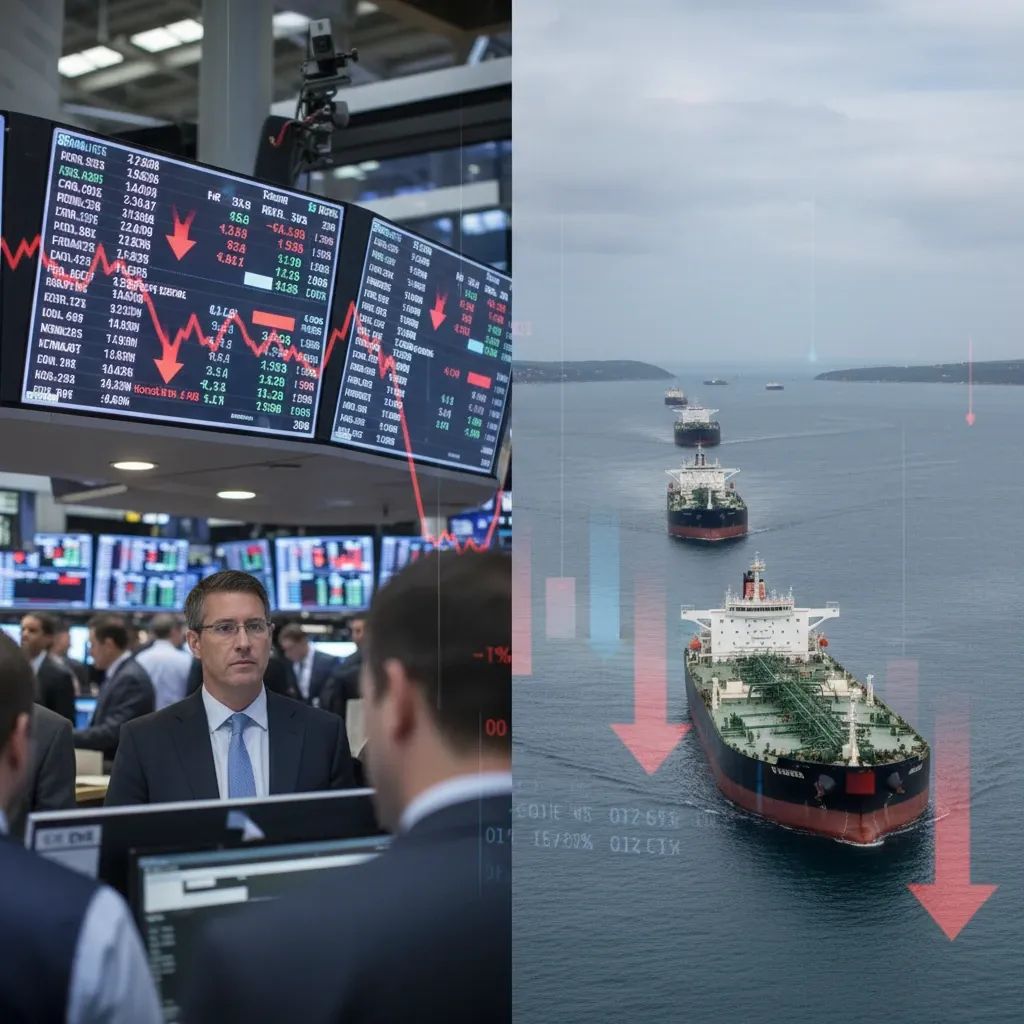
Milan's stock exchange edged higher in morning trading, with the benchmark FTSE MIB rising 0.08% as energy and semiconductor stocks climbed while defense and fintech sectors retreated.
Market Movers
Energy and semiconductors led gainers:
• Saipem, the oil services contractor, surged 2.6%
• Prysmian, the cable manufacturer, added 2.2%
• Tenaris, the steel-pipe maker, climbed 1.8%
• Eni, the energy giant, rose 1.3%
• STMicroelectronics, the Franco-Italian chipmaker, jumped 1.7%, boosted by Nvidia's latest push into personal-computer processors
Energy stocks benefited from geopolitical uncertainties affecting crude supplies, while semiconductor strength reflected growing confidence in AI-driven computing demand.
Declines across defense and fintech:
• Avio, the rocket-motor manufacturer, tumbled 5% after a recent rally
• Nexi, the digital-payments processor, shed 2.2%
• Fincantieri, the shipbuilder, declined 1.6%
• Buzzi, the cement producer, fell 1.6%
• Leonardo, the defense contractor, slipped 0.9%
What This Means for Investors
For Italian savers and retail investors, the mixed signals highlight the importance of sectoral diversification. Concentrated bets on single industries carry heightened risk in an environment where capital rotates in response to geopolitical developments and corporate earnings.
The day's session reflected a market in transition, with capital flowing from previous rally winners into sectors positioned to benefit from energy volatility and technological shifts. The FTSE MIB remains sensitive to external factors, particularly Federal Reserve policy and European Central Bank decisions that influence borrowing costs and the attractiveness of equities versus bonds.
For those holding Italian stocks or considering investments, the rotation underscores the value of a balanced approach across different sectors rather than concentrated exposure to single industries.


