
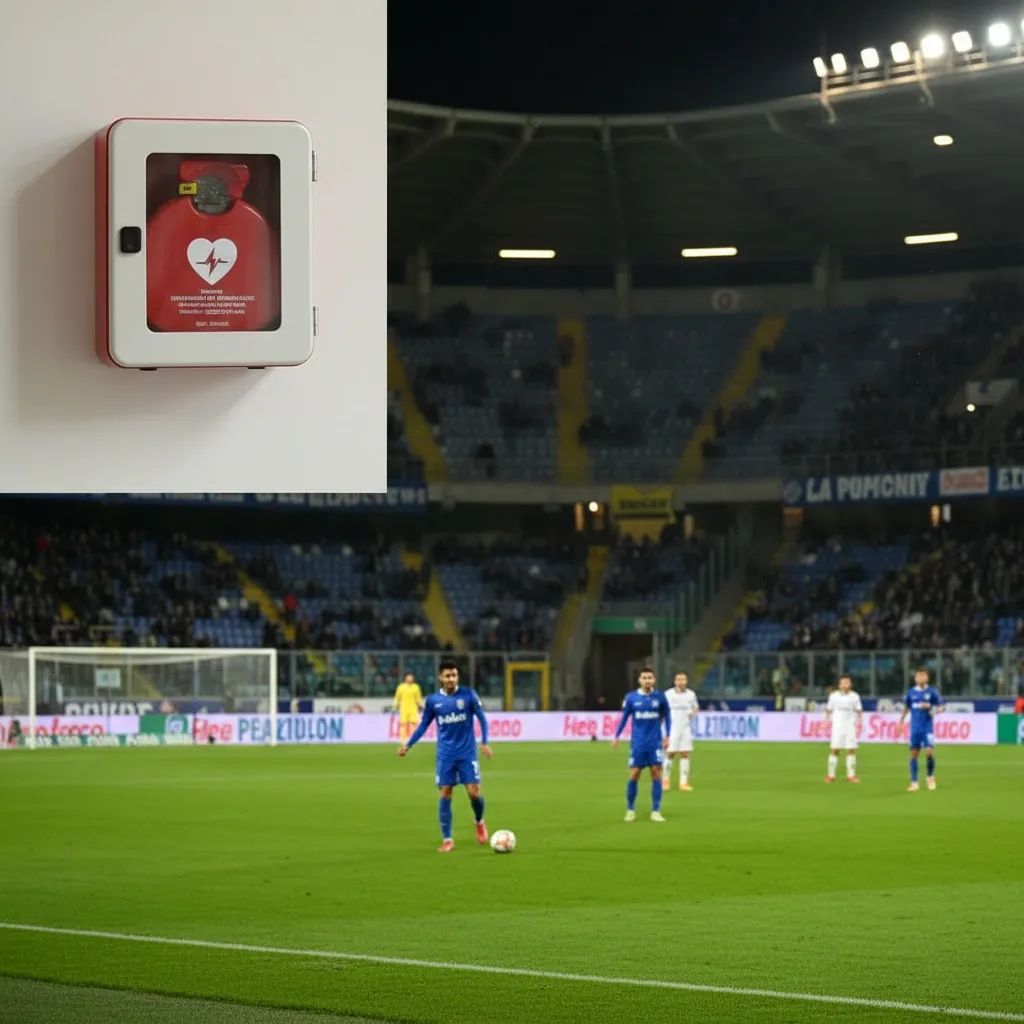
The Bluenergy Stadium in Udine transformed into a free cardiac screening hub in April 2026, drawing more than 250 residents, football fans, and club staff for heart health checks conducted in memory of Davide Astori, the Fiorentina captain who died suddenly in the city eight years ago. The initiative, spanning four days from April 13 to 16, was organized jointly by the Associazione Astori, Udinese Calcio, ACF Fiorentina, and Serie A, in collaboration with the Cardiology Department of Azienda Sanitaria Universitaria Friuli Centrale.
Why This Initiative Matters
• Free access to specialist screening: Participants received electrocardiograms and blood pressure measurements without charge, with follow-up cardiology assessments for anyone showing irregularities.
• Community-focused healthcare: The stadium served as a temporary medical outpost, accessible to locals regardless of their connection to football.
• Tribute to prevention: The effort honors Astori's legacy by addressing the cardiac conditions that can go undetected until tragedy strikes.
• Part of a broader trend: Similar stadium-based screenings have taken place across Italy, including at Rome's Stadio Olimpico and Cremona's Stadio Zini.
Turning Tragedy Into Action
Davide Astori died on March 4, 2018, at just 31 years old, in a hotel room in Udine the night before Fiorentina was scheduled to play Udinese. The autopsy revealed he had suffered sudden cardiac arrest linked to an undiagnosed heart condition. His death sent shockwaves through Italian football and reignited national conversations about the limits of even rigorous pre-competition medical protocols.
The Associazione Astori, founded by his family and supporters, has since spearheaded campaigns to expand cardiac screening beyond professional athletes. While Italy already mandates comprehensive annual heart evaluations for all competitive athletes—a protocol credited with reducing sudden cardiac death in young athletes by approximately 90% since the 1980s—these checks do not extend to the general population or amateur players outside formal sporting structures.
What Happened at the Bluenergy Stadium
Over the four-day window, the stadium's concourses became makeshift examination rooms. Attendees included Udinese Calcio employees, season ticket holders, casual supporters, and residents of Udine who had no direct link to the club but wanted to take advantage of the free service. Participants registered online via QR codes distributed through club channels and local health authorities, or walked in during designated hours.
The Cardiology Department of Azienda Sanitaria Universitaria Friuli Centrale deployed specialist staff and portable diagnostic equipment. Each screening consisted of a 12-lead electrocardiogram (ECG), blood pressure measurement, and a brief medical history review. Anyone flagged for abnormalities was offered an immediate consultation with a cardiologist and referral for further testing, such as echocardiography or Holter monitoring.
Organizers described the turnout as "overwhelming," noting that the initiative successfully bridged the gap between elite sports medicine and public health outreach. The event coincided with the Udinese-Fiorentina match, amplifying visibility and emotional resonance for both sets of supporters.
What This Means for Residents
For people living in Italy, especially those in the Friuli-Venezia Giulia region, this type of initiative offers a rare opportunity to access specialized cardiac care without navigating lengthy public healthcare waiting lists or paying out-of-pocket for private consultations. While Italy's Servizio Sanitario Nazionale (SSN) provides universal coverage, cardiology appointments can have significant wait times for non-urgent cases—averaging 60-90 days in the Lazio region (Rome), 45-75 days in Lombardy (Milan), and 30-50 days in Friuli-Venezia Giulia. In contrast, residents in less densely populated regions may face wait times exceeding 120 days for routine cardiac consultations.
Stadium-based screenings represent a novel model of preventive healthcare delivery, leveraging the logistical infrastructure and community trust that football clubs command. For residents who may not have a family doctor readily available or who fall outside the age brackets prioritized for routine cardiac assessments, these events can serve as a crucial early detection mechanism.
According to data from the Treviso Sports Medicine Center, which has monitored over 22,000 young athletes between 2009 and 2019, approximately 9% of initial screenings trigger requests for additional tests. In contexts where the general population is screened—rather than just competitive athletes—the detection rate for previously unknown cardiac conditions tends to be higher, as many adults have never undergone an ECG.
Italy's Pioneering Role in Cardiac Screening
Italy remains the European benchmark for mandatory pre-participation cardiac screening. Since the early 1980s, all athletes competing at an agonistic level—regardless of age or sport—must pass an annual medical examination that includes an ECG, stress test, and physical evaluation. This protocol is unique globally and has been shown to identify life-threatening conditions such as hypertrophic cardiomyopathy, arrhythmogenic right ventricular cardiomyopathy, and congenital coronary anomalies before they cause sudden death.
Research published by Italian sports medicine authorities indicates that 74% of cardiovascular pathologies carrying sudden death risk are diagnosed in individuals under 16 years old. The system's effectiveness is underscored by Italy's exceptionally low rate of sudden cardiac death in competitive sports—approximately 0.4 per 100,000 athletes annually, compared to 3.6 per 100,000 before the screening law was enacted.
However, this rigorous framework applies only to formally registered athletes. Recreational players, weekend runners, and the broader public remain outside the system unless they proactively seek private screening or participate in targeted campaigns like the one held in Udine.
Growing Momentum Across Italian Football
The Udine initiative is part of a broader wave of stadium-based health outreach. In March, AS Roma partnered with the Fondazione Policlinico Universitario Campus Bio-Medico to offer free ECGs and cardiology consultations in the Fan Zone at the Stadio Olimpico during a Serie A fixture against Lecce. The Cremonese-Fiorentina match similarly featured an Open Day for cardiovascular prevention organized with the ASST di Cremona cardiology department at Stadio Zini.
Outside the football context, Italy has seen a surge in mobile cardiac screening initiatives. The Truck Tour Banca del Cuore, operated by the Fondazione per il Tuo cuore of the National Association of Hospital Cardiologists (ANMCO), made stops across the country, offering comprehensive free heart checks. The national Cardiologie Aperte campaign provided telephone consultations and in-person screenings at dozens of hospitals nationwide.
The Broader European Context
While Italy leads in legislative mandates for athlete screening, other European football nations have adopted varying approaches, often catalyzed by high-profile deaths. The collapse of Fabrice Muamba on the pitch in 2012 and the deaths of Marc-Vivien Foé, Antonio Puerta, and Phil O'Donnell prompted UEFA and national federations to tighten medical protocols.
UEFA regulations now require all players in its competitions to undergo annual ECGs and biennial echocardiograms, with additional tests for elite competitions. In England, the Football Association recommends cardiac screening at ages 12, 18, 20, and 25. Smaller clubs, such as Nailsea United in the UK, have partnered with the charity Cardiac Risk in the Young (CRY) to fund memorial screenings after losing young players to undiagnosed heart conditions.
The Italian model, however, remains the most comprehensive and legally enforceable in Europe, and the Associazione Astori is working to export this standard more broadly through education, advocacy, and grassroots events.
How to Access Cardiac Screening in Italy
For residents seeking cardiac screening through the SSN:
Contact your primary care physician (medico di base): Request a referral for cardiac screening or echocardiography. Your doctor can assess your risk factors and prioritize your request based on clinical need.
Direct access in some regions: In Lazio, Tuscany, and Umbria, residents can book certain cardiac screening tests directly without a doctor's referral through regional health platforms. Check your regional health authority website (Azienda Sanitaria Locale) for availability.
Private options: If SSN wait times are lengthy in your region, private cardiology clinics typically offer screenings within 1-2 weeks, with costs ranging from €100-300 for a basic ECG and consultation.
Preventive campaigns: Follow announcements from Fondazione per il Tuo cuore, local Cardiologie Aperte initiatives, and your regional sports federations for free screening events, particularly around World Heart Day (September 29) and during organized stadium-based campaigns.
Regional hotlines: Most regional health authorities maintain telephone lines for cardiac appointments. Contact your local Azienda Sanitaria Universitaria for wait time information and booking.
Looking Ahead
Organizers of the Udine screening have signaled their intention to replicate the model in other cities, particularly those with historical ties to Astori's career. Fiorentina, Cagliari, and Roma—clubs where Astori played—are all considered potential hosts for future campaigns. Residents interested in participating in upcoming screening events can follow the Associazione Astori's official channels for announcements and registration details.
The Associazione Astori emphasized that the 250-plus participants represent not just a numerical success but a cultural shift. "These screenings are not about looking for disease," a spokesperson said. "They are about creating awareness that prevention is an act of responsibility—to yourself, your family, and your community."
For residents of Udine and the surrounding Friuli region, the event underscored how a football stadium can function as more than a venue for sport. It became, for four days, a symbol of collective memory, public health, and the possibility of transforming loss into a concrete commitment to saving lives.


