
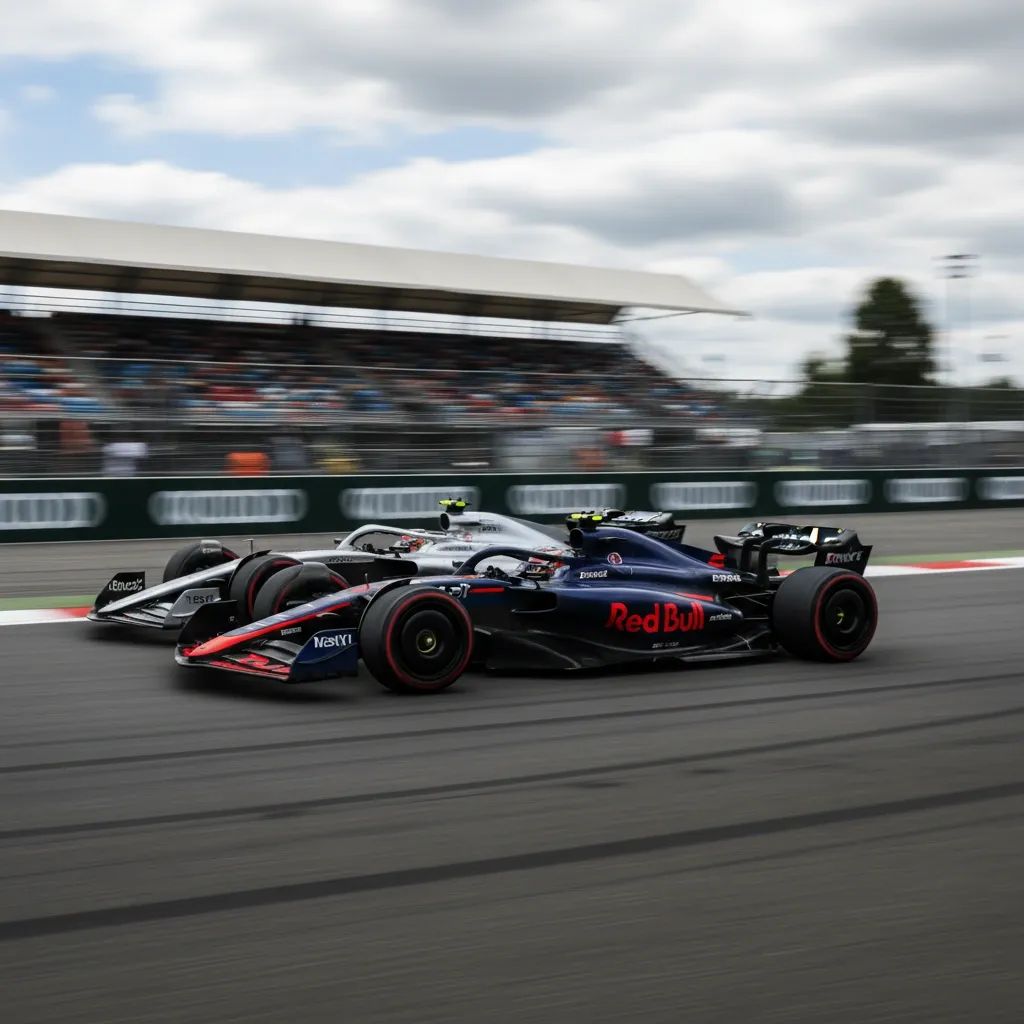
The Formula 1 leadership has confirmed that ongoing discussions regarding the 2026 hybrid power units are intensifying ahead of the Miami Grand Prix in early May. Stefano Domenicali, CEO of Formula 1, acknowledged in an interview with Autosport that the current regulations require improvements following feedback from teams, drivers, and the FIA (Fédération Internationale de l'Automobile).
"It's evident that the regulations need improvement," Domenicali stated. "We have meetings this week and next, ahead of the Miami Grand Prix, to determine what can be done to improve or modify the situation." The FIA is expected to announce modifications before the May 1st weekend.
The 2026 Hybrid Formula Challenges
The 2026 Formula 1 regulations introduced a radical power split: combustion engines and electric motors each contributing approximately 50% of total output. The regulations were designed to promote overtaking and showcase sustainability through 100% biofuels. However, early-season racing has revealed significant challenges in managing the hybrid power delivery.
The core issue centers on energy management during qualifying and race conditions. Drivers must balance deploying their "boost button" to access stored electric power with "harvesting" mode, where they recharge their battery and sacrifice straight-line speed. This constant trade-off has created unpredictable performance dynamics that concern both drivers and officials.
The Suzuka Incident and Speed Differential Concerns
On March 29 at the Japanese Grand Prix at Suzuka, the challenges became starkly apparent. British driver Oliver Bearman (Haas) collided with Franco Colapinto's Alpine at the Spoon Curve, with the incident highlighting the significant speed differentials possible between cars managing energy differently.
Haas team principal Ayao Komatsu placed the blame on the speed differential, exonerating Colapinto. The incident prompted the FIA to launch an immediate review, acknowledging the role of the 2026 machinery in exposing vulnerabilities related to energy management.
Veteran drivers including Fernando Alonso, Carlos Sainz, Lando Norris, and Charles Leclerc have publicly expressed concerns about the unpredictability of the current hybrid system. The relentless need to manage battery charge forces driving strategies dominated by techniques like "lift and coast" (releasing the throttle early to recover energy rather than braking late) and sudden speed variations when battery reserves are depleted.
What F1 Plans to Address
Domenicali has called for the FIA to announce changes before the Miami Grand Prix, targeting both qualifying and race formats. The primary objectives are:
Qualifying improvements: Allow drivers to push without energy-saving compromises, restoring the spectacle of maximum-attack pole position battles.
Race consistency: Address driver concerns regarding unpredictable speed differentials and battery management vulnerabilities during racing.
Technical discussions are ongoing between the FIA, teams, power unit manufacturers, and drivers. The discussions are being accelerated by the April calendar gap—the Bahrain and Saudi Arabian Grands Prix were canceled due to escalating regional conflict—which has provided additional time for consultations before Miami.
The FIA made some modifications during qualifying at the Japanese Grand Prix and continues to evaluate options for the upcoming races. Domenicali has confirmed that improvements addressing both qualifying performance and race energy management are being prioritized in these discussions.
What This Means for Residents
For motorsport enthusiasts and professionals in Italy—home to Ferrari, AlphaTauri (now RB), and other industry stakeholders—the regulatory discussions carry significance. Ferrari has publicly supported calls for improvements to the current formula, signaling that the hybrid system's current configuration presents challenges even for competitive teams.
The outcome of these discussions will shape the competitive balance and technical direction of Formula 1 heading into the Miami Grand Prix and beyond, with final modifications expected to be announced before the May 1st weekend.


