
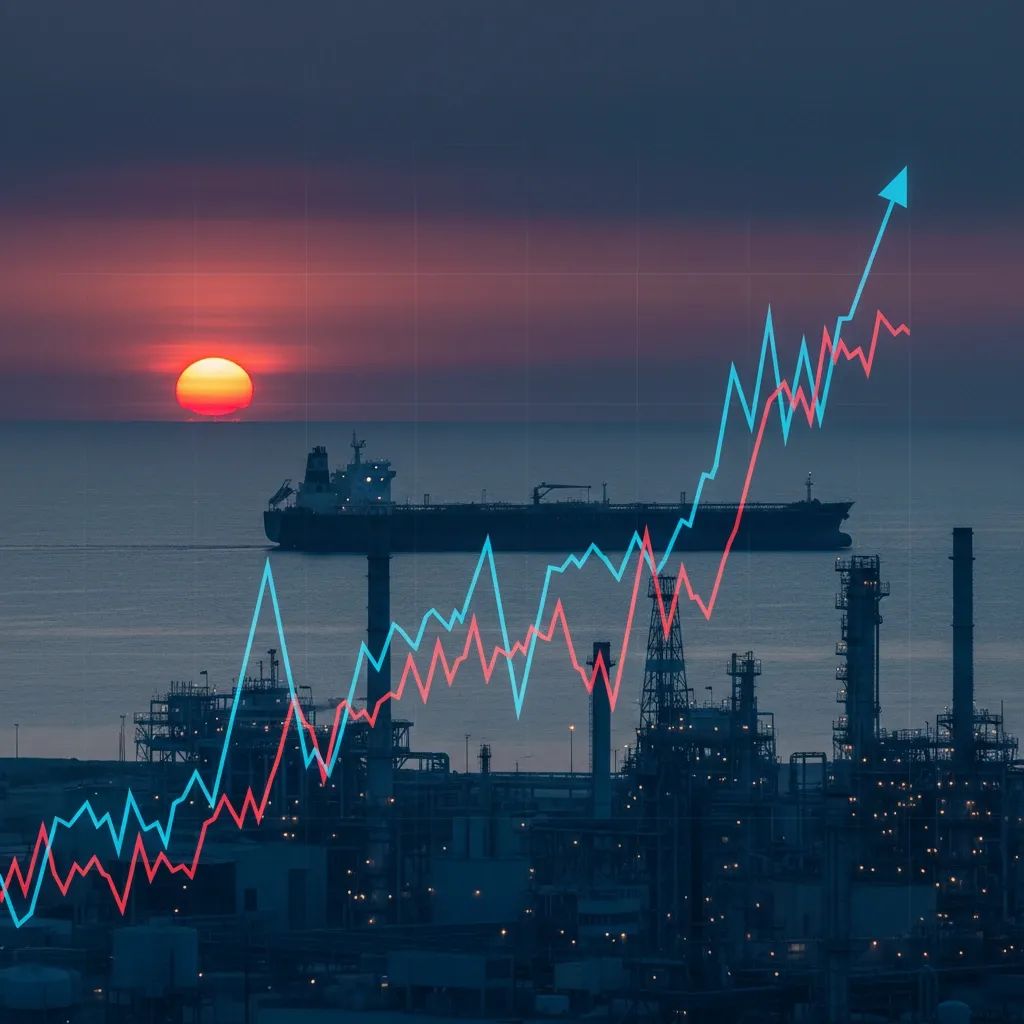
The Italian National Institute of Statistics (Istat) has confirmed that inflation surged to 2.8% in April 2026, marking a sharp acceleration from the 1.7% recorded in March. The spike places household budgets under renewed pressure, driven primarily by an energy price shock linked to geopolitical tensions affecting global energy markets.
The Numbers: What Changed
• Energy costs jumped sharply: Unregulated energy prices leapt from -2.0% to +9.9%, while regulated energy tariffs climbed from -1.6% to +5.7%.
• Food prices accelerated: Unprocessed food inflation rose from 4.7% to 6.0%, pushing the "shopping basket" index up to 2.5%.
• Monthly spike: Consumer prices increased 1.2% month-on-month, the steepest single-month jump in recent months.
What's Behind the Rise
The primary driver of April's inflation surge is an energy-price shock linked to the Iran war, which has disrupted global oil and gas supply chains. This geopolitical instability has pushed energy costs sharply higher across Europe, with immediate consequences for Italian households and businesses.
The shopping basket index, which tracks everyday essentials like food, personal care, and household products, rose to 2.5% from 2.2%. Unprocessed food inflation—fresh produce, meat, dairy—accelerated to 6.0%, putting particular strain on lower-income households that dedicate a larger share of their budgets to groceries and utilities.
Mixed Picture Across the Economy
Istat's data reveals a divergent picture across different spending categories. Core inflation—which strips out volatile energy and fresh food prices—actually declined to 1.6% from 1.9% in March. This suggests that the inflationary spike is concentrated in energy and food sectors directly exposed to international commodity markets.
Some service categories are showing more restraint. Recreation, culture, and personal care services slowed to 2.6% from 3.0%, while transport-related services decelerated from 2.2% to 0.5%. The divergence between goods inflation (up to 3.2%) and services inflation (down to 2.4%) reflects the uneven impact of the energy crisis.
The harmonized index (IPCA), which factors in seasonal sales adjustments, posted a 2.9% annual rise and a 1.7% monthly jump due to the end of winter clearance sales.
What This Means for Your Budget
For Italian residents, the practical impact is clear: energy bills and grocery costs are rising noticeably. Lower-income households are especially vulnerable, as they spend a higher proportion of their budgets on essentials like food and utilities. While some discretionary spending categories like entertainment and personal services are cooling slightly, the overall squeeze on household purchasing power is real and immediate.
Fuel prices at the pump have also reflected the energy shock, contributing to overall cost pressures across the economy. For families and businesses relying on transport—whether for commuting or commercial operations—the cumulative effect of energy price increases is significant.
What Comes Next
Istat's data underscores the momentum already embedded in Italy's economy. The April spike reflects real pressures affecting household budgets across the country, with energy and food costs at the center of residents' financial concerns. As global energy markets stabilize or face further disruption, these price dynamics will remain a key factor shaping Italy's economic outlook and household purchasing power in the months ahead.


