
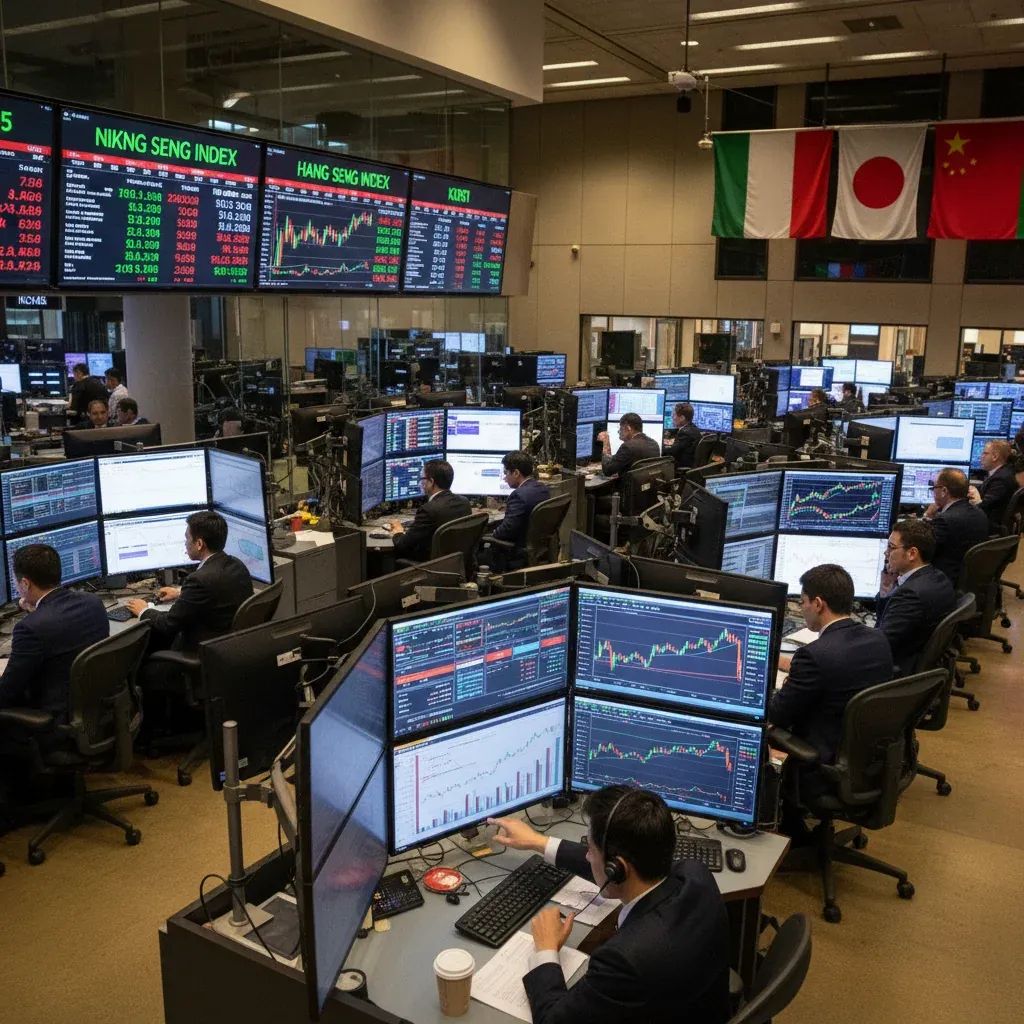
Asian markets surge on Hormuz hopes: What a possible agreement could mean for Italy
Asian stock markets rallied Wednesday amid reports of negotiations between the United States, Iran, and Oman regarding the Strait of Hormuz. The rally reflects investor optimism that a potential agreement could stabilize the critical shipping chokepoint and ease global oil prices.
Why This Matters for Italy
The Strait of Hormuz is one of the world's most important energy passages, with significant implications for Italian energy costs:
• Potential energy cost relief: If negotiations succeed in reopening secure shipping lanes, oil prices could decline further, which could reduce fuel expenses for Italian transport and logistics firms and ease inflation pressure on household budgets.
• Market sentiment: The rally in Asian markets signals renewed investor confidence, which may carry into European and Italian markets as trading opens.
• Energy security: Stable passage through Hormuz is critical for European energy security, including Italy's liquefied natural gas imports that supply the continent as it reduces dependence on Russian pipeline gas.
Asian Markets Rise on Optimism
Japan's Nikkei index climbed over 3%, while Seoul's main gauge advanced 4%. Shanghai rose 1.4%, Shenzhen gained 1.8%, Hong Kong advanced 0.3%, and Sydney edged up 0.9%. European futures pointed to modest gains at the open, reflecting cautious optimism pending official confirmation of any agreement.
Oil prices declined on the reports: West Texas Intermediate and Brent crude both fell, reflecting reduced concerns about Hormuz disruption.
What Negotiations Could Mean
According to reports, negotiators are discussing a provisional agreement framework. The specifics of any final arrangement have not yet been confirmed. General potential provisions under discussion include:
• Separate inbound and outbound shipping routes to prevent collisions
• A trial period with both sides maintaining the option to reassess
• Mechanisms to ensure safe passage for international vessels
Implications for Italian Households and Businesses
Lower oil prices would ripple through diesel and gasoline costs at the pump, potentially easing expenses for Italy's road-freight network, airlines, courier services, and manufacturers dependent on petroleum. Energy-intensive industries such as steel, ceramics, and chemicals could reclaim margins as input costs decline.
For consumers, lower energy costs could support the broader disinflationary trend that Italian central bankers have been monitoring. Italian companies with exposure to Asian equities and supply chains in East Asia would benefit from the improved market sentiment.
Critical Context: Negotiations Remain Ongoing
It is important to note that this remains a provisional negotiation. No final agreement has been signed. The outcome depends on further diplomatic discussions among all parties. Markets have priced in substantial optimism, but any complications—renewed tensions, last-minute disagreements, or domestic political pressures—could reverse recent gains.
Next Steps
Traders and policymakers will watch for official statements from Washington, Tehran, and Oman to confirm details of any agreement. Italian investors should monitor developments as they unfold, while maintaining realistic expectations given the provisional nature of current negotiations.


