
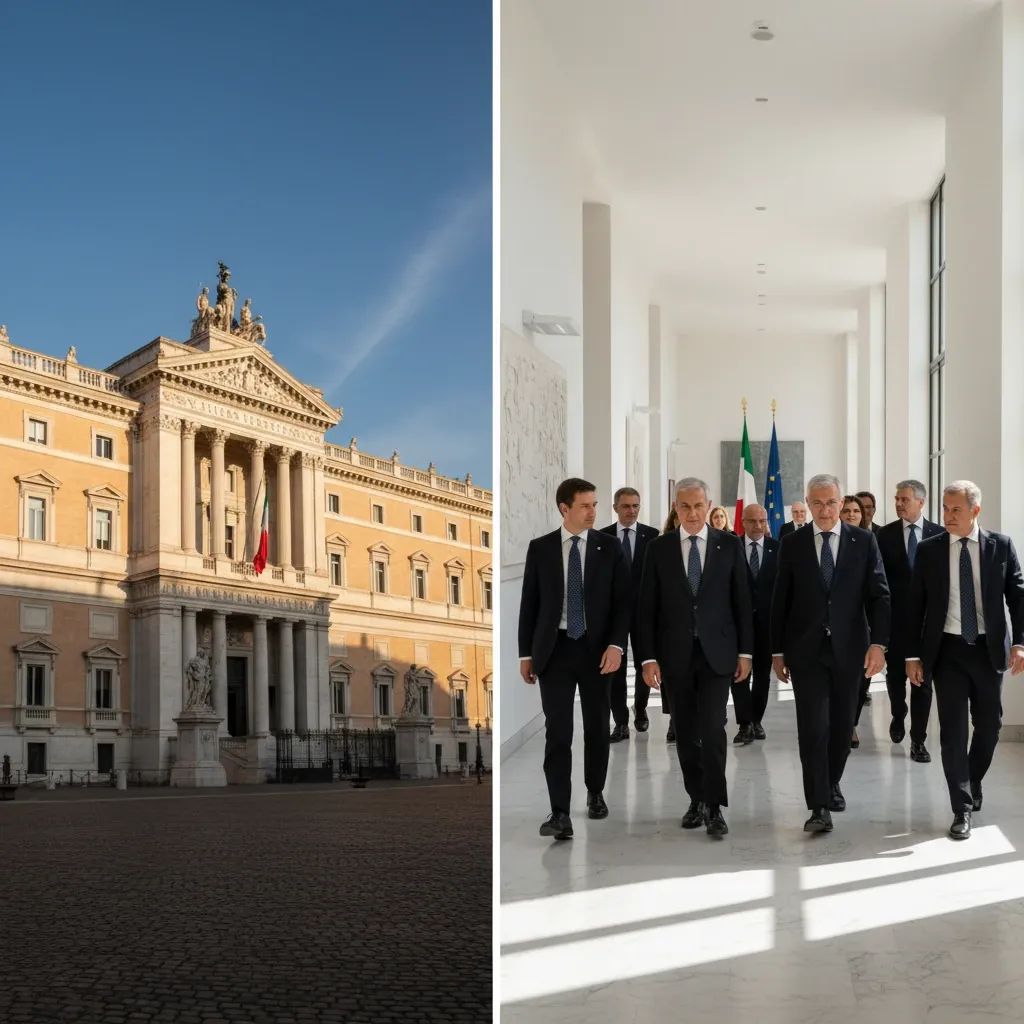
Italy's Deputy Prime Minister and Infrastructure Minister Matteo Salvini has publicly called for veteran investigative journalist Sigfrido Ranucci to step back from hosting the long-running public broadcaster program "Report," citing the arrest of a businessman implicated in a bombing targeting the journalist. The demand injects political pressure into what authorities characterize as a serious criminal case in which Ranucci is the victim.
Why This Matters:
• Public funding scrutiny: Salvini argues taxpayer money should not support anyone "involved in this sad affair" until clarity emerges about the details of the case.
• Press freedom flashpoint: Opposition figures and journalism unions view the intervention as political interference in editorial independence at RAI, Italy's state broadcaster.
• RAI programming disrupted: The broadcaster has already suspended "Report" reruns and launched internal compliance reviews while criminal proceedings unfold.
The Bombing and Arrest
In October 2025, an explosive device detonated outside Ranucci's residence in Pomezia, damaging vehicles but causing no injuries. On August 10, 2026—nearly ten months later—Italian prosecutors arrested Valter Lavitola, a businessman with a complex personal history, on charges related to the bombing incident. According to court documents and investigative reporting, authorities have developed a case involving alleged co-conspirators, though details remain subject to ongoing judicial proceedings.
Ranucci, who had previously described Lavitola as a source for investigative work, expressed shock at the allegations. Prosecutors have characterized Ranucci as a victim of the situation, with no evidence suggesting his complicity in the bombing.
Salvini's Demand: "Take a Pause"
Speaking to reporters on August 11, Salvini framed his position as a matter of fiscal responsibility and public trust. "Italians deserve clarity, and until clarity is made about the relationship between Ranucci and Lavitola, I believe Italian public money should no longer go to finance someone involved in this sad affair," he stated. When pressed on whether "Report" should continue without its host, he replied affirmatively, adding: "I have nothing against him personally. I repeat, I believe those directly involved in this murky affair should take a pause."
The intervention marks a rare direct call by a Cabinet minister for personnel changes at RAI, raising constitutional questions about executive interference in journalistic operations. Italy's public broadcaster operates under parliamentary oversight through the Vigilance Commission, but ministerial demands for specific editorial decisions test boundaries between legitimate scrutiny and political censorship.
Ranucci's Response and Legal Position
Ranucci and his legal team have characterized the journalist as a victim targeted both by criminal actions and by subsequent political and media pressure. According to reports, his attorneys have filed complaints against individuals and outlets they view as making inflammatory accusations. Ranucci's legal defense has emphasized that conflating victimhood with wrongdoing sets a dangerous precedent for journalists who become targets of crime.
RAI's internal compliance reviews add another layer of complexity, potentially subjecting Ranucci to bureaucratic proceedings independent of criminal proceedings. The broadcaster has not disclosed a timeline for concluding its ethics reviews, leaving Ranucci's professional status uncertain.
What This Means for Residents
The controversy extends beyond this specific case, touching on fundamental questions about media independence and accountability in Italy's public broadcasting system. RAI operates on a €1.7 billion annual budget drawn largely from household license fees, making its editorial choices a legitimate matter of public interest. Yet the spectacle of a sitting minister demanding personnel changes risks chilling investigative journalism precisely when scrutiny of powerful interests matters most.
For viewers, the immediate impact is programming disruption. RAI's Approfondimento division has shelved summer reruns of "Report" pending judicial developments. The "Report" newsroom has issued statements regarding the situation, while discussions about potential interim arrangements have surfaced, though no formal decisions have been announced.
The timing coincides with separate scrutiny of "Report" over editorial decisions in recent years. Right-leaning political parties have criticized specific documentaries produced by the program, and the RAI Ethics Commission has reopened reviews of programming practices. Critics, including the National Federation of the Italian Press (FNSI), describe the parallel investigations as part of a broader pattern of pressure on one of the country's most prominent investigative platforms.
Political Context and Coalition Dynamics
Salvini's intervention exposes tensions within Italy's governing coalition. While Salvini's Lega party and coalition partners have all expressed criticism of "Report" in recent months, the directness of calling for a journalist's removal is notable. Opposition parties have seized on the remarks as evidence of concerning trends in media-politics relations, though formal parliamentary responses remain limited as lawmakers are largely on summer recess.
The Vigilance Commission, which holds oversight authority over RAI, typically moves slowly, and any formal hearings would likely occur after the summer break ends in September.
Broader Implications for Press Freedom
Italy ranks 41st out of 180 countries in Reporters Without Borders' World Press Freedom Index, with longstanding concerns about political influence over RAI and legal intimidation of investigative reporters. The situation surrounding Ranucci demonstrates how criminal cases—even those where a journalist is the victim—can intersect with political pressure.
International press freedom organizations are monitoring developments. Article 19, an international watchdog group, has noted that tying a journalist's professional standing to unresolved allegations about private associations creates potential risks for press independence.
The government counters that financial transparency in public broadcasting is a legitimate concern, distinct from editorial interference. Ministers argue taxpayers have a right to ensure public funds support journalistic integrity. The challenge lies in execution: when politicians dictate personnel decisions rather than demanding systemic accountability through proper oversight channels, the distinction between legitimate oversight and editorial interference becomes blurred.
As Italy moves forward, the situation remains in flux. Ranucci's status at "Report"—and the program's broader future—will depend on judicial outcomes, internal RAI decisions, and whether broader public discourse prioritizes press independence or focuses on other dimensions of the case.


