
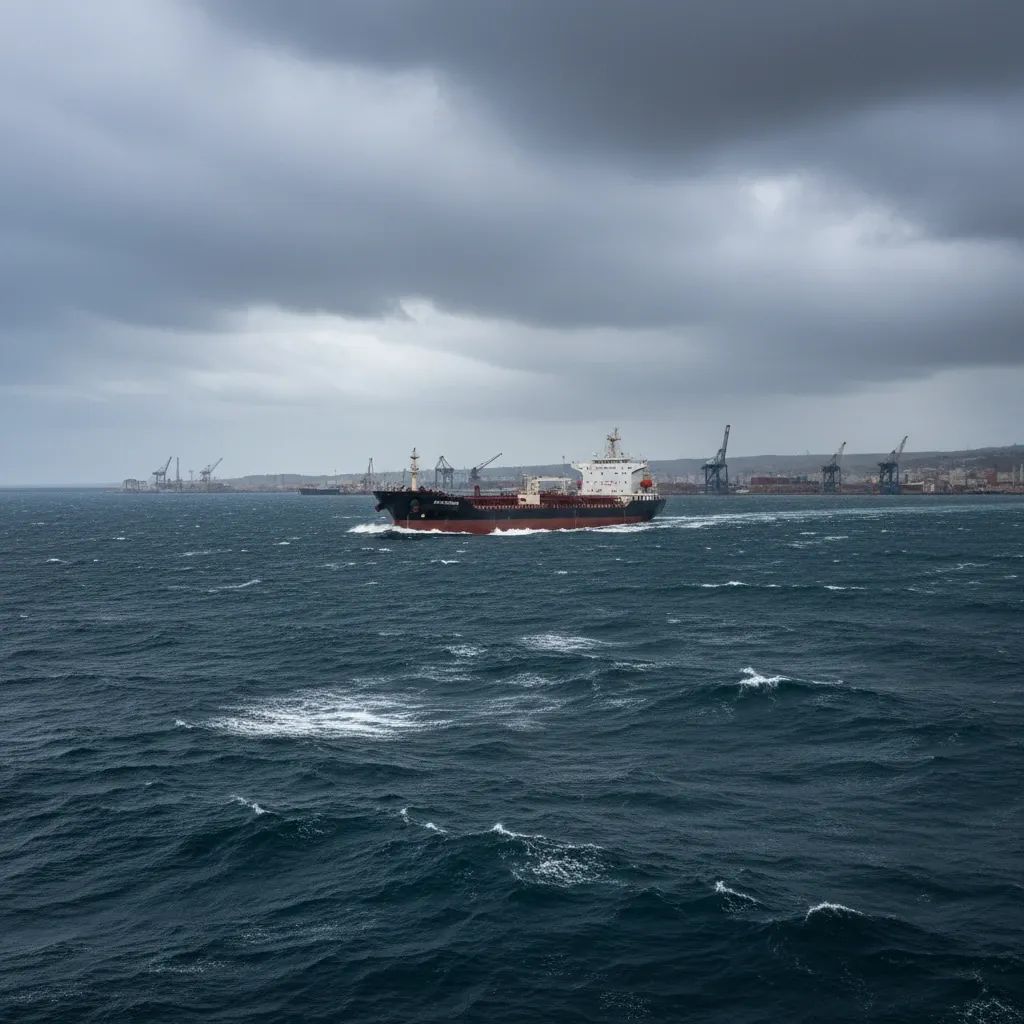
The West Texas Intermediate (WTI) crude benchmark climbed 1.45% to $76.31 per barrel on the New York Mercantile Exchange, while the Brent international standard advanced 1.71% to $80.81. For residents in Italy, this movement reflects ongoing volatility driven by geopolitical tensions that is already affecting fuel costs, inflation expectations, and the trajectory of European Central Bank interest rate policy.
Why This Matters
• Inflation pressure: Higher crude prices translate directly to elevated gasoline and diesel costs at Italian pumps, with knock-on effects for transport-dependent sectors.
• ECB policy: Persistent oil-price rallies complicate rate-cut timelines, potentially delaying relief for mortgage holders and business borrowers.
• Geopolitical premium: The current surge is driven by tensions in the Strait of Hormuz, which handles roughly 20% of global oil and gas flows, underscoring supply fragility.
The Geopolitical Context: Strait of Hormuz
At the heart of current oil-market volatility lies the Strait of Hormuz, the narrow chokepoint between Iran and Oman through which a significant portion of the world's petroleum transits. Recent tensions and disruptions in the region have heightened concerns about supply interruptions. For Italy, which imports roughly 90% of its oil and gas, any prolonged disruption in the Gulf translates directly into higher import bills and strained refinery operations along the Adriatic and Tyrrhenian coasts.
The broader geopolitical climate—including regional conflicts and diplomatic challenges—continues to keep a premium baked into crude prices. This structural risk is unlikely to dissipate in the near term.
What This Means for Italian Residents
At the Pump: Italian households should anticipate continued upward pressure on fuel costs. The price surge reflects real constraints on global oil supply, meaning pump prices are likely to remain elevated through the coming months.
For Businesses: Logistics, agriculture, and manufacturing sectors face sustained pressure from elevated fuel and energy costs. These industries, vital to Italy's economy, are operating in an environment of constrained margins. Transport companies are already signaling potential surcharges, which will feed through to consumer prices for goods.
For Savers and Investors: Italian savers with exposure to energy equities may see volatility. However, the broader macroeconomic drag from high oil prices tends to weigh on equity indices over time, as consumer spending weakens and corporate profit forecasts are revised downward.
Analyst Expectations and Risks
Analyst perspectives on where crude prices are headed vary. Most market observers expect elevated prices to persist through the third quarter of 2026, with some moderating decline anticipated toward year-end. However, these forecasts carry significant uncertainty.
Upside risks: Should the Strait of Hormuz experience further disruptions or regional tensions escalate, prices could spike substantially above current levels.
Downside risks: A faster-than-expected resolution of supply constraints, stronger-than-anticipated production increases from non-OPEC producers, or a sharper global economic slowdown could pressure prices downward.
The Monetary Policy Connection
A critical factor for Italian savers and borrowers is the relationship between oil prices and interest rates. The European Central Bank closely monitors oil-driven inflation when setting policy. Sustained high oil prices delay the interest-rate cuts that mortgage holders and small businesses have been anticipating. This dynamic adds a second layer of economic pressure beyond the direct cost of fuel.
Conversely, a weaker U.S. dollar—which tends to support oil prices—can partially cushion euro-denominated import costs, though this benefit is modest compared to the pain of higher absolute price levels.
The Road Ahead
For Italy, every sustained increase in global crude prices carries real economic weight. The nation's energy-import bill rises meaningfully with every upward move in Brent, straining both household budgets and industrial competitiveness. Policymakers remain focused on managing the transition, but the immediate levers are limited.
The key variables ahead remain geopolitical stability in the Gulf region, the trajectory of global demand, and the pace of supply responses from producers worldwide. Italian residents and businesses will continue navigating a period of elevated energy-cost uncertainty until clearer signals emerge from these global forces.


