
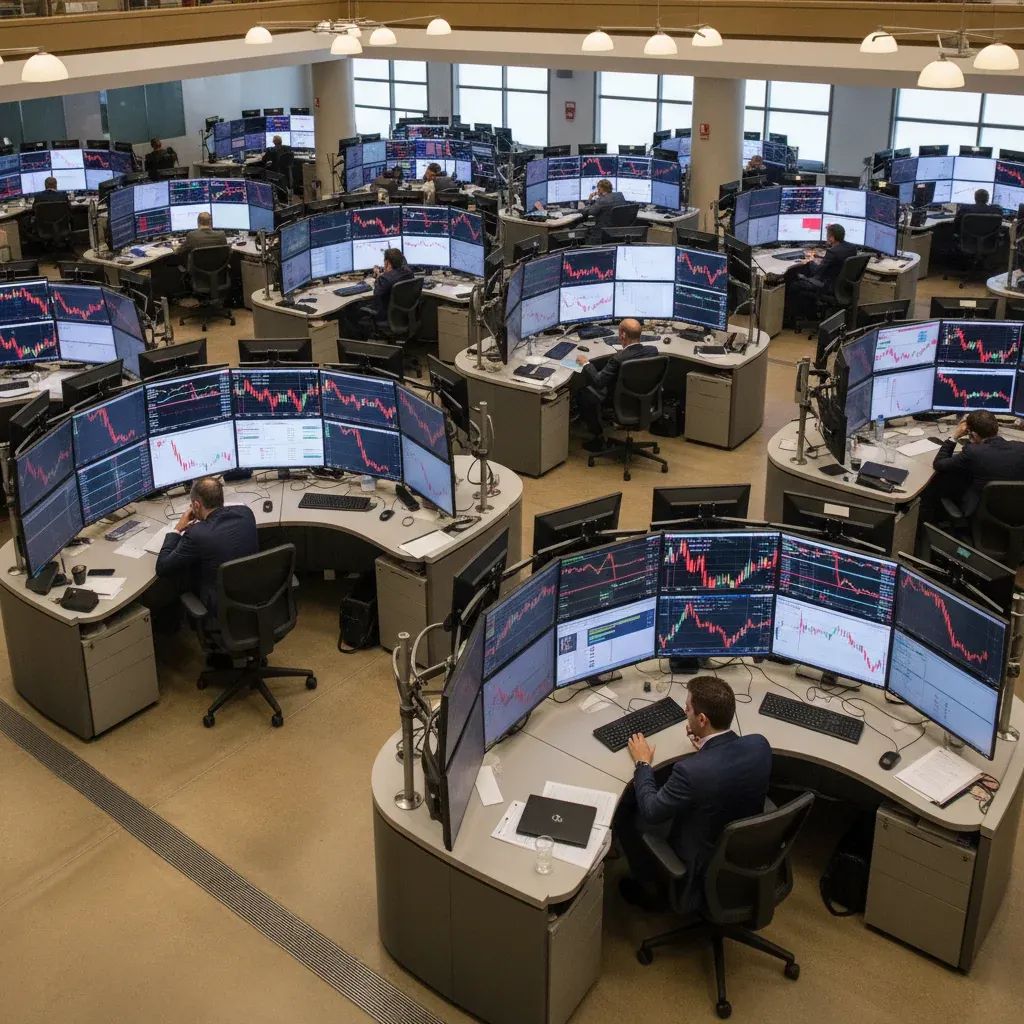
Italy-based investors and businesses woke up today to West Texas Intermediate (WTI) crude trading at 85.61 dollars per barrel in New York, marking a 2.42% surge that reflects escalating geopolitical tension and tightening global supply. For a country that imports virtually all of its petroleum needs, this rally carries direct consequences: higher fuel costs at the pump, elevated logistics expenses for Italian businesses, and renewed inflationary pressure on consumer goods.
Why This Matters
• Fuel prices rise: Every dollar added to the barrel translates to roughly 0.60 euro cents per liter at Italian service stations within two weeks.
• Inflationary ripple: Transport, manufacturing, and food sectors—cornerstones of Italy's economy—face margin compression or potential cost increases passed to consumers.
• Investment signal: Energy equities and inflation hedges are gaining attention as investors monitor volatile markets.
The Geopolitical Context Behind the Rally
The current price surge reflects broader geopolitical tensions affecting global energy supplies. Concerns over Middle Eastern stability and potential disruptions to key shipping routes have contributed to market movements. These supply uncertainties are particularly relevant for Italy, which relies heavily on crude imports from the Middle East and North Africa, making the country vulnerable to energy market shocks.
Supply Factors and Market Dynamics
Beyond geopolitical considerations, structural supply dynamics continue to influence crude prices. Production decisions by major oil-producing nations and their impact on global supply balances remain key factors supporting energy prices. Combined with moderating demand signals, these dynamics are keeping global energy markets attentive to price movements.
What This Means for Italy Residents and Businesses
For households across Italy, the immediate effect will be felt at the fuel pump and utility bill. Gasoline and diesel prices, already elevated compared to pre-pandemic levels, are expected to rise further. A sustained crude price above 85 dollars typically adds approximately 8 to 12 euros to the monthly fuel budget of an average Italian household that relies on personal vehicles.
Small and medium enterprises—the backbone of Italy's economy—face cost pressures. Logistics firms, food processors, and manufacturers dependent on petroleum-derived inputs will experience cost structure shifts. Many are renegotiating supplier contracts and evaluating pricing strategies. Retail food prices could experience upward pressure if crude remains elevated, according to economic analysts tracking energy costs.
The tourism sector, a pillar of Italy's GDP, is also monitoring developments. Higher energy costs could have downstream effects on transportation and hospitality expenses, potentially affecting travel patterns and business operations.
European Market Context
European financial markets are monitoring energy price movements closely. Rising crude costs typically prompt defensive positioning in equity markets, with energy sectors and inflation-sensitive stocks drawing particular attention. Bond markets have also reflected broader economic uncertainty, with yield fluctuations following geopolitical developments.
Analyst Perspectives on Price Outlook
The outlook for crude prices remains subject to significant uncertainty. Market analysts have offered varied forecasts depending on assumptions about geopolitical resolution, supply dynamics, and global demand. Consensus estimates suggest continued elevated price levels through 2026, though specific forecasts diverge based on different assumptions about when supply concerns may ease.
Positioning for Volatility
For Italy-based investors, the current environment presents both risk and opportunity. Energy equities and inflation-protective assets are attracting interest as investors navigate energy price uncertainty. However, the broader economic backdrop warrants caution, as sustained elevated energy costs could re-accelerate inflation pressures already being monitored by policymakers.
The European Central Bank and national authorities remain vigilant about energy cost impacts on price stability and economic growth. How geopolitical situations develop will significantly influence the trajectory of energy prices in the coming months.
The Broader Implications
Today's WTI price of 85.61 dollars per barrel reflects the convergence of geopolitical concerns and supply market dynamics. For Italy, a nation deeply integrated into global energy markets and reliant on imported hydrocarbons, managing through this period of elevated energy costs will require attention to household budgets, business planning, and broader economic resilience. The path forward for energy markets remains uncertain, demanding continued vigilance and adaptability from both policymakers and market participants.


