
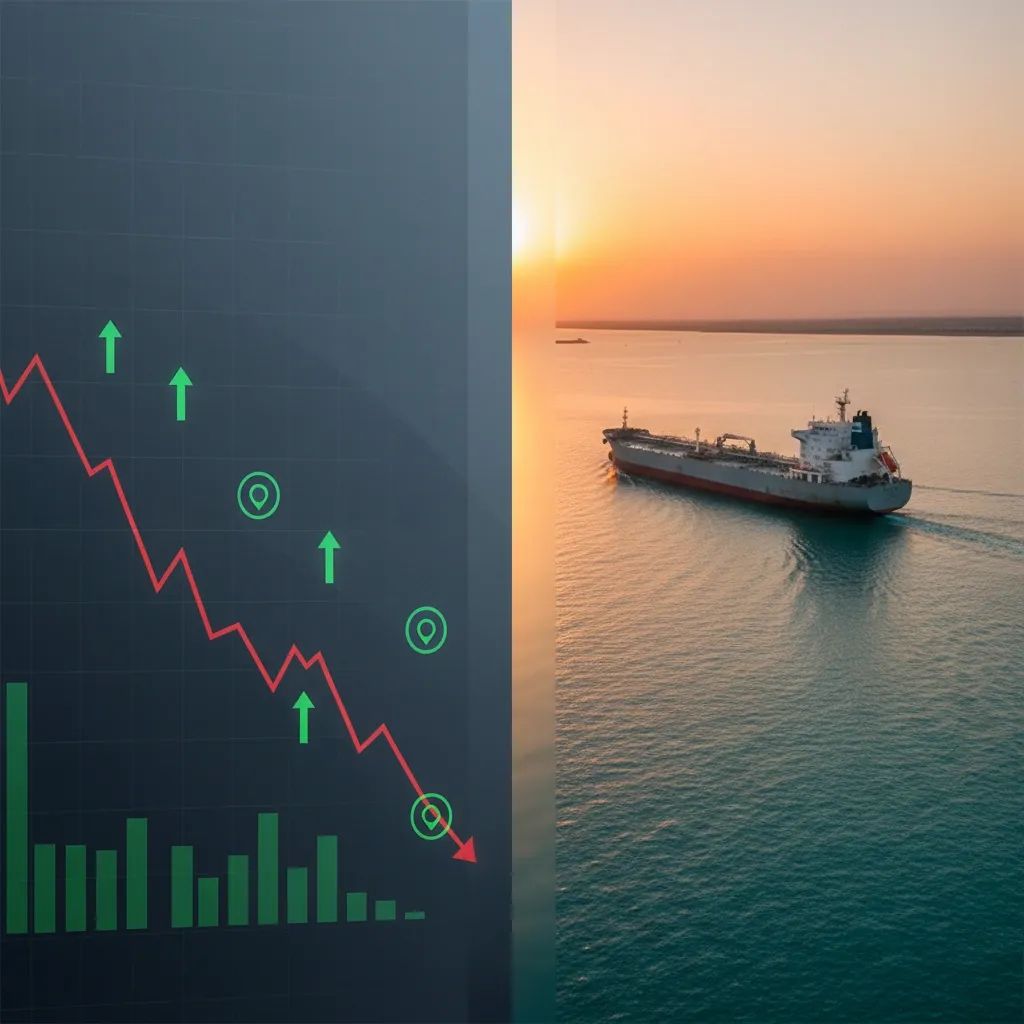
Global oil prices have declined sharply, with Brent crude falling below $87 per barrel and West Texas Intermediate (WTI) dropping to $81.48. This pullback will translate into cheaper fuel costs at Italian pumps over the coming weeks—though how much consumers ultimately save depends on the euro's strength and Italy's substantial fuel tax structure.
Why This Matters
• Brent crude has fallen significantly to below $87 per barrel, while WTI stands at $81.48
• August forecasts from major analysts anticipate prices stabilizing in a range, a development that benefits Italy's import-dependent economy
• Fuel prices at the pump typically lag behind crude oil movements, meaning reductions will arrive gradually over several weeks
• Italy's substantial fuel tax burden limits how much of the oil-price drop reaches drivers' wallets
Volatile Market Conditions
Italy's energy markets remain closely monitored by policymakers as crude prices experience significant swings. Recent volatility in global oil markets has been driven by various geopolitical concerns and supply considerations affecting major producing regions. The summer of 2026 has seen periods of heightened uncertainty, though some stabilization has emerged as tensions have eased.
Crude prices remain elevated compared to earlier in the year, reflecting geopolitical premiums that have influenced summer markets. Analysts continue to assess the impact of supply-side developments and shifting demand patterns on future price trajectories.
What This Means for Residents
For households and businesses in Italy, falling crude prices promise relief at the fuel pump and in heating bills—but the relief will be partial and delayed. The Italian government's fuel pricing structure ensures that roughly 60% of what drivers pay comprises fixed excise duties and value-added tax, which do not fluctuate with crude oil prices. The remaining 40%—covering crude cost, refining, and distribution margins—will gradually decline as cheaper barrels reach Italy's refining hubs.
The lag between crude price declines and pump price reductions is well documented. Distributors cite inventory dynamics: fuel sold today was often purchased weeks earlier at higher prices. Expect pump prices to ease over a four-to-six-week horizon, assuming no fresh supply disruptions emerge.
Beyond the pump, Italy's status as a net energy importer means lower oil prices support the broader economy. Cheaper crude can narrow the trade deficit, free up household purchasing power, and ease inflationary pressure. Yet the benefit depends partly on the euro-dollar exchange rate: oil is priced in dollars, so currency fluctuations will influence the actual savings for Italian consumers.
Looking Ahead
Energy analysts continue to monitor global oil markets closely, with attention focused on supply developments and demand trends. The energy transition in Italy is proceeding, with battery-electric and hybrid vehicles gaining market share. However, Italy remains significantly reliant on oil imports to power its refineries and fuel its transport network, making energy market stability an important economic consideration.
Any future disruptions to crude supplies will reverberate through Italy's energy markets, underscoring the strategic importance of diversification and continued investment in renewable energy infrastructure.


