
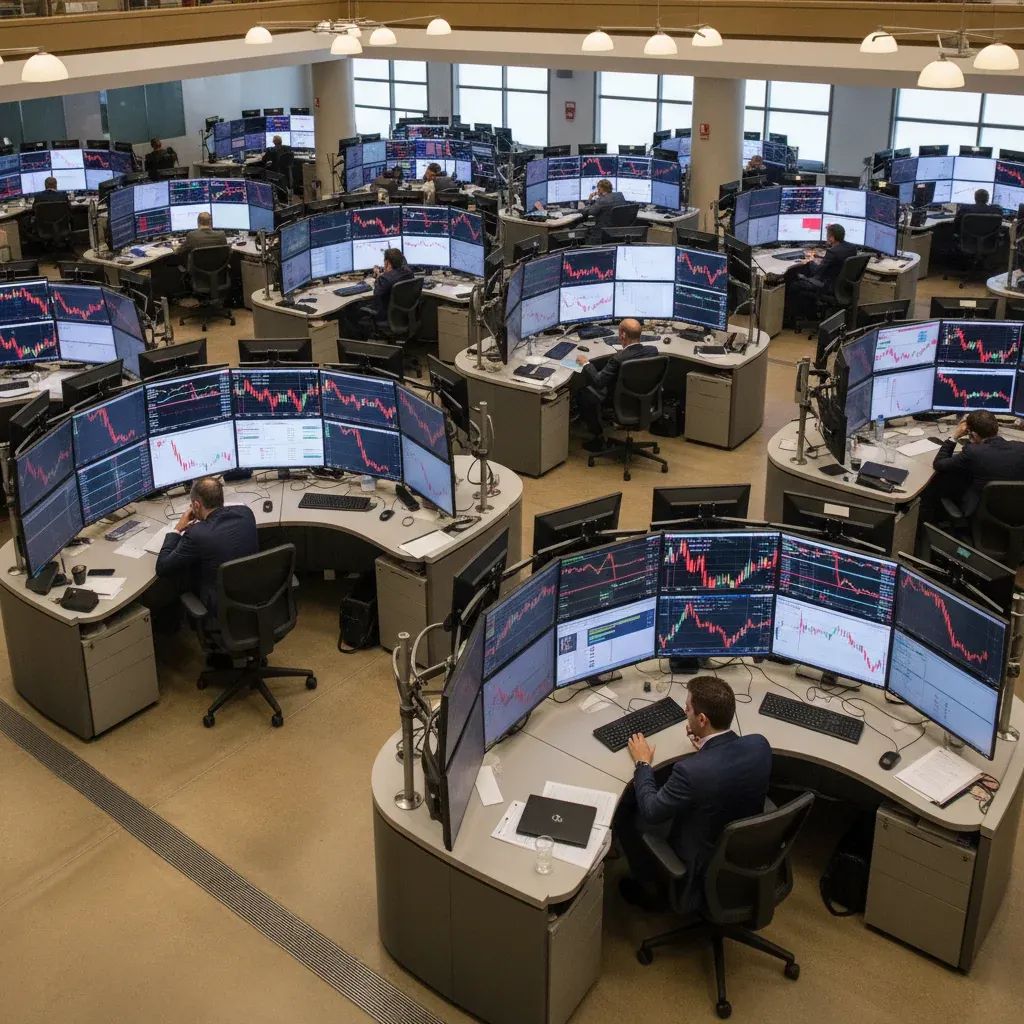
Oil markets have crossed the $100-per-barrel threshold again, with Brent crude trading at $100.41 per barrel today and West Texas Intermediate (WTI) at $91.72 per barrel. The surge is driven by escalating tensions in the Middle East, particularly around the Strait of Hormuz, which carries approximately one-fifth of global oil trade and remains a critical chokepoint for energy supplies to Europe.
Why This Matters
• Transport and heating costs will likely climb across Italy as refiners respond to higher crude prices by adjusting fuel and utility bills.
• European natural gas prices remain elevated, driven by concerns over potential supply disruptions from the Gulf region and Middle Eastern LNG exports.
• Supply concerns: The Strait of Hormuz, a crucial corridor for oil and gas flows, is vulnerable to disruption amid regional military tensions. Houthi forces in Yemen have also attacked shipping vessels in the Red Sea.
• Limited fiscal room: The Italian government has restricted capacity for new energy subsidies, constraining its ability to shield consumers from price spikes.
Regional Tensions and Market Impact
The current price spike follows escalating military tensions between the United States and Iran. The Strait of Hormuz, a narrow waterway between Iran and Oman, is vital to global energy supplies, and any disruption to shipping through this corridor could significantly impact oil availability and prices worldwide.
Yemen's Houthi militia—backed by Iran—has threatened shipping in the Red Sea, another key route for Middle Eastern oil exports. These geopolitical risks are contributing to the volatility in crude markets and uncertainty about future energy availability in Europe.
What This Means for Italian Households and Businesses
For residents and companies in Italy, rising oil prices typically translate to higher costs at the pump and on energy bills. Every significant increase in Brent crude prices historically feeds through to retail gasoline and diesel costs within weeks, as well as affecting electricity and heating bills that depend on natural gas and oil-based generation.
Italy's energy supply is supported by diversified sources, including Algerian pipeline gas, regasified liquefied natural gas from various suppliers, and strategic gas storage reserves. However, European energy prices have risen significantly, and any prolonged disruption to Middle Eastern supplies could put additional pressure on Italian consumers and businesses.
The Italian government has introduced targeted energy support measures, though EU fiscal rules limit the scope for broad-based subsidies. This means households and businesses should expect ongoing pressure on energy costs if the current geopolitical tensions persist.
The Outlook
Energy analysts suggest that the trajectory of oil prices depends largely on whether regional tensions escalate or de-escalate in the coming weeks. A resolution to current hostilities could allow prices to moderate, while further deterioration in the security situation could sustain or increase upward pressure on crude costs.
European policymakers are balancing immediate energy relief for consumers against longer-term commitments to renewable energy transition and climate goals. The European Commission has outlined support packages for vulnerable households and clean-energy investment, though the effectiveness of these measures in offsetting near-term price pressures remains uncertain.
Broader Energy Implications
Beyond crude oil, the crisis affects global liquefied natural gas trade, with a significant portion of LNG exports from the Middle East dependent on passage through the Strait of Hormuz. Disruptions to LNG flows could compound pressure on European gas prices, which have already risen substantially from early-2025 levels.
For Italian consumers and businesses, the message is clear: energy price volatility remains a significant challenge. Strategic planning—such as securing fixed-rate energy contracts, investing in efficiency improvements, or hedging fuel costs—has become increasingly important in managing exposure to global energy market shocks.


