
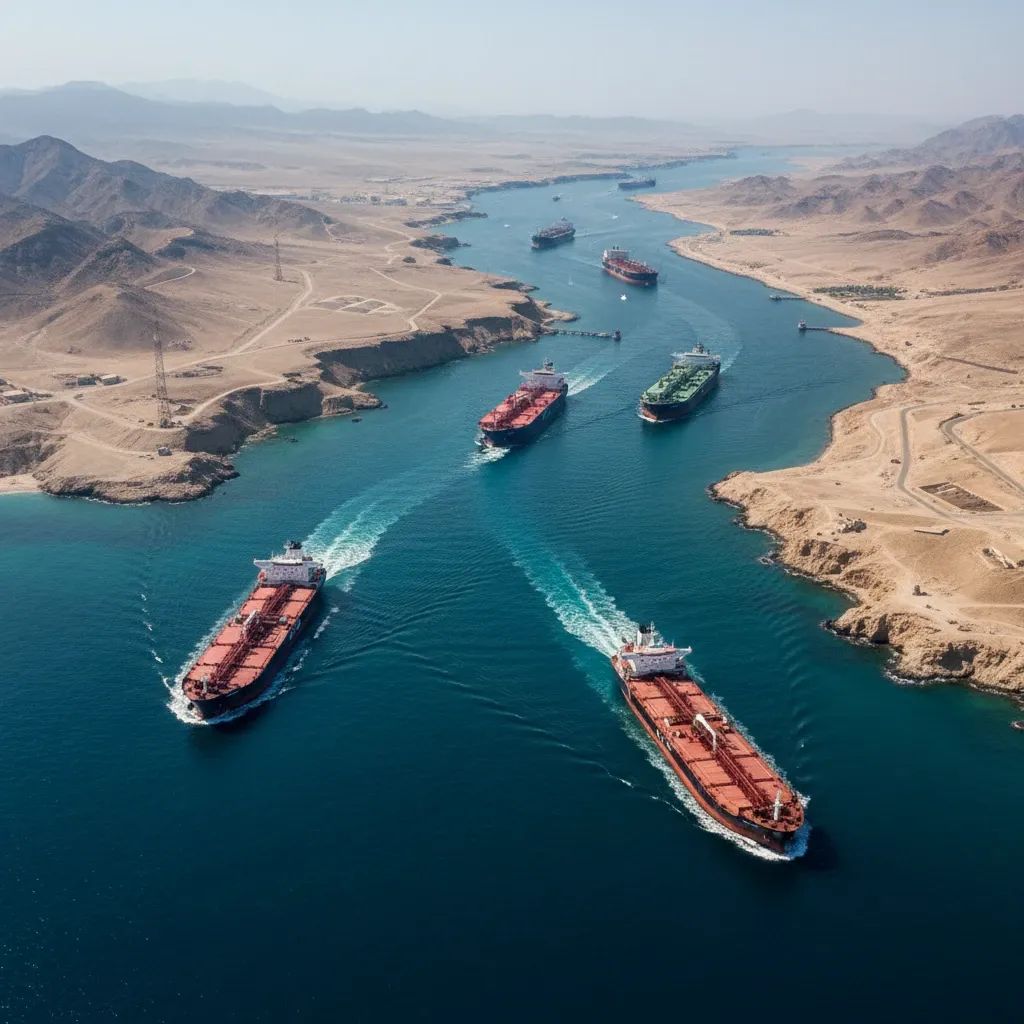
Italy's Energy Challenge: Strait of Hormuz Oil Supply Cuts Ripple Across Europe
A significant disruption in global oil supplies has emerged from the Strait of Hormuz, with the International Energy Agency (IEA) reporting a supply shortfall of 1.8 million barrels per day—the largest deficit in five years. The United States Energy Department confirmed that approximately 9 million barrels of oil per day transit the strait by tanker, with regional pipeline flows bringing the total to roughly 15 million barrels daily.
The Supply Crisis at a Glance
The IEA's latest oil-market report attributes the supply gap to "renewed hostilities and maritime disruptions" in the region. This narrow waterway between Iran and Oman carries roughly one-fifth of global seaborne petroleum and liquefied natural gas, making any disruption a significant risk to international energy markets.
Current market indicators:
• Brent crude trading near $88.83 per barrel
• West Texas Intermediate at $83.01 per barrel
• Global oil inventories at their lowest level since April 2025
The IEA simultaneously revised downward its 2026 global demand forecast, reducing projections by 1.6 million barrels per day as high prices force consumers to reduce consumption.
Why This Matters for Italy
Italy is directly exposed to global energy price movements. According to the IEA, roughly 12% of oil and 14% of liquefied natural gas reaching the European Union arrive via the Hormuz Strait. With the EU's overall import dependence at 57% of total energy needs, supply disruptions transmit quickly to European markets.
Potential impacts include:
• Upward pressure on fuel prices at Italian gas stations
• Increased costs for heating oil and natural gas
• Higher transportation expenses affecting food and goods distribution
• Pressure on airline operations serving Mediterranean and international routes
Broader European Consequences
The energy shock presents challenges across the eurozone. Refineries in Rotterdam and Marseille now face pressure to meet regional diesel and jet-fuel demand. Analysts suggest that sustained supply disruptions could affect aviation schedules, particularly on long-haul routes.
Maritime insurance premiums have increased for tankers navigating the Persian Gulf, raising freight costs that ultimately affect consumer prices through extended supply chains.
What Analysts Are Watching
Energy market specialists are monitoring several factors:
• Price trajectory: Current spot prices represent a modest market adjustment, but analysts warn that if disruptions persist, structural tensions in the market could intensify
• Demand destruction: The IEA's significant demand revision suggests that high prices are already causing consumers to reduce consumption
• Supply recovery timeline: The duration of maritime disruptions will determine how long elevated prices persist
The Organization of the Petroleum Exporting Countries has acknowledged that price-induced demand erosion is affecting global consumption patterns.
Central Bank Responses
The energy shock complicates monetary policy decisions. The European Central Bank had signaled potential easing earlier this year, but renewed energy cost pressures may prompt policy reconsideration. Central bankers must balance growth concerns against upward price pressures in their policy decisions.
Looking Ahead
Until maritime conditions stabilize and supply flows normalize, energy markets will remain sensitive to developments in the Hormuz Strait. Italian consumers, businesses, and policymakers should monitor global energy market developments closely, as international oil-price movements directly affect domestic fuel, heating, and transportation costs.


