
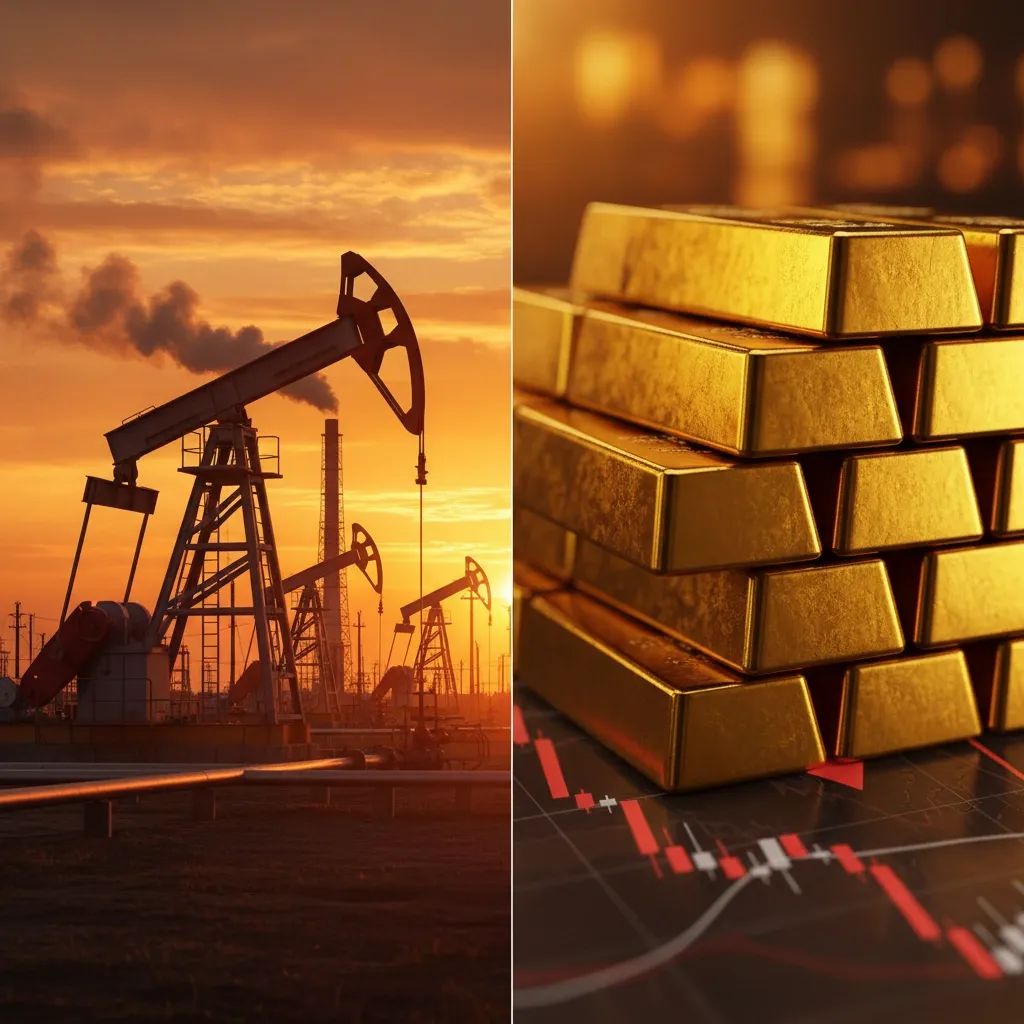
The Italy energy market faces mounting pressure as crude oil prices surge past $113 per barrel, driven by escalating geopolitical tensions in the Middle East. U.S. President Donald Trump has threatened Iran with military strikes on infrastructure if it does not reopen the Strait of Hormuz and engage in nuclear negotiations. This standoff threatens to disrupt roughly 20% of the world's crude oil supply that transits through the Strait of Hormuz, a critical maritime chokepoint.
Why This Matters for Italy
• Fuel prices at the pump: Italians already facing elevated energy costs can expect further increases in gasoline and diesel prices as WTI crude oil hit $113.69 per barrel—up nearly 87% year-on-year.
• Inflation pressure: Energy price shocks directly feed into consumer inflation, putting pressure on household budgets across Italy.
• Economic growth concerns: Energy disruptions can erode household purchasing power and business margins, weighing on Italy's already modest economic growth prospects.
The Strait of Hormuz: Global Energy's Critical Chokepoint
The narrow waterway between the Arabian Peninsula and Iran represents the single most critical energy chokepoint on the planet. Approximately 20-21 million barrels of crude oil per day pass through the strait during normal operations, accounting for roughly one-fifth of global oil trade. Any significant disruption to this route sends immediate shockwaves through energy markets worldwide.
For Italy and the European Union, the consequences are direct and severe. Europe depends heavily on Middle Eastern crude that traverses Hormuz. If the strait were to close, rerouting tankers around the Cape of Good Hope would add weeks to transit times and substantially increase shipping costs, directly feeding into consumer prices. Italian airlines and logistics companies would face particularly acute exposure as fuel buyers scramble to secure alternative supplies at premium rates.
Implications for Italian Households and Businesses
Rising crude prices extend far beyond the gas station. Italy-based manufacturers reliant on petrochemical inputs face cost pressures, while transport and logistics costs rise across supply chains. The agricultural sector is also vulnerable, as fertilizer raw materials transit through Hormuz, and disruptions could drive up food production costs at a time when Italian consumers are budget-conscious.
Consumer confidence impacts are already visible. As energy and food costs absorb a greater share of disposable income, real household income erodes. Retail spending, a key engine of Italy's modest economic growth, risks stalling if energy prices remain elevated.
Market Dynamics and Supply Response
OPEC+ has announced production increases in an effort to stabilize volatile markets, though relief remains limited if physical supplies cannot reach buyers due to the Hormuz situation. The effectiveness of these measures depends entirely on how the geopolitical situation develops and whether transit routes remain open.
The Road Ahead
The immediate outlook remains uncertain. A negotiated settlement could rapidly deflate oil prices and restore supply chain stability, while a protracted standoff would keep energy costs elevated and weigh on Italy's economic growth. Italian policymakers are monitoring the situation closely, with contingency plans under consideration to help shield consumers and businesses from sustained energy price pressures.
For Italian households and enterprises, the message is clear: remain prepared for sustained volatility in fuel costs and monitor energy price developments closely in the coming weeks.


