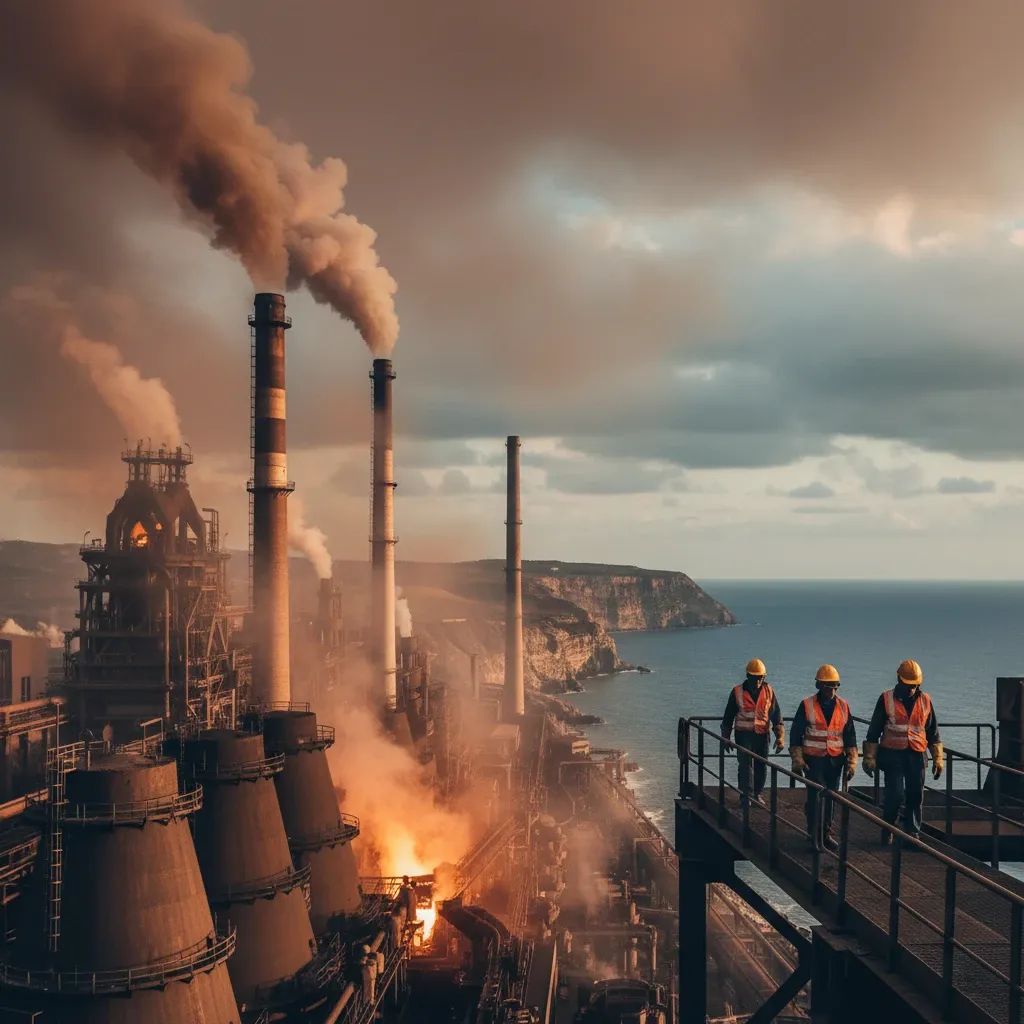
The Libyan Army successfully restored operations at the critical Mellitah gas complex on July 28, 2026, after protesters briefly shut down the facility that morning. The swift military intervention averted potential energy disruptions and restored gas flows to Italy via the GreenStream pipeline within hours.
What Happened:
• Brief blockade resolved: Demonstrators frustrated with prolonged power outages temporarily halted operations at the Mellitah complex in the morning
• Rapid government response: Prime Minister Abdul Hamid Dbeibah ordered immediate military deployment to secure the facility
• Gas supplies restored same day: The GreenStream pipeline resumed normal operations, securing Italy's gas deliveries by evening
The facility, which processes 30 million cubic meters of gas daily for export to Sicily, was blockaded by protesters amid a severe heatwave and chronic electricity shortages. The Libyan National Oil Corporation (NOC) had warned that an extended shutdown could disrupt the national electricity grid and European energy supplies. However, the government's swift action prevented such an outcome.
Why This Matters for Italy
For households and businesses across Italy, the Mellitah complex represents a critical energy source. The GreenStream pipeline delivers approximately 30 million cubic meters of Libyan gas to Italian territory each day—a substantial portion of the nation's energy mix. With Italy importing roughly 96% of its natural gas needs, any sustained disruption to this flow would carry immediate economic consequences.
Italian energy giant Eni operates the Mellitah facility through its joint venture with the Libyan National Oil Corporation. The company has invested billions in Libyan infrastructure and recently brought the Sabratha Compression Project online in June 2026, boosting Libya's gas production capacity. An even larger initiative—the $8 billion Structures A & E offshore development—is expected to deliver 750 million cubic feet of gas daily once operational.
Libya currently supplies almost 20% of Italy's crude oil imports in 2026, making it a critical energy partner. This strategic relationship has prompted Italian policymakers to maintain close diplomatic and commercial ties with Libyan authorities despite the country's ongoing political challenges.
What the Incident Reveals
While the blockade lasted only hours, it demonstrates both the vulnerability of Europe's energy infrastructure and the capacity of Libyan authorities to respond decisively when critical facilities come under threat. The incident underscores the persistent risk profile of Libyan energy infrastructure, which has faced repeated disruptions since 2011 due to political instability, militia activity, and maintenance challenges.
The protest action reflects deeper grievances within Libya, where electricity shortages have plagued daily life despite government efforts to stabilize the power grid since 2021. Citizens across the country endure frequent blackouts, particularly during summer months when air conditioning demand surges. The Dbeibah administration has invested in generation capacity and transmission infrastructure, achieving measurable improvements between 2023 and 2025, but outages remain a chronic irritant.
The Broader Energy Context
Italy's energy strategy depends on maintaining stable import flows from multiple sources, including North Africa, the Caspian region, and liquefied natural gas (LNG) terminals. Libya remains central to this diversification effort, particularly as Europe continues moving away from Russian gas sources.
Libya's political landscape remains fractured between rival governing authorities, with the Tripoli-based Government of National Unity led by Dbeibah controlling the west while competing institutions hold sway in the east. This division complicates efforts to manage national infrastructure and negotiate with international partners. For energy operators like Eni, navigating this environment requires constant coordination with multiple authorities and contingency planning.
Despite security challenges, Libya continues advancing major infrastructure projects. The Structures A & E project—which includes two offshore gas fields and a carbon capture facility at Mellitah—represents the largest single investment in Libyan energy infrastructure in over a decade. Eni leads this development alongside the NOC, betting that political conditions will stabilize sufficiently to justify the long-term capital commitment.
Italy's strategic interest extends beyond energy purchasing. Rome has pursued a model of combined engagement that pairs energy investments with security cooperation and institutional capacity building—reflecting recognition that Italian energy security depends partly on the functional stability of North African partners.
For now, the quick resolution of the Mellitah blockade allows both Libyan authorities and European energy planners to continue normal operations. Gas flows north across the Mediterranean uninterrupted, power plants in Italy maintain normal output, and production at the El Feel and Wafa fields has resumed fully. The incident serves as a reminder of the importance of maintaining stable relationships with energy suppliers and the capacity of governments to respond effectively when critical infrastructure faces temporary disruptions.