
Rome has finalized preparations for what will become Italy's 13th military and reconstruction package bound for Ukraine, marking a deliberate escalation of support even as parliamentary debate grows fractious over the scale of sustained commitment. The decision crystallized during a telephone exchange between Italy's Foreign Minister Antonio Tajani and Ukrainian counterpart Andrii Sybiha on August 24, coinciding with Ukraine's 35th independence anniversary.
Why This Matters
• What arrives: The package includes air-defense systems, power generators for critical infrastructure, and support for reconstruction efforts, with details to undergo parliamentary security committee review.
• Timeline reality: The classified decree undergoes parliamentary security committee review in the coming months; formal adoption expected before year-end.
• The money trail: Italy has committed approximately €3.2 billion to Ukraine's reconstruction, plus €3 billion spread across previous military packages, totaling €6.2 billion in declared assistance since 2022.
• Grain security connection: Italy's diplomatic efforts emphasize Black Sea grain corridor security, which influences cereal and bread supply stability for European markets including Italy.
The Defense and Reconstruction Focus
The package centers on air-defense capabilities and energy resilience. Italy is coordinating with European partners—particularly France—on air-defense systems to counter Russian aerial threats. Additionally, the package includes industrial-scale power generators destined for hospitals, educational institutions, and water treatment facilities, recognizing that winter survival depends on energy accessibility as much as military defense.
This European coordination reflects a broader alliance framework coordinating pressure against Russia. Italy participates as part of the Coalition of the Willing, which brings together multiple nations focused on expanding air-defense capacity and coordinating sanctions against Russian military production.
The Agricultural and Maritime Dimension
Tajani's remarks to Sybiha placed emphasis on Black Sea navigation and Mediterranean shipping security, reflecting Rome's understanding that grain supply chains and military stability now operate as interconnected variables. Italy allocated €4 million to the "Grain from Ukraine" humanitarian initiative through February 2026, channeling funds through the World Food Programme to vulnerable nations where food insecurity poses both humanitarian and geopolitical risks.
Behind diplomatic statements lies tangible reconstruction activity. Italian firms operate within Ukraine's Odessa region executing the "Program to Support the Reconstruction of the Economic Potential of Ukraine's Agro-Food Industry," implemented through partnerships with Ukraine's agricultural ministry and the CIHEAM research institution. Italian equipment suppliers provide support for agricultural modernization, reflecting Italy's role in supporting Ukraine's economic recovery.
Domestic Consensus Under Strain
Italy's institutional support for Ukraine has remained structurally consistent since the Draghi government's 2022 authorization of military aid. Yet the original broad political consensus has fractured substantially. Parliamentary factions within both the ruling coalition and opposition increasingly contest aid magnitude, duration, and transparency protocols.
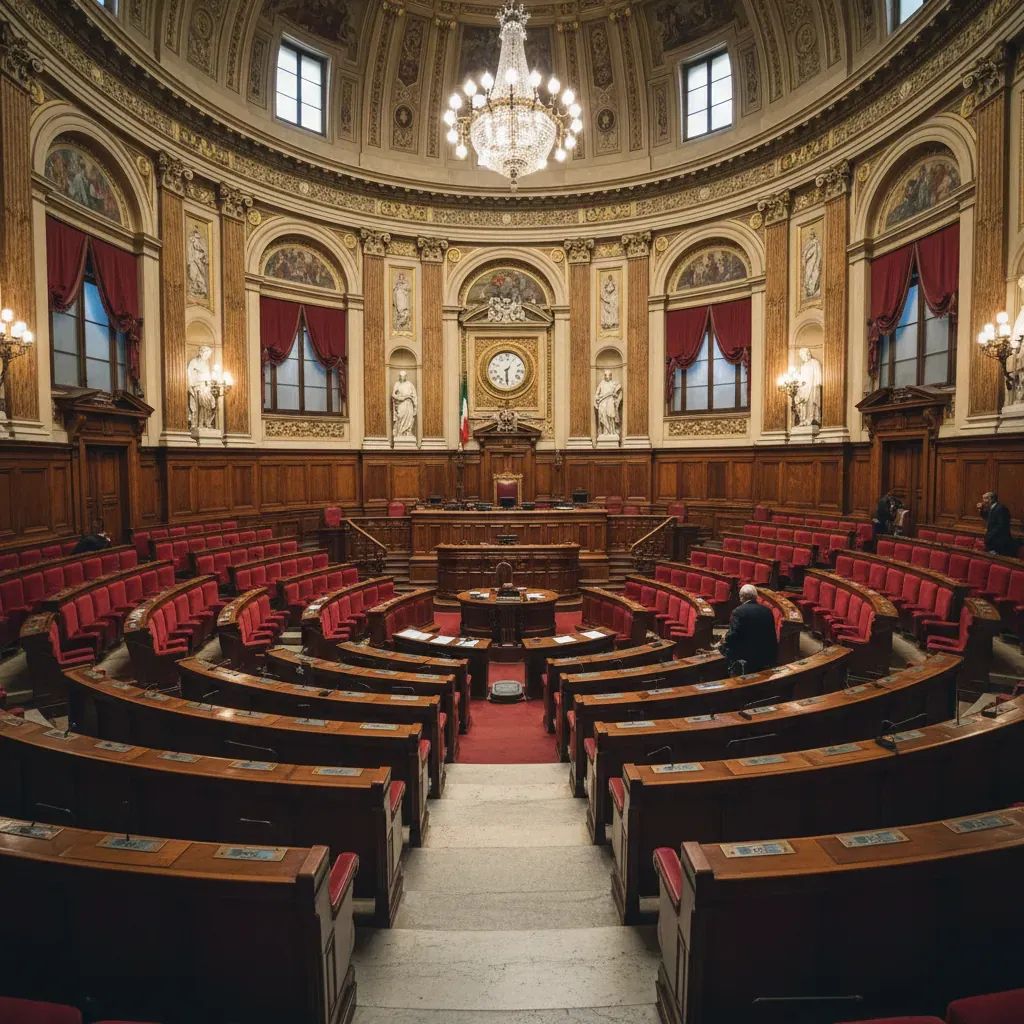
The classified nature of military decrees—reviewed exclusively within closed Copasir (Parliamentary Committee for the Republic's Security) sessions—has generated public scrutiny about parliamentary oversight and institutional accountability. Military hardware details remain officially concealed from public debate, a practice that frustrates transparency advocates while government officials defend it as operationally necessary.
The Meloni administration has maintained its course regardless, framing Ukraine support as foundational to European security architecture and global rules-based order. That commitment found symbolic expression on August 24, when the Foreign Ministry illuminated the Farnesina building in Ukrainian flag colors.
What This Translates To for People in Italy
For residents navigating daily life, Italy's escalating Ukraine commitment produces several concrete consequences worth monitoring.
Public finances: Continuing aid packages directly influence Rome's fiscal allocation decisions. As Italy operates under EU debt-ceiling constraints, Ukraine spending competes directly with domestic priorities—healthcare expansion, infrastructure modernization, expanded welfare provision. Residents should track whether sustained aid levels eventually prompt government adjustments to taxation or domestic budget cuts.
Food affordability: Italy's diplomatic efforts to secure Black Sea grain corridors work to stabilize global agricultural supply, directly affecting supermarket prices and household grocery inflation. Disruptions to Ukrainian grain exports, if unresolved, would pressure European cereal and bread costs upward—an immediate household expense impact.
Business opportunity: Italian firms specializing in defense, aerospace systems, and agricultural equipment position themselves to capture reconstruction-phase contracts. Investors tracking manufacturing exports and procurement opportunities should monitor bidding processes for Ukrainian agricultural projects and defense partnerships launching in 2027-2028.
Strategic positioning: Italy's active participation in European security coordination elevates its voice in NATO and EU negotiations. This geopolitical weight influences future discussions on energy supply agreements, migration policy coordination, and trade terms—variables structuring business environment and resident quality of life.
The 13th assistance package, pending formal parliamentary security committee approval, will extend Italy's operational involvement in Ukrainian support through 2027. That commitment remains simultaneously rooted in alliance solidarity, humanitarian obligation, and the pragmatic calculation that European stability depends fundamentally on Ukrainian territorial integrity remaining intact.


