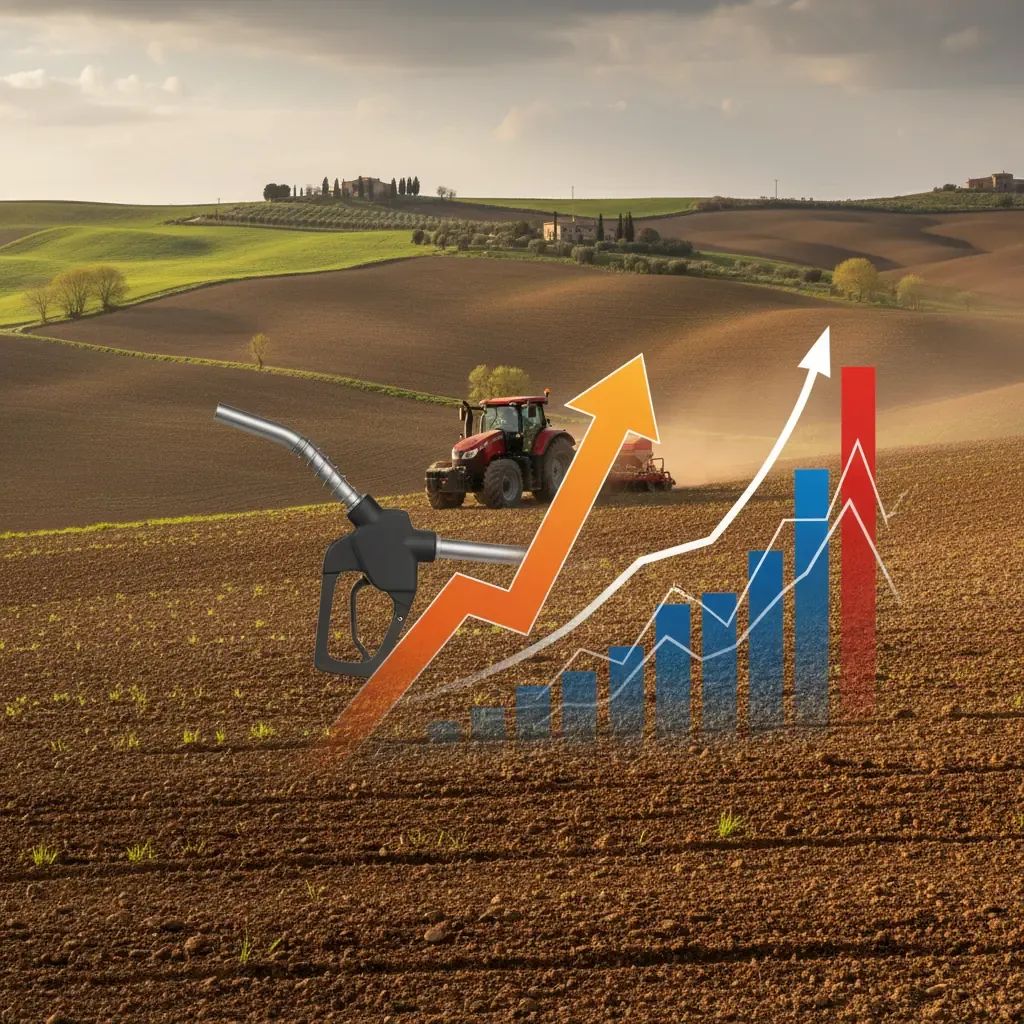
The Italian Cabinet has approved an emergency diesel discount worth €0.17 per liter, a temporary measure running from tonight through August 6. Even with the cut, diesel at self-service stations will remain around €2.00 per liter.
Why This Matters:
• Diesel discount starts tonight: €0.17 per liter reduction runs through August 6
• Focus on diesel: The measure targets diesel exclusively because it's the primary fuel for transport, agriculture, and freight that drives consumer price inflation
• Government cost: The intervention will cost the state approximately €125 million
• Temporary relief: Economy Minister Giancarlo Giorgetti framed the decree as a "bridge measure," with the Cabinet reconvening on August 4 to assess whether conditions warrant an extension or alternative action
Government Perspective
Prime Minister Giorgia Meloni acknowledged the move's limitations in a social media statement, emphasizing that "international tensions are driving fuel prices higher again, and with them, the cost of everything that travels by road." She described the diesel cut as a "rapid and responsible answer" given constrained fiscal resources and a volatile geopolitical landscape, while stressing it does not solve the underlying problem.
What This Means for Residents
For households, the immediate effect is modest: a family driving a diesel car will save roughly €6 to €8 on a full 40-liter tank during the discount window. The real benefit goes to businesses that consume diesel in bulk — trucking firms, agricultural cooperatives, and logistics operators whose fuel bills represent a significant share of operating expenses.
For expats and foreign residents navigating Italy's bureaucracy, the diesel discount requires no paperwork or registration — it applies automatically at the pump. However, those budgeting for road trips or planning to relocate goods should note that the measure expires in ten days, and the government has not committed to renewal.
Funding Controversy and Dropped Proposals
An initial proposal to finance the diesel cut by raising cigarette taxes was scrapped after political pushback and public outcry. Deputy Prime Minister Matteo Salvini of the Lega party declared himself "opposed" to tobacco levies, stating "I don't believe the government will resort to that, and in any case, I'm against it."
Consumer rights group Codacons issued a sharp rebuke, calling the cigarette tax idea "simple madness" and a "fiscal gimmick that would force citizens who refuel to pay for their own discount." The association warned such a measure would constitute discriminatory taxation targeting smokers and invited legal challenges. It urged the government to "put its hands in the pockets of oil companies, not citizens."
Next Steps
The August 4 Cabinet meeting will determine whether the diesel discount is extended, expanded to gasoline, or allowed to lapse. Giorgetti emphasized that the decision will hinge on "the evolution of the international situation and prices" — a tacit acknowledgment that Rome remains reactive to external shocks rather than proactive in energy policy.
For now, residents should expect diesel to hover around €2.00 per liter through early August, with the potential for prices to rebound sharply if the discount expires and no replacement measures materialize.