
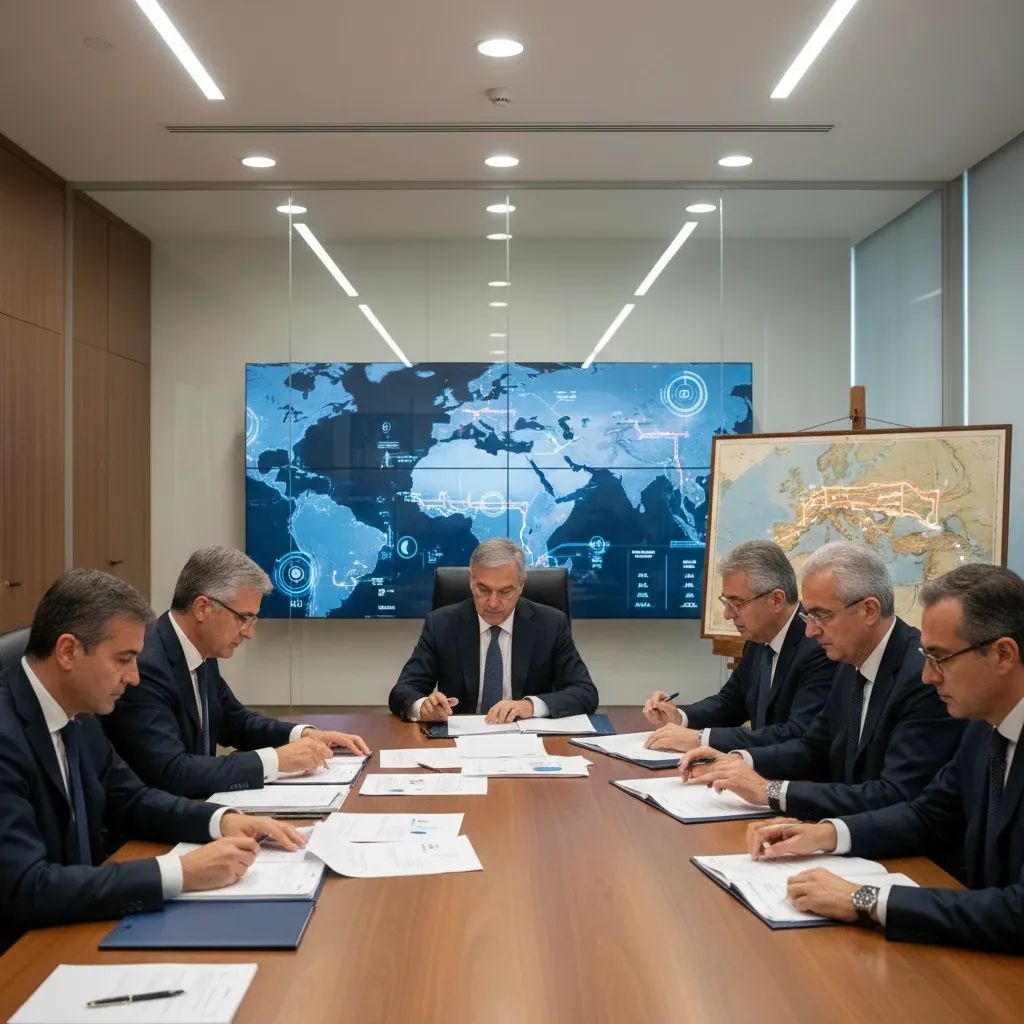
Italy's government held an emergency crisis meeting on Wednesday to assess economic implications of escalating tensions in Iran, with Prime Minister Giorgia Meloni convening her cabinet to analyze potential impacts on energy markets and supply chains.
Government Response and Parliamentary Update
The cabinet session included Deputy Premier Antonio Tajani (Foreign Affairs), Deputy Premier Matteo Salvini (Transport, participating remotely), Defence Minister Guido Crosetto, Economy Minister Giancarlo Giorgetti, and senior staffers. The agenda focused on monitoring developments in the region and their potential consequences for Italy's energy security and economy.
Earlier on Tuesday, the Prime Minister met separately with CEOs from Eni and Snam, the state-controlled energy companies managing Italy's petroleum infrastructure and natural gas distribution. These meetings underscore the government's concern about how international developments could affect fuel availability and prices for Italian consumers and businesses.
Why Energy Matters for Italy
Italy maintains significant energy dependency on global markets, making international commodity price movements particularly relevant to household heating costs, fuel prices, and business competitiveness. Energy-intensive sectors including chemicals, steel, refining, and logistics monitor price developments closely as production costs are affected by global market conditions.
Current commodity market movements are being tracked by government officials and energy regulators as they assess potential economic implications for Italy.
Parliamentary Session Thursday
Foreign Minister Tajani and Defence Minister Crosetto will address both chambers of parliament on Thursday, as constitutionally required during international crises. This formal session will place the government's assessment on record and provide lawmakers the opportunity to question ministers directly about the situation and Italy's response.
Opposition parties are expected to seek specific information about the government's position and plans. Government-aligned deputies will likely highlight the administration's focus on monitoring the situation and protecting Italian economic interests.
What Comes Next
The Meloni administration continues monitoring international developments and coordinating with European counterparts and energy regulators. The government's priority remains understanding potential economic implications for Italy and protecting household and business interests as the situation develops.


