
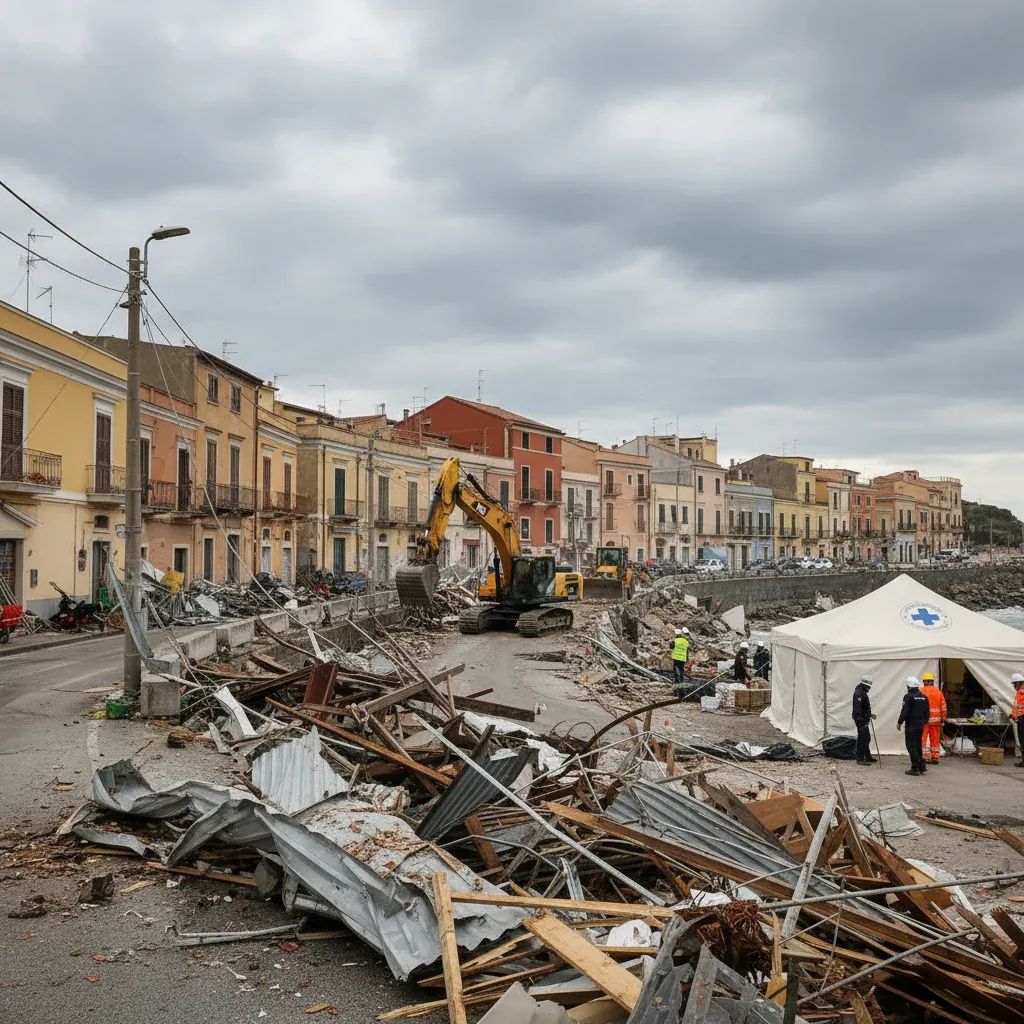
The Italian Cabinet has approved a €3M injection into the National Solidarity Fund for fishing and aquaculture, a move designed to compensate coastal businesses battered by extreme weather between 2024 and 2026.
Why This Matters:
• €3M available for damage claims covering production losses and destroyed infrastructure from January 1, 2024 through December 31, 2026
• Fishing and aquaculture operators who faced flooding, storms, and marine heatwaves can now access compensation under existing regulations
• Climate losses in Italy's fishing industry are estimated at €200M per year according to industry federations—this fund covers just 1.5% of that figure
A Drop in a Rising Sea
Agriculture Minister Francesco Lollobrigida framed the fund as evidence of government commitment to a sector he described as "strategic economic, productive, and social heritage" for Italy. The allocation targets businesses whose assets—nets, boats, hatcheries, storage facilities—sustained damage from natural disasters and exceptional weather events.
In recent years, Italy has experienced increasing frequency of extreme weather events, causing significant disruption to coastal communities. For fishing communities along the Adriatic and Tyrrhenian coasts, these events have translated into smashed docks, ruined harvests, and months of lost income.
What Marine Heatwaves Actually Cost
The fund period—2024 through 2026—coincides with some of the most damaging marine heatwaves on record. Sea surface temperatures spiked well above historical norms, triggering oxygen depletion that killed off mussels and clams in shallow beds. Blue mackerel, sardines, and anchovies—staples of the Italian catch—migrated or vanished altogether as their food sources collapsed.
Marine heatwaves have created severe challenges for aquaculture operators, who face both dead stock and disappearing feed stocks due to temperature changes and ecological disruptions. Without adequate zooplankton and algae, farms that rely on natural nutrient cycles see production plummet.
Confcooperative Fedagripesca, a major industry body, estimates climate-related damage at up to €200M annually for Italy's professional fishing sector alone—a figure that excludes pollution impacts. Against that backdrop, the €3M fund appears modest, yet industry groups have welcomed it as a necessary first step.
How the Money Flows
The fund operates under existing regulatory frameworks, meaning businesses don't face a new application maze. Enterprises that documented losses between January 2024 and December 2026 can file claims for production shortfalls and infrastructure damage. The Ministry of Agriculture, Food Sovereignty and Forests (Masaf) will administer payouts, which aim to cover repair costs for gear, facilities, and lost harvest value.
Eligible businesses include commercial fishing vessels, shellfish farms, and finfish aquaculture operations. To qualify, claimants must demonstrate that damage resulted from officially recognized extreme weather or marine events—floods, storms, heatwaves, or other phenomena beyond normal seasonal variation.
The fund does not cover routine operational losses or market price fluctuations. It is strictly a disaster relief mechanism, designed to restore productive capacity rather than subsidize ongoing operations.
Industry Response: Grateful but Wary
Unci AgroAlimentare and Coldiretti Pesca—two of Italy's largest agricultural unions—have praised the refinancing while calling for a more systematic approach. Both organizations argue that one-off relief packages fail to address the structural vulnerability of a sector facing accelerating climate risk. Industry sentiment indicates a desire to move beyond emergency compensation packages toward long-term investment in prevention, research, and innovation to build resilience.
That sentiment echoes across coastal communities. Fishers and farm operators increasingly view climate adaptation—reinforced infrastructure, cooled storage, diversified species—as more valuable than post-disaster payouts. Yet those upgrades demand capital that most small and medium enterprises lack.
Broader Support Framework
The solidarity fund sits within a broader context of sector support initiatives. Italy has implemented various programs aimed at fleet modernization, infrastructure improvements, sustainability projects, and supply chain development. The European Maritime, Fisheries and Aquaculture Fund (FEAMPA) provides financing for comparable initiatives across the EU period.
Regional authorities also run targeted programs to support fishing and aquaculture businesses through modernization and efficiency improvements.
What This Means for Residents
If you work in fishing or aquaculture and sustained damage from storms, floods, or marine heatwaves between January 1, 2024, and December 31, 2026, you may qualify for compensation. Start by gathering documentation: repair invoices, damage assessments, meteorological records, and proof of lost production. File claims through the Masaf portal or regional agricultural offices.
For coastal communities, the fund represents a buffer against recurring disruption. It won't reverse the long-term trajectory of warming seas or increasingly volatile weather, but it can help a mussel farmer replace destroyed infrastructure or a fishing cooperative repair a damaged dock.
The broader message is that climate adaptation is now a permanent budget line. As extreme events become more frequent, expect continued attention to sector support. The challenge for policymakers—and the industry—is transitioning from reactive relief to proactive resilience.
The Bigger Picture
Italy's fishing and aquaculture sector employs thousands directly and supports entire coastal economies through processing, logistics, and tourism. The food security dimension matters too: domestic production reduces reliance on imports and maintains supply chain sovereignty.
Yet the sector's vulnerability is rising faster than its adaptive capacity. Sea temperatures are climbing, storm frequency is increasing, and ecological disruptions are cascading through marine food webs. A €3M fund cannot reverse those trends, but it can buy time for businesses to adjust, innovate, and survive.
The real test will come in how effectively the money reaches those who need it most—and whether it sparks a broader conversation about building a fishing industry that can withstand the climate of coming years, not just patch up damage from 2024.


