
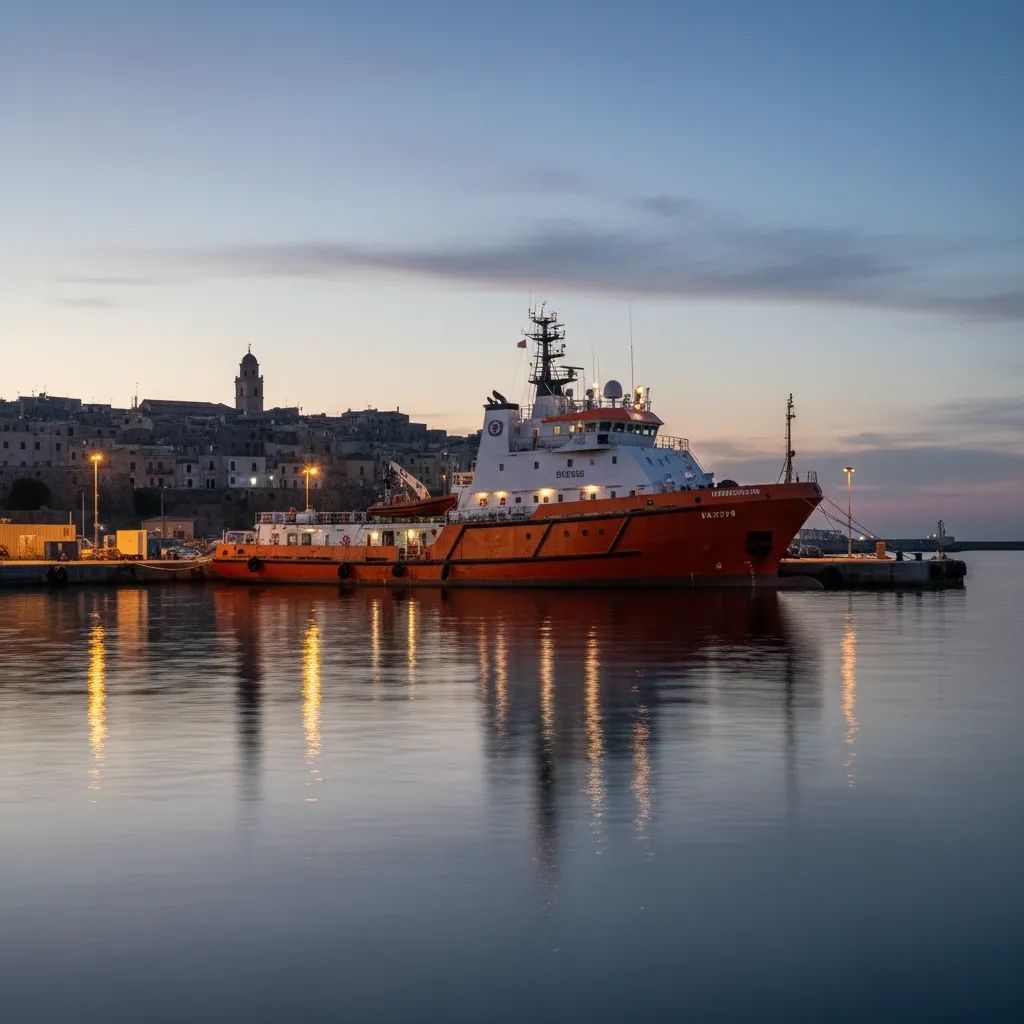
The Palermo Civil Court has instructed Rome to hand over €76,000 to German charity Sea-Watch, a ruling that puts taxpayers on the hook and chips away at Italy’s strategy of detaining migrant-rescue vessels.
Why This Matters
• Tax money at stake: the payout comes directly from the public purse of three ministries and the Prefecture of Agrigento.
• Legal precedent: other humanitarian ships held in Italian ports could now cite the same silenzio-assenso principle to claim damages.
• Wider crackdown under pressure: the decision lands just as the Sea-Watch 5, stopped last month in Catania, has been cleared to sail again.
• Politics meets the courts: angry reactions from Prime Minister Giorgia Meloni and Transport Minister Matteo Salvini hint at a fresh institutional clash that could affect future border-control rules.
From a Night-Time Docking to a Court-Room Battle
It all started in June 2019. The Sea-Watch 3, captained by activist Carola Rackete, broke a coast-guard blockade to land 42 migrants in Lampedusa after two weeks adrift. Authorities slapped the ship with an administrative seizure that dragged on from 12 July to 19 December, racking up port fees and legal bills. Four years later the Palermo tribunal ruled that, because officials never answered Sea-Watch’s appeal, the detention automatically expired under Italy’s silenzio-assenso rule—yet the vessel remained stuck in port. Hence the €76,000 awarded for berth costs, fuel, crew expenses and lawyers.
Why the Judges Said Rome Was Wrong
Magistrates leaned on a trio of norms:
Domestic administrative law: unanswered appeals lapse after 30 days.
EU port-state-control directive: ships can be held only when there is a "clear danger" to safety, health or the environment.
International conventions such as SOLAS and UNCLOS that oblige captains to rescue people in distress and disembark them in a "place of safety"—a definition the court said cannot include Libya.
By ignoring its own procedures, the Italian state—according to the ruling—turned a temporary measure into an unlawful five-month freeze.
Government Reaction: Tempers Flare in Rome
Prime Minister Giorgia Meloni called the judgment "absurd" and implied that a "politicised" section of the judiciary is undermining border security. Senate President Ignazio La Russa echoed the line, branding the decision "abnormal". Transport Minister Matteo Salvini, who issued the original block-entry order in 2019, said the state is now "rewarding those who rammed an Italian patrol boat"—a reference to the tense docking that bruised a Guardia di Finanza cutter.
Opposition parties, led by the Democratic Party, countered that the verdict merely upholds the rule of law. Legal scholars note that the Supreme Court had already dismissed criminal charges against Rackete in 2020, citing the overriding duty to save lives at sea.
A Second Ship Walks Free
The compensation news coincides with another courtroom twist: a Catania judge has lifted a 15-day stop order on the Sea-Watch 5, imposed after the crew rescued 18 people on 25 January without alerting the Libyan coast-guard. The NGO argued that informing Libyan units would expose survivors to forced return and violated the spirit of non-refoulement. The Sicilian bench agreed there was no immediate safety hazard justifying the detention, scrapping both the hold and a €7,500 fine.
What This Means for Residents
• Budget pressure: Similar claims could multiply; each payout siphons funds from other public services—from healthcare to pothole repairs.
• Courtroom bottlenecks: Expect more litigation in Sicilian and Lazio courts as NGOs contest recent detentions under the 2023 "Piantedosi decree" on search-and-rescue limits.
• Border policy recalibration: If judges keep overruling administrative stops, the government may pivot toward stiffer fines or push harder for an EU-level code of conduct to share disembarkation duties.
• Local economies: Ports such as Lampedusa, Pozzallo and Catania earn mooring fees from seized ships; shorter detentions could mean less revenue but also lighter congestion for commercial traffic.
Europe and International Law: The Bigger Picture
Last year the EU Court of Justice clarified that detentions must hinge on "clear danger." Amnesty International and the UNHCR back that view, stressing that Libyan ports are not safe. Brussels is still hashing out a new Migration Pact, but lawyers say this Sicilian ruling reinforces the idea that national crackdowns cannot sidestep maritime rescue obligations.
What Happens Next
The Finance, Interior and Transport ministries can appeal, yet the payout clock is already ticking: interest accrues 30 days after notification. Meanwhile, Sea-Watch hints it may sue over other ship seizures. For coastal residents and taxpayers alike, the case turns an abstract legal principle into real money and real policy shifts. Whether Rome doubles down or adjusts course could shape how—and where—migrant-rescue ships dock in the Central Mediterranean this summer.


