
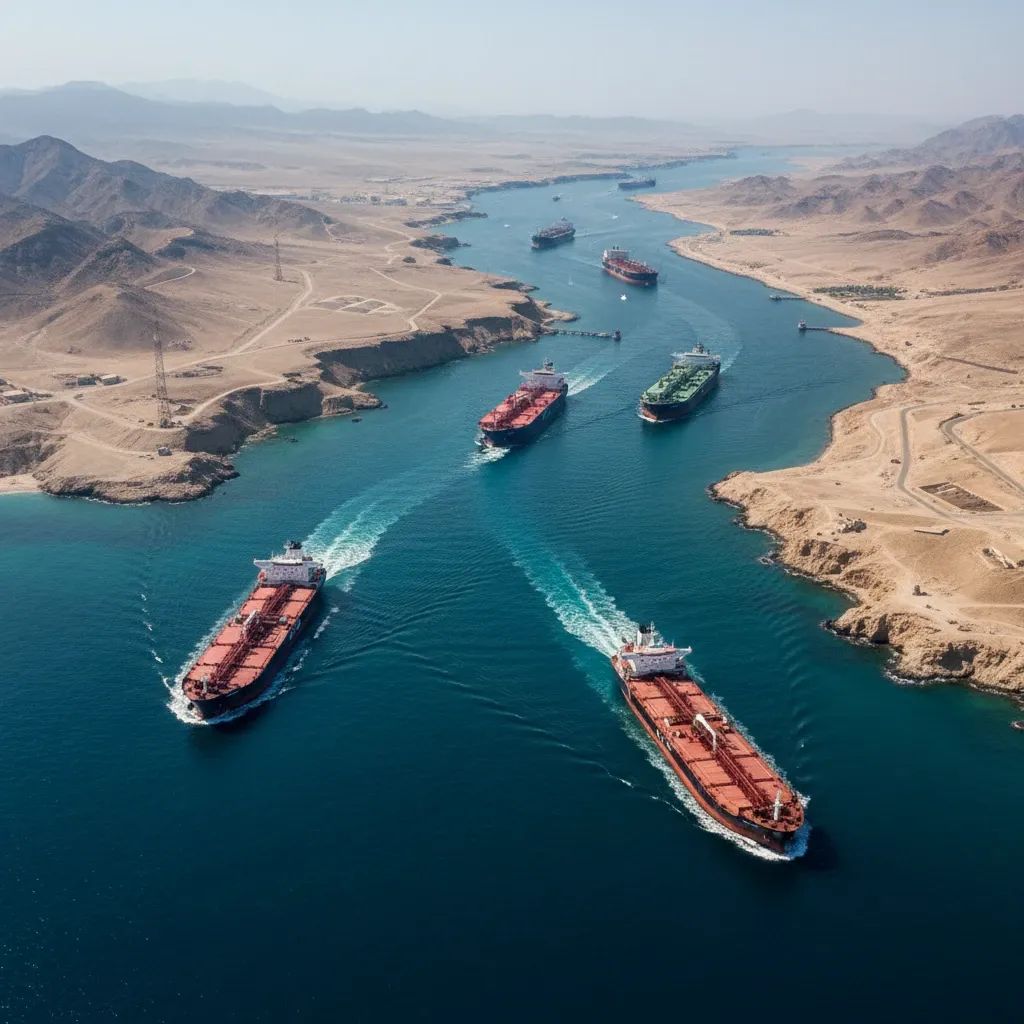
Global oil markets surged as the Iran conflict drives Brent crude toward $103 per barrel, amid escalating tensions and reports of Strait of Hormuz disruptions. The closure of the Strait of Hormuz, through which roughly one-fifth of global oil supply normally flows, has raised concerns about energy supplies across Italy and Europe. The International Energy Agency characterizes the situation as a significant supply disruption in global oil markets.
Why This Matters for Italy
• Fuel prices: Energy analysts report that gasoline prices in Italy have approached €2 per liter, reflecting broader market pressures from the supply disruption.
• Household energy bills: Industry projections suggest Italian households could face substantial increases in energy costs this year, with some estimates reaching €200 annually depending on consumption patterns.
• Industrial impact: Energy-intensive sectors including glass production, steel manufacturing, and petrochemicals face elevated operating costs as energy prices climb.
• Strategic reserves: The International Energy Agency has announced the release of 400 million barrels from member stockpiles to stabilize global markets, with Italy contributing approximately 10 million barrels.
Today's Market Movements
Brent crude rose 1.9% to approach $103 per barrel. West Texas Intermediate increased 1.7% to $97.40, while European natural gas futures on the TTF exchange jumped 1.4% to €51.50 per megawatt-hour. These price movements reflect underlying concerns about supply disruptions in the Persian Gulf region, where military tensions have escalated in recent weeks.
Reports indicate significant disruption to maritime traffic through the Strait of Hormuz following renewed tensions with Iran. Shipping sources suggest tanker traffic has declined sharply, though precise figures vary by report. Insurance companies have reportedly increased war-risk premiums for vessels operating in the region, while charter rates have climbed substantially in early March.
The supply concerns center on the potential removal of a substantial volume of crude from global circulation—estimated by some analysts at 15 million barrels daily or more—as legitimate commercial shipping navigates the uncertain security environment in the strait.
What This Means for Residents in Italy
Italy's direct exposure to Gulf crude is limited—government sources indicate that only a portion of Italy's crude imports transit the Hormuz strait, with the majority arriving through Mediterranean routes from other regional suppliers. However, as a major importer dependent on global energy markets, Italy faces exposure to broader price pressures.
Italian government officials, including energy sector representatives, have indicated they are monitoring the supply situation closely. The Technical Emergency and Monitoring Committee has reportedly assessed supply security, and policymakers are evaluating measures to manage potential price impacts on households and businesses.
According to Italian industry associations, businesses across multiple sectors face rising energy costs. Manufacturing clusters—including ceramic production, glassmaking, textiles, paper manufacturing, steel production, and petrochemical facilities—have flagged energy price escalation as a concern for production economics.
Consumer-level impacts are visible at fuel pumps and in utility bills. Storage facilities across Italy currently hold substantial gas reserves, providing a supply buffer relative to some other European nations. However, regulatory authorities have reported that electricity and heating bills remain elevated compared to prior-year levels, despite modest quarterly adjustments for some consumer categories.
Government Response and Policy Considerations
Italian policymakers are evaluating available policy tools to address energy price impacts. According to reports, government officials are considering whether existing mechanisms for emergency relief should be activated, though deliberations about the appropriate triggers and funding sources continue.
The European Commission has recommended that member states consider measures including accelerated renewable energy deployment, tax reductions on energy bills, and streamlined consumer switching between energy suppliers. Various EU nations have pursued different approaches: some have implemented temporary price measures, while others emphasize longer-term structural reforms.
Strategic Reserves and International Response
The International Energy Agency announced a coordinated release of strategic petroleum reserves aimed at moderating price pressure from the current supply disruption. This represents one of several international coordination efforts underway among energy-consuming nations to address market stability.
International energy markets are adjusting to the geopolitical risk premium embedded in current prices. The extent and duration of supply disruption will likely remain a key driver of energy costs for European consumers in the near term.
Energy Security and Future Outlook
Italian energy policy emphasizes long-term supply diversification, including renewable energy expansion, liquefied natural gas import capacity, and supply partnerships with North African producers. Policymakers acknowledge that structural energy security requires reducing dependency on vulnerable supply routes.
For Italian households and businesses, energy costs will remain elevated while current tensions persist. The trajectory of the geopolitical situation in the Persian Gulf—and whether disruptions to shipping through the Strait of Hormuz are resolved—represents the critical variable shaping near-term energy price outcomes.


