
The European Commission has issued a warning to member states: prepare for potential disruptions to energy supplies as Middle East tensions threaten fuel deliveries to the continent. For residents and businesses across Italy, the advisory signals caution about possible price volatility, transport fuel supply concerns, and renewed focus on reducing petroleum consumption in the coming months.
Why This Matters
• EU Energy Commissioner Dan Jørgensen has urged national governments to implement immediate demand-reduction measures, particularly targeting transport fuel.
• Italy could face supply disruptions to gasoline and diesel if Middle East export routes remain blocked or constrained.
• Brussels is cautioning against price caps or subsidies that might increase consumption or restrict cross-border fuel flows within the EU single market.
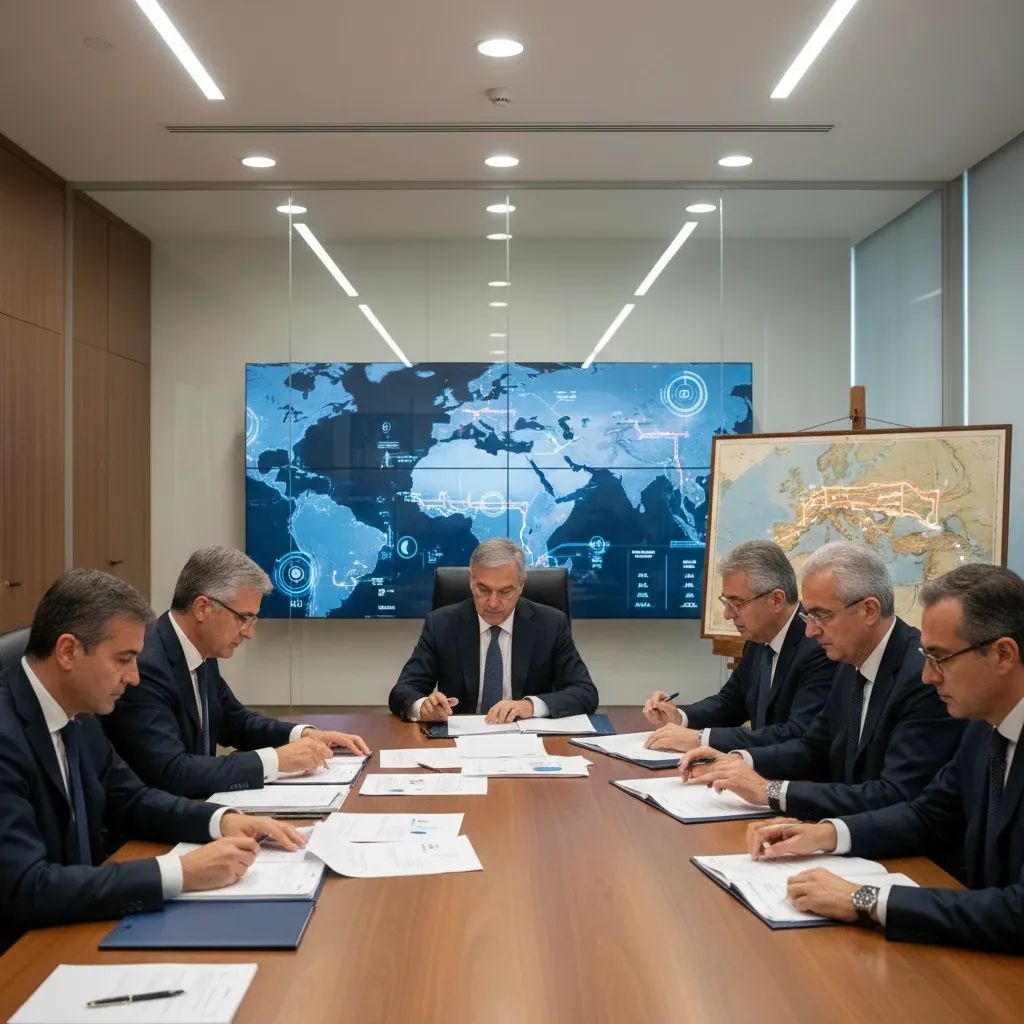
• Ministers from all 27 EU nations convened in an emergency videoconference on March 30 to coordinate response strategies.
The Commission's Core Message
In a letter dated March 30 and obtained by Italian news agency ANSA, Jørgensen told energy ministers across the bloc to "prepare promptly" for what could be an extended interruption in petroleum product availability. The language marks a shift from previous EU energy communications, which have focused on natural gas security since Russia's invasion of Ukraine. This time, the spotlight is on oil and refined fuels—diesel, gasoline, jet fuel, and heating oil—all of which remain important to Italy's economy despite years of renewable energy expansion.
The commissioner's guidance is explicit: national governments should avoid policy responses that might worsen the situation. Brussels specifically cautioned against measures that increase fuel consumption, limit the free movement of petroleum products across EU borders, or discourage refinery output within the union. That rules out interventions like capping pump prices without addressing underlying demand, a move that has been proposed in Italy during past energy crises.
What This Means for Residents
For anyone living in Italy, the implications are worth considering. Transportation is a significant part of Italy's oil consumption, with road transport relying heavily on diesel and gasoline. If supply chains tighten, fuel prices at Italian service stations could increase, particularly for diesel, which powers commercial freight and many passenger vehicles.
The Commission is urging member states to promote oil demand savings in the transport sector. In practical terms, that could mean incentives for carpooling, expanded urban public transit, or accelerated rollout of electric vehicle charging infrastructure. Industrial regions that rely on logistics and freight transportation would be especially sensitive to any sustained fuel supply pressures.
Jørgensen's letter also recommends that governments "assess the possibility of increasing the use of biofuels," which can help meet energy needs and relieve market pressure. Italy already blends biofuel components into its fuel supply under EU renewable energy directives, but expanding those volumes would require regulatory flexibility and cooperation from Italian refineries.
The Middle East Factor
While the Commission's letter does not specify which Middle East conflict triggered the warning, the region remains a significant source of crude oil and refined products for Europe. Major shipping routes in the region are critical to global energy markets. The EU has strategic reserves and coordination mechanisms in place to manage disruptions, including obligations for member states to maintain stockpiles of oil products. However, these buffers are typically designed for short-term shocks rather than prolonged supply interruptions.
Emergency Ministerial Coordination
The emergency videoconference convened by EU energy ministers on March 30 signals the bloc's recognition that oil security is a priority concern. Energy ministers from across all EU member states participated in the session to align national response plans and ensure that cross-border fuel flows remain unrestricted, preventing the kind of supply fragmentation that can drive prices higher during energy crises.
Brussels is focused on ensuring that free circulation of petroleum products within the EU must be preserved, even if individual countries face domestic pressure to manage supplies. The Commission's letter makes clear that coordinated action, rather than unilateral measures, is the preferred approach.
Refinery Operations and Domestic Production
Italy operates several refineries that process imported crude oil. The country's refining sector has been subject to various pressures including environmental regulations and competition. Maintaining adequate refinery operations is important for ensuring fuel availability. The Commission's guidance emphasizes that policy should support rather than undermine domestic refining capacity.
Biofuel Substitution: Potential and Considerations
Jørgensen's letter highlights biofuels as a potential resource to help meet energy demand, though the practical possibilities depend on feedstock availability and production capacity. Italy's biofuel production involves various renewable sources, and expanding biofuel blending would require new supply arrangements and infrastructure support. Advanced biofuels and synthetic alternatives remain limited in availability and scale.
Looking Ahead
The European Commission's advisory is a signal that the bloc's energy security requires attention. Italy, as a country reliant on imported energy, must prepare for a period of heightened caution regarding fuel supplies. Residents should stay informed about potential price developments at the pump, government guidance on fuel efficiency, and possible incentives for alternative energy adoption.
For businesses, especially those in logistics, agriculture, and manufacturing, the message is to review fuel procurement strategies, monitor supply conditions, and remain alert to developments. The EU's coordinated approach aims to prevent market disruption and ensure stability through the period of uncertainty.


