
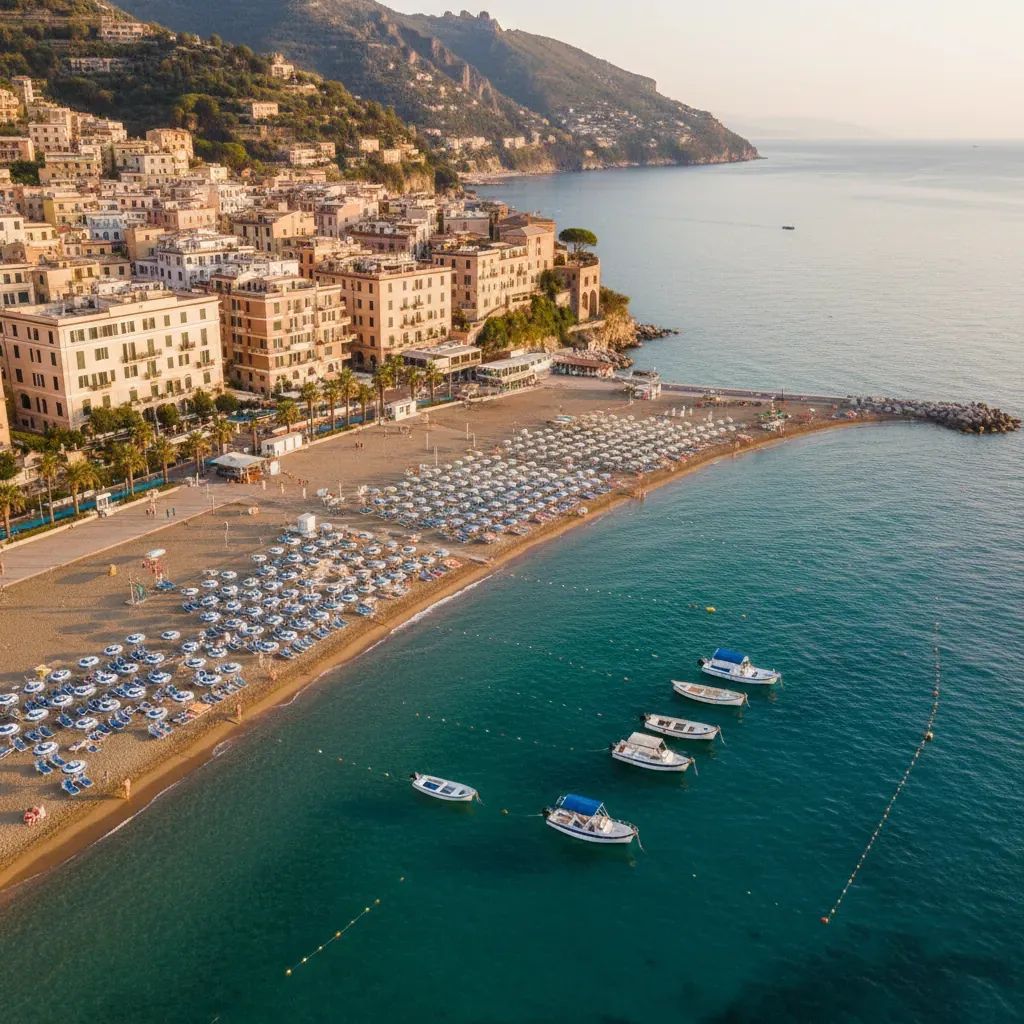
The Italy Health Authority (ASL) in Pescara has confirmed the death of a 50-year-old father who sustained catastrophic brain injuries after intervening to protect his teenage son from a violent altercation on the Fossacesia waterfront. Diomede Barchiesi, a Lanciano resident, succumbed to injuries inflicted by a single punch on August 14, five days after the initial assault on the night of August 9–10.
Why This Matters
• Criminal charges are escalating: The 18-year-old assailant—a recent high school graduate with no prior record—now faces potential involuntary manslaughter charges instead of assault.
• Local authorities suspended entertainment: Fossacesia municipality canceled all musical and nightlife activities for the evening in a symbolic mourning gesture.
• Broader safety concerns: The incident raises questions about enforcement and oversight in high-traffic beach areas during peak season.
Fatal Altercation Outside Beach Club
The tragedy unfolded around 4 a.m. on the night of August 9–10, outside the "Supporter Beach" venue on Fossacesia's seafront promenade in Chieti province. Barchiesi stepped into a heated argument involving his 18-year-old son and another group of youths. According to investigators from the Italy Carabinieri units in Fossacesia and Ortona, the confrontation turned physical when a blow struck Barchiesi's face, causing him to collapse and strike his head on the pavement.
Paramedics transported him in critical condition to the Pescara Hospital Intensive Care Unit, where doctors diagnosed severe traumatic brain injury and placed him in a pharmacological coma. On August 14, medical staff declared brain death and initiated the mandatory observation period required under Italian organ donation protocols. A medical committee formally certified his death later that day.
The ASL Pescara issued a statement expressing condolences to the family "in this moment of profound sorrow," while emphasizing that all legal protocols for brain-death determination had been followed.
Suspect Profile and Legal Trajectory
The alleged aggressor, identified by initials M.M., is a Fossacesia native who completed secondary education this year. He is described as having no prior criminal history.
Initially arrested on charges of grievous bodily harm, M.M. is now expected to face an upgraded accusation of omicidio preterintenzionale (involuntary manslaughter)—a legal classification for deaths resulting from assault where the perpetrator did not intend to kill but committed an act that foreseeably could cause death. Under Article 584 of the Italian Penal Code, convictions carry sentences ranging from 10 to 18 years.
M.M.'s defense team—lawyers Rosario di Giacomo and Alessandro Zaottini—has publicly stated that their client and his family are "devastated" by the outcome. The attorneys have not yet outlined a defense strategy, though legal observers note that cases involving single-blow fatalities often hinge on forensic analysis of force applied and victim medical circumstances.
Nightlife Security Under Scrutiny
The Fossacesia waterfront had been designated for increased Carabinieri, local police, and coast guard patrols during the summer season—a regional initiative coordinating enforcement along the Trabocchi Coast tourism corridor. The program aimed to prevent underage alcohol sales, enforce noise ordinances, and maintain visible law enforcement presence in entertainment districts.
Municipal officials acknowledge that late-night enforcement remains challenging. Fossacesia's mayor held preseason meetings with beach club operators to review security protocols, but critics argue that personnel shortages limit practical oversight once crowds swell after midnight.
What This Means for Coastal Residents and Visitors
For families living in or visiting Chieti's beach towns, the tragedy underscores vulnerabilities in entertainment zones during peak season. Enforcement gaps persist—particularly during peak-season weekends when transient crowds surge.
Parents should be aware that Italy's self-defense laws provide limited protection in public confrontations. Intervening physically in disputes carries both legal and physical risks, even when defending family members. Legal experts recommend prioritizing de-escalation and immediate contact with 112 emergency services rather than direct confrontation.
Travelers should also note that beachfront security varies by locality. Municipalities with year-round police stations maintain stronger late-night coverage than seasonal resort villages relying on part-time reinforcements.
Community Response and Commemoration
Both Fossacesia and Lanciano—Barchiesi's hometown—entered periods of unofficial mourning following the death announcement. The Fossacesia municipal government ordered the cancellation of all scheduled entertainment for August 14, a rare intervention given the economic pressures on tourism-dependent coastal economies during peak season.
Local social media groups erupted with debate over enforcement priorities, with some residents calling for earlier closing times for beach clubs and others arguing that isolated violent incidents should not dictate broader policy. The incident has reignited long-standing tensions between permanent residents who value quiet and seasonal business operators whose revenue depends on late-night crowds.
As investigators compile evidence—including surveillance footage from waterfront cameras and witness testimony—the legal process will likely extend into 2027. For now, the case stands as a stark illustration of how quickly summer leisure can turn deadly.


