
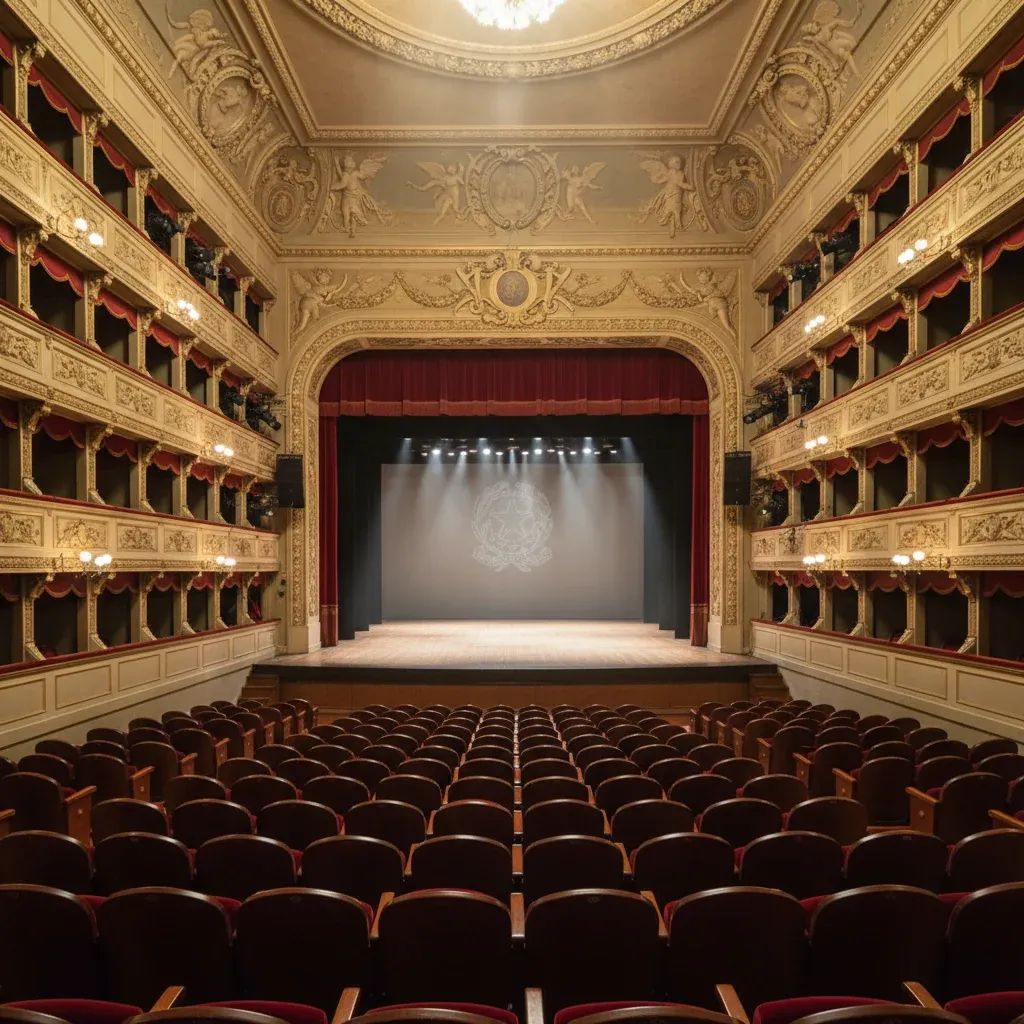
The Guardia di Finanza of Naples has executed a sweeping operation targeting the former leadership of the Teatro San Carlo, placing 12 individuals under investigation for alleged financial misconduct involving approximately €200,000 in disputed payments to international artists for masterclasses that prosecutors claim never took place.
Why This Matters:
• €200,000 in alleged phantom payments to international artists for masterclasses prosecutors contend were never delivered
• Current management not implicated—all allegations concern the previous administration under former superintendent Stéphane Lissner
• Parallel audit underway by the Corte dei Conti, examining potential irregularities in public fund management
The Core Allegations
Prosecutors at the Procura di Napoli have placed a dozen figures under investigation, including Stéphane Lissner, the French opera administrator who led the San Carlo until 2026, and Emmanuela Spedaliere, the former general director who now holds a marketing and institutional affairs role at the same institution. Also under scrutiny is Ilias Tsempetonidis, a cultural manager who coordinated artistic programming.
The investigation examines two distinct issues: alleged phantom payments for educational activities and potential permit violations at the theater's workshop facility.
Track One: The Masterclass Scheme
The primary line of inquiry centers on approximately €200,000-€212,000 allegedly paid to five internationally renowned artists for educational activities—seminars, masterclasses, and coaching sessions—that investigators contend were never delivered. Prosecutors believe this mechanism allowed the theater to circumvent statutory limits on performance fees by reclassifying artist compensation as didactic services.
Among those named are Jonas Kaufmann, the German tenor; Claus Guth, the German stage director; Asmik Grigorian, the Lithuanian soprano; and Krzysztof Warlikowski, the Polish theater and opera director. Kaufmann has publicly denied any wrongdoing, stating he fulfilled all contractual obligations.
If substantiated, the alleged fraud would represent a breach of public trust, given that the San Carlo receives substantial subsidies from the Ministry of Culture and local government.
Track Two: The Vigliena Venue Question
The second investigative strand examines the Officine San Carlo, the theater's workshop and rehearsal complex located in Vigliena. Prosecutors allege that events at this facility violated the terms of its operating permits.
Michele Sorrentino Mangini, son of Emmanuela Spedaliere and director of the Officine San Carlo, is also among those under investigation. Authorities are examining whether so-called "laboratory projects" were in fact fully produced live performances—a distinction that affects Italian venue licensing requirements for safety, tax, and labor compliance.
What This Means for Residents
For Naples residents, the San Carlo is a major cultural institution and employer. The investigation raises broader questions about oversight in Italy's network of fondazioni lirico-sinfoniche—the 14 opera and symphony foundations that blend public funding with private philanthropy.
Crucially, the current superintendent, Fulvio Macciardi, who assumed the role after Lissner's departure, is not implicated. The theater's programming and season schedule continue uninterrupted, and no performances have been canceled as a result of the probe.
The Legal Process
The investigation is in the preliminary phase. Earlier this week, finance police executed search warrants at the San Carlo's administrative offices, seizing mobile phones belonging to the 12 suspects and collecting financial records, contracts, and internal communications.
Parallel to the criminal inquiry, the Corte dei Conti—Italy's audit court responsible for overseeing public expenditure—has been examining the foundation's accounts. That body has the power to impose financial penalties on individuals found to have mismanaged state funds.
Under Italian law, inclusion in the register of indagati does not constitute a formal accusation. Suspects have the right to present defensive evidence and may request interrogation by prosecutors to clarify their positions. No trial dates have been set.
What Comes Next
The reputational impact is significant. Lissner previously led the Paris Opera and the Aix-en-Provence Festival, bringing international prestige to Naples during his tenure. The allegations may complicate his future prospects in European opera management.
Theater operations continue normally under current leadership. As prosecutors piece together the financial details, the city and stakeholders will be monitoring developments closely. The investigation will ultimately reveal whether the allegations substantiate into convictions or result in other legal outcomes.


