
The Italian Presidency has turned a centenary tribute into a civics lesson: President Sergio Mattarella’s Turin itinerary ended with an unannounced stop at the newsroom of La Stampa, a gesture intended to stiffen the country’s resolve against violence aimed at journalists.
Why This Matters
• Press freedom under scrutiny – A November assault on La Stampa’s offices exposed security gaps in Italian newsrooms.
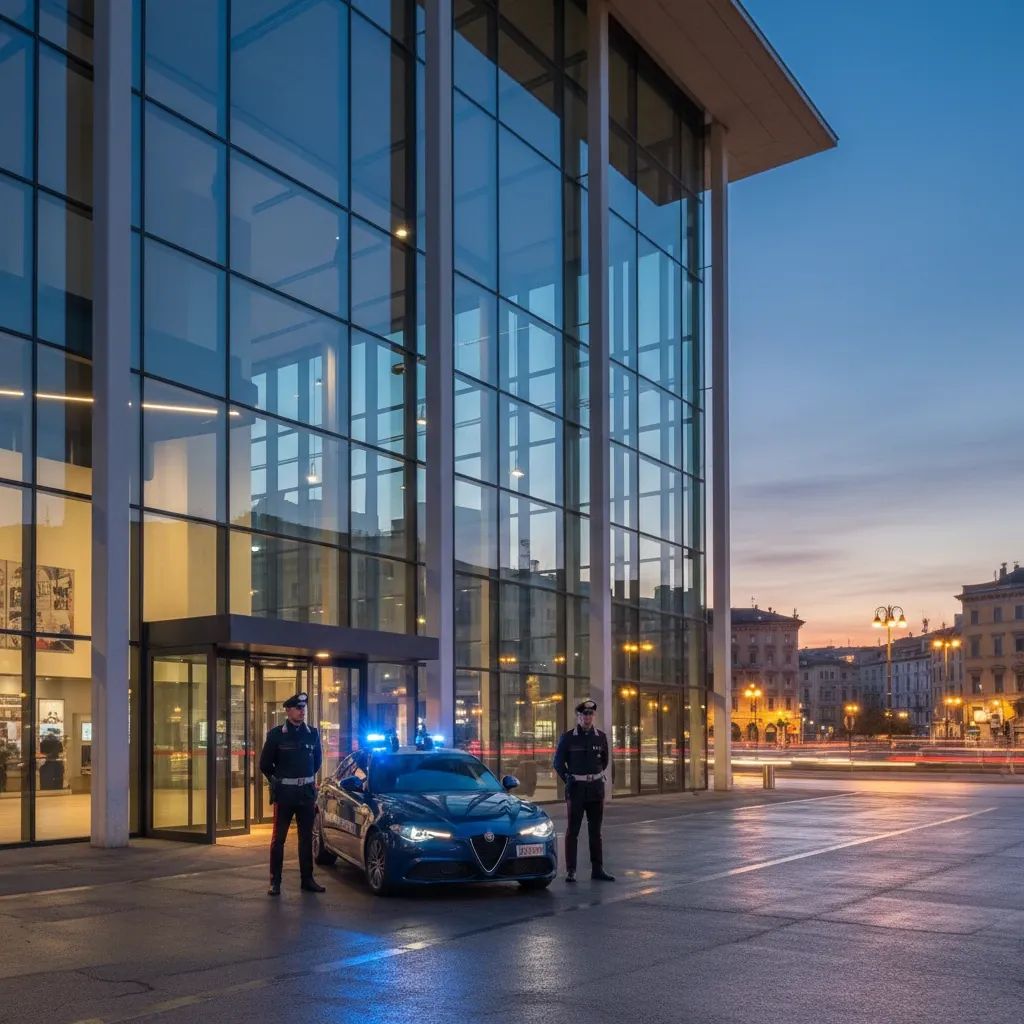
• Permanent police protection – The Prefecture of Turin has since stationed a round-the-clock guard outside the newspaper, a model that could be expanded to other outlets.
• Possible ownership change – La Stampa’s staff used the presidential visit to flag concerns about a future sale of the paper, an issue that could reshape Italy’s media landscape.
• Symbolic defence of democracy – Mattarella’s words reinforce that attacking a newspaper is treated as an attack on constitutional rights, not just property.
The Day in Turin
Mattarella arrived at the ornate Teatro Carignano for the 100-year commemoration of anti-fascist intellectual Piero Gobetti. After quoting Gobetti’s belief that “liberty is participation”, the head of state slipped out of the limelight and travelled three blocks to Via Lugaro, home of La Stampa. The paper’s director Andrea Malaguti, GEDI Group chairman Paolo Ceretti and co-CEOs Corrado Corradi and Gabriele Comuzzo welcomed him with a sparse staff still on hybrid schedules.
Solidarity Stop at La Stampa
During the ten-minute tour Mattarella paused before the shattered glass wall that engineers replaced only last month. On 28 November a crowd estimated at 100 masked demonstrators broke in, overturning desks and computer towers while shouting slogans against media “lies” about labour reform. Most journalists were off-site due to a sector-wide strike, limiting injuries but magnifying shock.
Standing in the reopened open-space newsroom the President told employees, “Newspapers are pillars of democracy; if they bend, so does the Republic.” The remark, though off-camera, was confirmed by multiple reporters present.
Growing Pressure for Safer Newsrooms
The attack obliged the Prefecture of Turin to implement a dual security layer: a fixed police post at La Stampa and RAI Piemonte, plus mobile patrols at ʻsensitiveʼ editorial offices around the city. A coordination table chaired by Prefect Donato Giannini now meets monthly with the Ordine dei Giornalisti, FNSI union leaders and media executives to review threat intelligence.
These measures mirror steps taken in Rome after bomb threats against Il Messaggero in 2024 and suggest a potential nation-wide protocol if similar incidents spread.
Political and Union Reactions
Cross-party condemnation arrived within hours of the November assault. Right-wing Premier Giorgia Meloni labelled it “barbaric”, while Democratic Party leader Elly Schlein called every newsroom “a sentry box of liberties”. The consensus held through the President’s visit, giving rare bipartisan cover to fresh spending on media security.
Inside the building, the newspaper’s internal union (Cdr) handed Mattarella a sealed letter outlining fears over a rumoured divestiture by GEDI. Journalists argue that new ownership without deep pockets could dilute investigative resources, weakening local accountability journalism that readers in Piedmont rely on.
What This Means for Residents
— More visible policing around major media hubs will likely continue, so commuters near Via Lugaro or RAI’s Corso Regina studios should expect routine ID checks and traffic slowdowns at shift change hours.
— Subscription rates are not expected to rise in the near term; however, any future sale of La Stampa could trigger a strategic overhaul, including digital-only packages that might phase out home delivery in outlying provinces.
— The President’s framing of attacks on journalists as attacks on citizenship gives civil-society groups stronger leverage when requesting protective orders or defamation-law reform. That could directly affect how freely residents can access public records and whistle-blower reports.
— For expatriates and foreign investors, the swift institutional response signals that Italy is keen to safeguard its information infrastructure, a prerequisite for a stable business climate.
By transforming a ceremonial anniversary into a real-time defence of the free press, Mattarella reminded Turin—and the nation—that civic rituals matter most when they safeguard everyday rights.


