
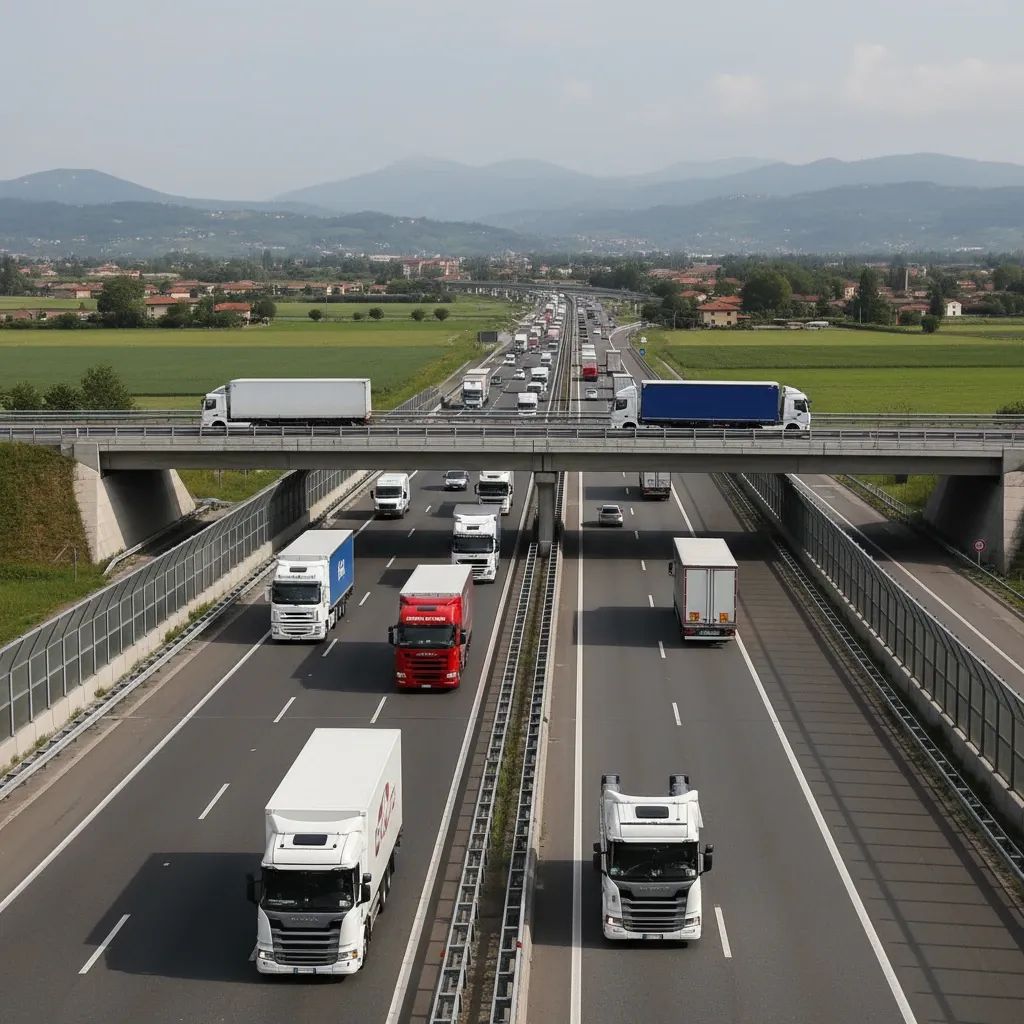
Unatras, the umbrella organization representing over 90% of Italy's road haulage companies, has confirmed a five-day national stoppage starting at 00:01 on May 25 and running through midnight on May 29. The shutdown, which comes in response to what the federation calls the government's "unexplained insensitivity" to skyrocketing fuel costs, threatens to disrupt supply chains across the country at a critical moment for retailers and manufacturers.
Why This Matters
• Supply disruption window: The May 25-29 stoppage will halt most commercial road freight, affecting grocery stores, pharmacies, and manufacturing inputs.
• Fuel cost crisis: Diesel prices have surged significantly since the start of 2026, with the road haulage sector facing unprecedented pressure as fuel represents roughly one-third of operating costs.
• Financial fallout: Industry reports indicate that many haulage firms face severe viability challenges if fuel prices remain at elevated levels.
• Legal compliance: This action follows the prescribed 25-day notice protocol, unlike an earlier April strike by a rival group that violated procedural safeguards.
The Fuel Cost Challenge
Italy's road freight sector entered 2026 under fiscal pressure. The national budget changes and geopolitical instability in the Middle East have contributed to significant increases in diesel prices. For haulage businesses, fuel represents approximately one-third of total operating costs, making sustained price spikes a serious threat to operations.
Unatras president Paolo Uggè issued a call to Rome: "The time for half-answers is over. We need concrete compensatory measures against an unsustainable rise in fuel costs. Road haulage is essential infrastructure for the economy, and we deserve a serious dialogue with those who play by the rules."
The government has acknowledged the industry's challenges, though specific relief measures remain under discussion. According to sector representatives, ongoing dialogue with Rome focuses on both immediate support and longer-term solutions to stabilize the logistics sector.
A Fatal Precedent and Legal Boundaries
Unatras took pains to distinguish its planned action from an earlier stoppage organized by Trasportounito, a smaller federation. That protest, scheduled for April 20–25, violated Italy's strike-notice rules by providing only 20 days' advance communication to the Guarantee Commission on Strikes, five days short of the statutory minimum. It also breached procedural safeguards designed to protect workers and the public.
On the night of April 19–20, Luigi Nappo, a 55-year-old driver from Marano di Napoli, was killed on the A1 motorway near the San Nicola La Strada service area in Caserta province. Nappo had been standing on the carriageway, waving trucks into a convoy, when a Mini Cooper struck him. The driver stopped at the scene and was subsequently charged with vehicular homicide. Trasportounito suspended its action immediately.
Unatras expressed "deepest condolences" to Nappo's family and colleagues but made clear it had no connection to the April protest. The federation accused Trasportounito of "consciously violating" procedural safeguards and declared it would refuse to sit at government negotiating tables with groups that flout the rules.
What This Means for Residents
If the May 25–29 stoppage proceeds as planned, Italians can expect:
• Retail stock gaps: Supermarkets and pharmacies typically carry limited inventory; perishable goods—dairy, fresh produce, meat—may become harder to find.
• Manufacturing slowdowns: Production lines that depend on regular component deliveries may experience disruptions during the stoppage period.
• Fuel-station shortages: Tanker deliveries will halt, and some pumps may experience reduced availability.
• E-commerce delays: Online orders placed in late May could face delays once the stoppage ends.
Essential services—medical supplies, emergency transport—are exempt under the Code of Self-Regulation for Essential Public Services, and Unatras has pledged to maintain those minimum guarantees. The federation filed its notice on time, ensuring compliance with all procedural requirements.
The Broader Context
Italy's haulage sector is highly fragmented, dominated by small and medium enterprises operating relatively small fleets. Many lack substantial financial reserves to weather extended periods of elevated fuel costs. Industry observers note that ongoing negotiations between the sector and government will be critical in determining whether further disruptions occur beyond May.
For now, residents and businesses should prepare for potential disruptions in the final week of May and monitor government announcements regarding support measures for the logistics sector. The stoppage represents a significant escalation by an industry that believes immediate action is necessary.


