
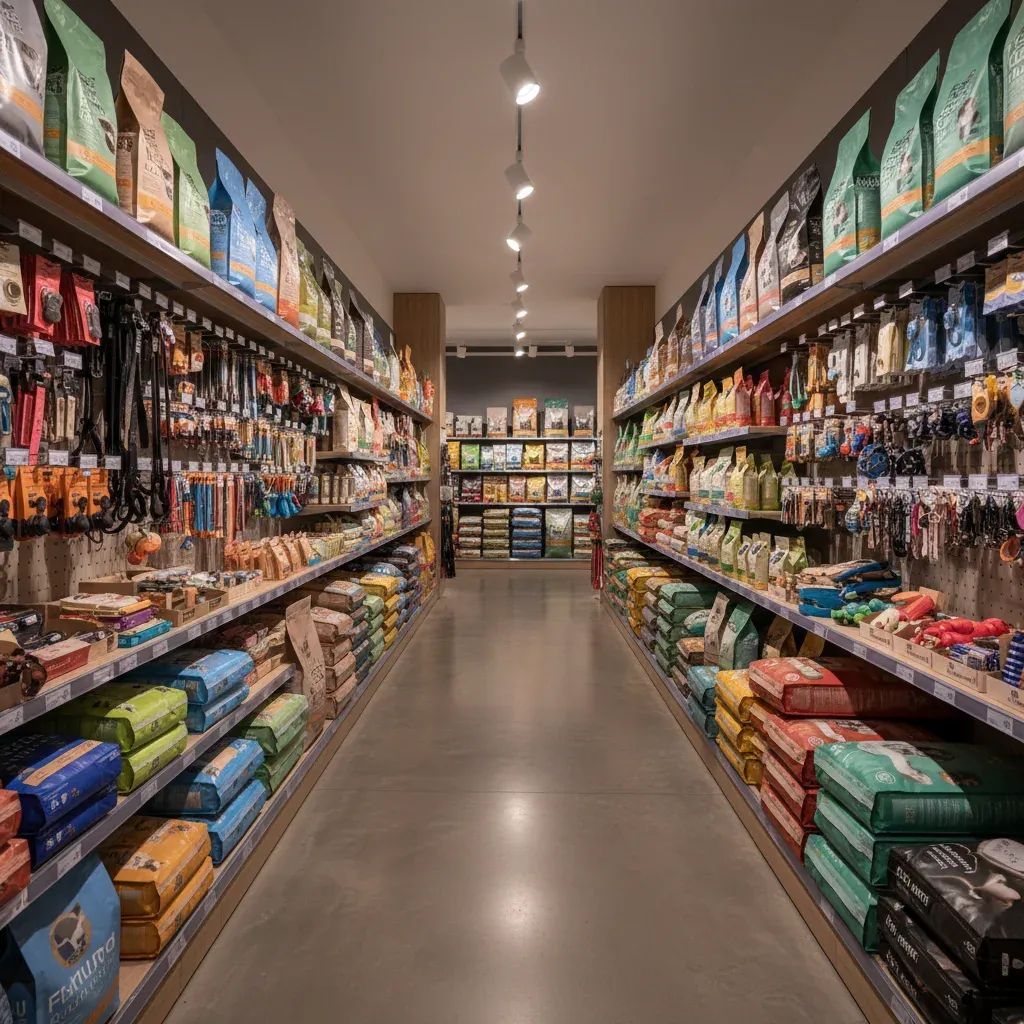
Italy’s households have quietly funneled €6.7 B into pet food, vets and grooming last year, a surge that is rewriting family budgets and opening thousands of small-business jobs across the country.
Why This Matters
• €6.7 B annual spend already outpaces growth in most consumer categories, pressuring family budgets.
• Prices for vet services up 2.3 % in 2025—expect higher pet insurance quotes in 2026.
• 3,440 artisan firms now groom, walk or board pets, creating niche employment you can qualify for in a few weeks.
• New tax deductions on vet bills cap at €550; knowing the ceiling saves real money when filing.
From Kibble to Cloud: Where the Money Goes
Italian families direct 80 % of their outlay to food, medicines, toys, collars and lettiere, while the remaining slice lands on veterinary visits, obedience classes, boarding and mobile-app subscriptions. A decade ago, pet items absorbed barely €3.8 B; today that figure has climbed +76 %, easily beating the 9.4 % rise in overall household consumption. Inflation explains only part of the jump. The bigger driver is the “humanisation” trend—owners pick grain-free kibble, tailor-made diets and biodegradable litter that cost more but promise longer, healthier pet lives.
The Business Boom Behind the Leash
Confartigianato counts 3,440 artisan pet-care shops, from boutique toelettatura studios in Milan’s Navigli to mobile vet vans on Sicily’s back roads. Those micro-enterprises employ 4,231 people, more than double 2014 levels. Export revenue of €827 M partly offsets a still negative trade balance of €270 M, suggesting room for Italian-made treats and leather leads abroad. For would-be entrepreneurs, the barrier to entry is low: a regional SCIA licence, a 30-hour animal-handling course and, in some regions, no VAT for turnover under €85,000.
Tech, Insurance and Green Kibble: Three Trends to Watch
Pet Tech: Italy hosts 78 start-ups, pushing smart collars, GPS trackers, automatic feeders and app-linked fountains. Funding grew +430 % in 2025, signalling investor appetite.
Insurance: Only 22 % of owners hold a policy, yet premiums start at €14/month, covering surgery, third-party liability, tele-vet chat and even emergency pet-sitters.
Sustainable food: Labels boasting organic, insect protein, plant-based, single-origin meats gain shelf space. Analysts project €5.6 B in 2026 pet-food turnover, with compostable packaging as a selling point.
What This Means for Residents
• Budget realistically: the average cat costs €767/year, a dog €1,263—roughly a month’s rent in many provincial capitals.• Keep receipts: vet expenses above €129 qualify for a 19 % IRPEF deduction up to €550; digital invoices make audits easier.• Consider insurance: a torn cruciate ligament can run €1,800; a basic policy may pay for itself in one accident.• New jobs: grooming certificates fetch €18-€25/hour income; demand is highest in Lombardy, Lazio, Emilia-Romagna.
Outlook for 2026 and Beyond
Confartigianato expects the market to nudge €7 B by year-end and touch €8.6 B by 2032 on a modest 2.3 % CAGR. Growth will concentrate online, where 35 % of accessories already sell. Watch for AI-powered feeders, DNA diet kits, green bonds funding pet-food factories and stricter EU labelling rules on ingredients. For Italian consumers, the era of the budget-friendly pet is over; the new normal is treating Fido like a family member and paying accordingly.


