
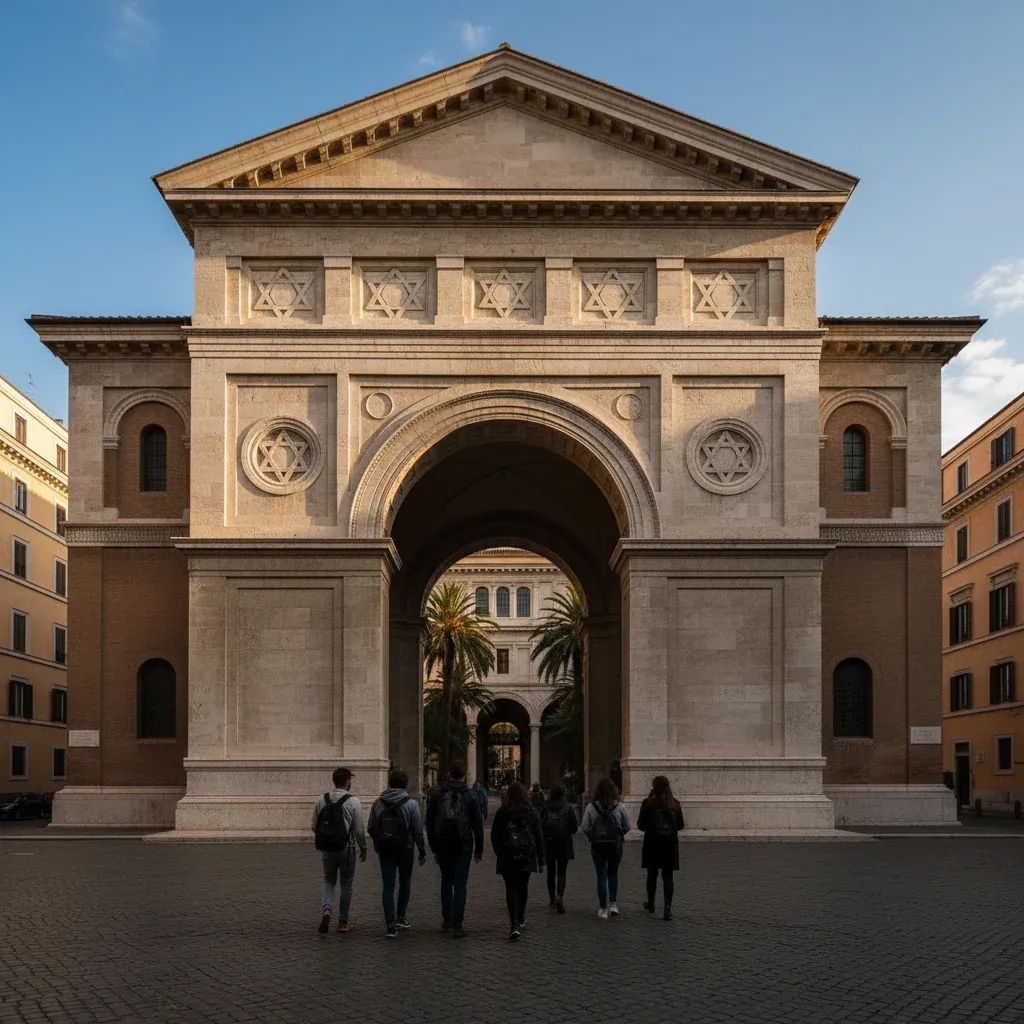
The Italy Union of Jewish Communities (UCEI) has handed its leadership baton to Livia Ottolenghi, a move expected to reshape how the country’s 21 officially recognised Jewish communities coordinate education, welfare and institutional dialogue.
Why This Matters
• Fresh leadership after 9 years: Ottolenghi replaces Noemi Di Segni, ending nearly a decade of continuity at the top of the national umbrella body.
• Schools & youth in focus: The new president built her reputation modernising Jewish curricula; she now controls the €15 M annual budget that funds religion classes and cultural events from Trento to Palermo.
• Stronger bridge to Israel: Two vice-presidents have been tasked with intensifying academic and economic exchanges, potentially expanding study-abroad slots and heritage tourism.
• Nationwide anti-hate strategy: A dedicated portfolio against antisemitism means local municipalities could soon receive new guidelines and training modules.
A Professor Steps into the Spotlight
At 63, Ottolenghi combines a scholar’s résumé—full professorship in Dentistry at Sapienza University of Rome—with decades of grass-roots work inside Rome’s Jewish daycare centres, primary schools and synagogues. Colleagues describe her as an “organiser who never raises her voice yet never leaves a file unfinished.” The new president secured an absolute majority (42 votes out of 46), running on the Habait slate, a coalition that spans orthodox, progressive and secular observers.
A Roadmap Built on Education and Openness
Ottolenghi’s platform circles around three pillars: openness, identity, cultural growth. In practical terms that translates to:
Curriculum upgrades — rolling out digital textbooks about Jewish history to state schools, building on the successful “16 fact-sheets on Judaism” pilot.
Youth empowerment — funded internships in museums and start-ups aimed at keeping 20- to 30-year-olds engaged inside community life.
Transparent governance — publishing meeting minutes online and assigning clear delegations: Milo Hasbani will oversee fundraising and Israel relations, while Monique Sasson coordinates Europe-wide alliances against hate speech.
Reactions from Rome to Milan
National officials rushed to congratulate the new board. Italy Senate President Ignazio La Russa applauded the “continuity in values, innovation in method,” while Rome Mayor Roberto Gualtieri hinted at joint restoration projects for the capital’s Jewish quarter. Community rabbis in Florence and Venice welcomed the decision to create a think-tank on kosher certification, something small congregations have long demanded. Business-oriented members, however, cautioned that expanded social programmes must not inflate the union’s budget, now funded mainly by the 0.8% “Otto-per-mille” tax designation.
What This Means for Residents
• Parents can expect new scholarship schemes for Jewish and non-Jewish students interested in Hebrew, archaeology or intercultural dialogue.
• Small-town mayors may soon receive ready-made lesson plans to mark Holocaust Remembrance Day, reducing the workload on local teachers.
• Tourism operators could benefit from joint marketing campaigns that package synagogue tours with Italian-Israeli food festivals.
• Homebuyers in historic ghettos may see stricter preservation rules as UCEI pushes for enhanced UNESCO protections.
Next Steps
The president promised to set up three strategic working groups by early spring: communication, higher rabbinical education and university-level Jewish studies. Draft guidelines are due within 90 days; implementation should start with the 2026-27 school year. If the timetable holds, Italians will see the first concrete outcomes—updated textbooks, new cultural events and streamlined kosher certification—before next winter.
For now, the handover signals not just a change of guard but a deliberate attempt to keep Italy’s 40,000-strong Jewish population firmly embedded in the nation’s civic and cultural mainstream while opening fresh channels of cooperation with Israel and global Jewry.


