
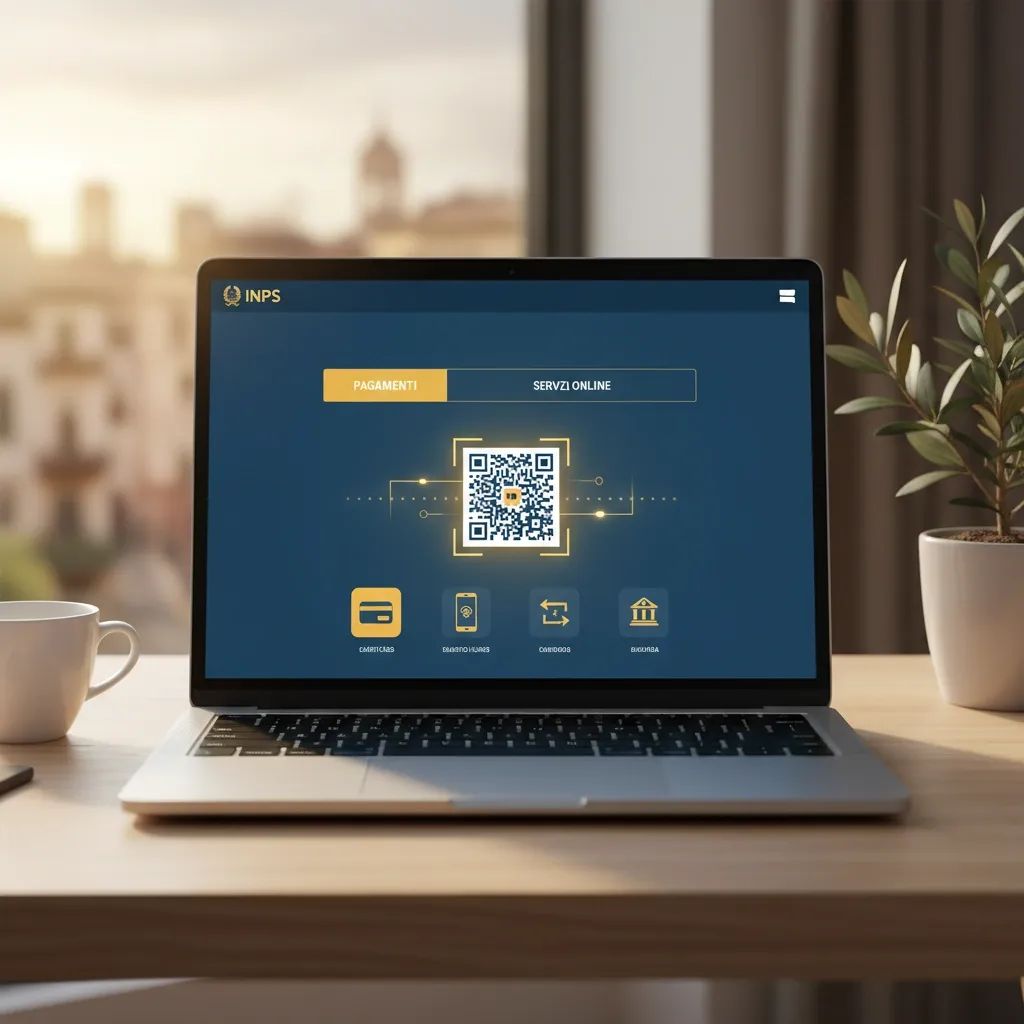
The Italy National Social Security Institute (INPS) has phased out paper payment notices for employers of domestic workers, a mandatory digitalization shift that officially began in January 2026. Here's what you need to do before the deadline passes.
ACTION REQUIRED: Here's Your Timeline
• If you're under 76: You must act NOW. Paper notices are already gone. All domestic worker contribution payments must be made online via the INPS portal, PagoPA, or approved apps—no exceptions, no extensions.
• If you're 76 or older: You have until the end of 2026 to transition. Paper notices will arrive through December 2026 only. Starting January 2027, you'll also need to go digital or arrange assistance.
• Everyone else: Missed payments trigger fines and jeopardize your worker's benefits. This isn't optional.
What Changed and Why It Matters
Italy's domestic workforce—hundreds of thousands of housekeepers, caregivers, and babysitters—depends on timely contributions for pensions, health coverage, and contractual protections. The paper system is gone. Every contribution payment now flows through PagoPA, Italy's unified digital payment platform.
Previously, employers received preprinted postal bulletins with a barcode and due date. Now, the responsibility falls entirely on you: log in, verify amounts, initiate the payment. No more mail. No more reminders.
The Mechanics: How Payment Works Now
Step 1: Get Digital AccessYou need an active digital credential to access the INPS system:
• SPID (digital identity system)
• CIE (electronic identity card)
• CNS (national services card)
If you don't have one, visit a post office, municipal office, or authorized SPID provider—this is your first step.
Step 2: Access the INPS PortalNavigate to www.inps.it and log into the Portale dei Pagamenti – Lavoratori Domestici (Domestic Workers Payment Portal). You'll see your open contracts and outstanding contributions.
Step 3: Generate Your Payment NoticeDownload the PagoPA notice as a PDF. It includes a QR code and alphanumeric payment code. This is your digital replacement for the old postal bulletin.
Step 4: PayChoose your method:
• Online via the INPS portal with credit or debit card
• Home banking (CBILL circuit)
• INPS Mobile app or government IO app
• Bank branch or post office in person
• Any PagoPA-affiliated service provider
Payment intermediaries handling multiple contracts can use INPS's bulk issuance function to generate multiple notices at once.
Step 5: Keep Your RecordsStore digital confirmations. Paper receipts won't arrive by mail anymore.
Who Needs Help and Where to Get It
Not everyone is comfortable navigating digital systems. Here's where to turn:
• INPS Contact Center: Reachable via www.inps.it or by phone. Staff will walk you through the process. (Note: Legitimate INPS representatives will NEVER ask for passwords, banking details, or authentication codes. If someone calls asking for these, hang up—it's a scam.)
• CAF UIL, AsNALI, Associazione Domina: These organizations offer hands-on assistance, guides, and helplines specifically for domestic employers.
• Professional intermediaries or accountants: Many offer step-by-step support, especially for first-time users.
• Family members or neighbors: Many employers delegate the task to adult children or trusted contacts.
The Friction Points: What's Causing Concerns
Labor unions and employer associations have flagged three main issues:
Digital literacy gap. Older Italians and those less comfortable with online systems are struggling. The requirement for digital credentials adds another barrier for some.
Phishing and fraud. Scammers are already targeting the vulnerable, posing as INPS representatives and requesting sensitive information. INPS has warned the public: legitimate calls will NOT ask for passwords or banking data.
Automation fatigue. Where once a bulletin arrived with everything pre-calculated, employers now must remember to log in quarterly, verify amounts, and execute payments. Missing a deadline means penalties and jeopardized worker benefits.
Italy's Broader Digital Strategy
This shift is part of a national effort to streamline public administration and reduce costs. PagoPA, Italy's unified payment platform, now handles taxes, fines, school fees, and social contributions. By centralizing domestic worker payments through PagoPA, INPS gains oversight, faster reconciliation, and reduced postal expenses.
This also aligns with European Union directives pushing member states to digitalize public services and improve data collection. Domestic work remains one of Europe's least formalized sectors, with high rates of undeclared employment. Better digital tracking could improve compliance.
Italy's rapid, comprehensive phase-out of paper notices for domestic workers appears unique in Europe. Few other EU countries have undertaken such a targeted transition with published outcomes, making this a live experiment in balancing modernization with accessibility.
The Bottom Line: What You Must Do
Before the end of 2026:
Verify you have active SPID, CIE, or CNS credentials
Access www.inps.it and locate your domestic worker contracts
Generate and pay your PagoPA notices online
Keep digital records
If you're struggling, contact INPS, a CAF, or a professional intermediary immediately—don't wait
Starting January 2027: Paper is completely gone. Everyone pays digitally or arranges delegation. No exceptions.
The system is faster and more transparent in principle, but its success depends on how effectively Italy's institutions support those less comfortable with digital tools. For now, the message is unmistakable: the paper era is over, and the time to prepare is now.


