
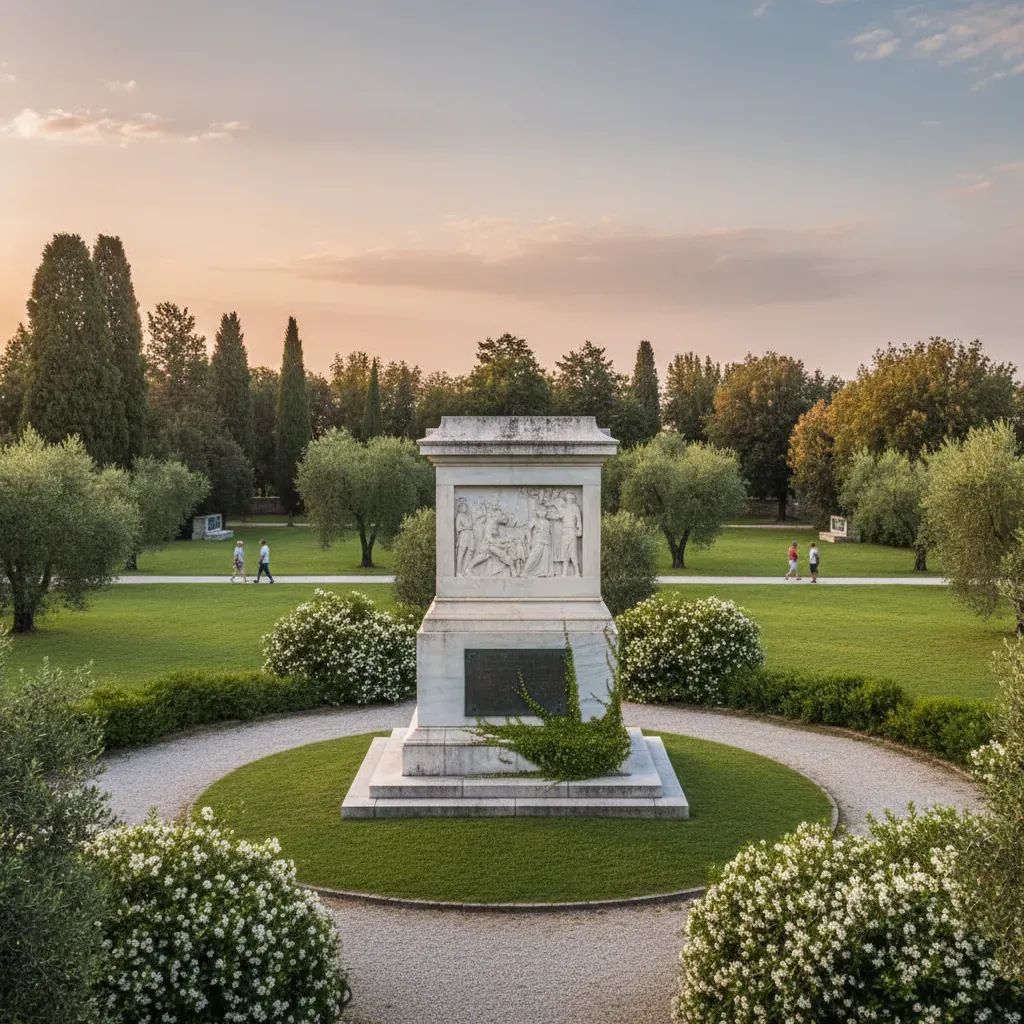
The Italian Ministry of Culture has slashed funding for five major Resistance memorial sites by 27%, cutting allocations from €2.5M to approximately €1.8M in a fiscal maneuver buried within emergency petroleum price legislation passed this past March. Each of the five affected institutions—Marzabotto, Fossoli, Sant'Anna di Stazzema, Museo Cervi, and Risiera di San Sabba—now faces a reduction of roughly €136,000 annually.
Why This Matters
• Five iconic sites lose €136,052 each: The five affected memorials now operate on significantly reduced budgets that previously underwrote archival preservation, school engagement programs, and physical site maintenance at some of the nation's most important anti-fascist landmarks.
• Projects already underway are now at risk: Educational initiatives, archival digitization, and site restoration efforts face suspension or cancellation.
• Parliamentary pushback intensifies: Opposition lawmakers have filed formal inquiries coinciding with the approach of April 25 Liberation Day, raising concerns about the symbolic timing of the cuts.
The Fund's Genesis and Original Mandate
Established in December 2017 through a cross-party initiative, the Fund for the Protection and Promotion of Anti-Fascist and Resistance Heritage was designed to ensure that Italy's historically significant sites related to Nazi-Fascist atrocities and partisan resistance could sustain operations, conduct scholarly research, and educate younger generations. The original allocation of €500,000 per site was calculated to cover essential functions: physical upkeep of memorials, archival conservation, academic research grants, and programming for schools.
The fund has supported these core functions across the five affected sites, including documentation and preservation work at the memorial locations.
What the Cuts Mean for Residents
For educators and communities near any of these five sites, the cuts translate into potential disruptions to guided tours, school programs, and archival work. At Risiera di San Sabba—the only Nazi extermination camp on Italian soil—preservation efforts may be affected by the reduced budget allocation.
Museums and memorial foundations rely on these funds to maintain operations and support ongoing historical research. Without predictable annual allocations, institutions may face challenges in sustaining multi-year research commitments and capital improvements.
Parliamentary Battle Lines Form
Andrea De Maria, a deputy from the center-left Partito Democratico and former mayor of Marzabotto, filed a formal parliamentary interrogation demanding that the government justify the reductions and restore full funding. De Maria's intervention, timed to coincide with the buildup to Liberation Day commemorations, raised concerns about the government's commitment to preserving Italy's historical memory infrastructure.
As of now, no official ministerial response has been issued. The timing is significant, given that April 25 is a national holiday celebrating the 1945 partisan victory over Mussolini's Italian Social Republic and Nazi occupiers. Public ceremonies at these memorial sites typically draw cabinet ministers, military honor guards, and extensive media coverage.
The Stakes for Local Communities
For residents in communities where these memorial sites operate, the budget cuts may affect local cultural programming and educational opportunities. Communities whose identities are connected to Resistance history face uncertainty about the future availability and scope of memorial site programs and services.


