
JPMorgan Chase's chief executive Jamie Dimon has issued a warning that the ongoing conflict involving Iran could trigger economic shocks through commodity price increases and force interest rates higher than financial markets currently anticipate — a scenario that could affect Italy's economy.
Why This Matters
Dimon's assessment, delivered in his annual shareholder letter, marks a significant statement about macroeconomic risks. The banker framed the Iran crisis as a systemic threat to global financial markets, pointing to potential disruptions in energy supplies and their cascading effects on inflation and monetary policy.
The core concerns Dimon raised include:
• Energy market disruption: Conflict in the Middle East threatens supply through critical shipping routes, with potential to push commodity prices higher
• Inflation pressures: Energy shocks could drive inflation above central bank targets, complicating efforts to control price growth
• Interest rate uncertainty: Central banks may need to raise rates more aggressively than markets currently expect to combat inflation, making borrowing more expensive
• Economic growth risks: Stagflation — a combination of high inflation and weak growth — remains a concern for policymakers
The Energy Threat
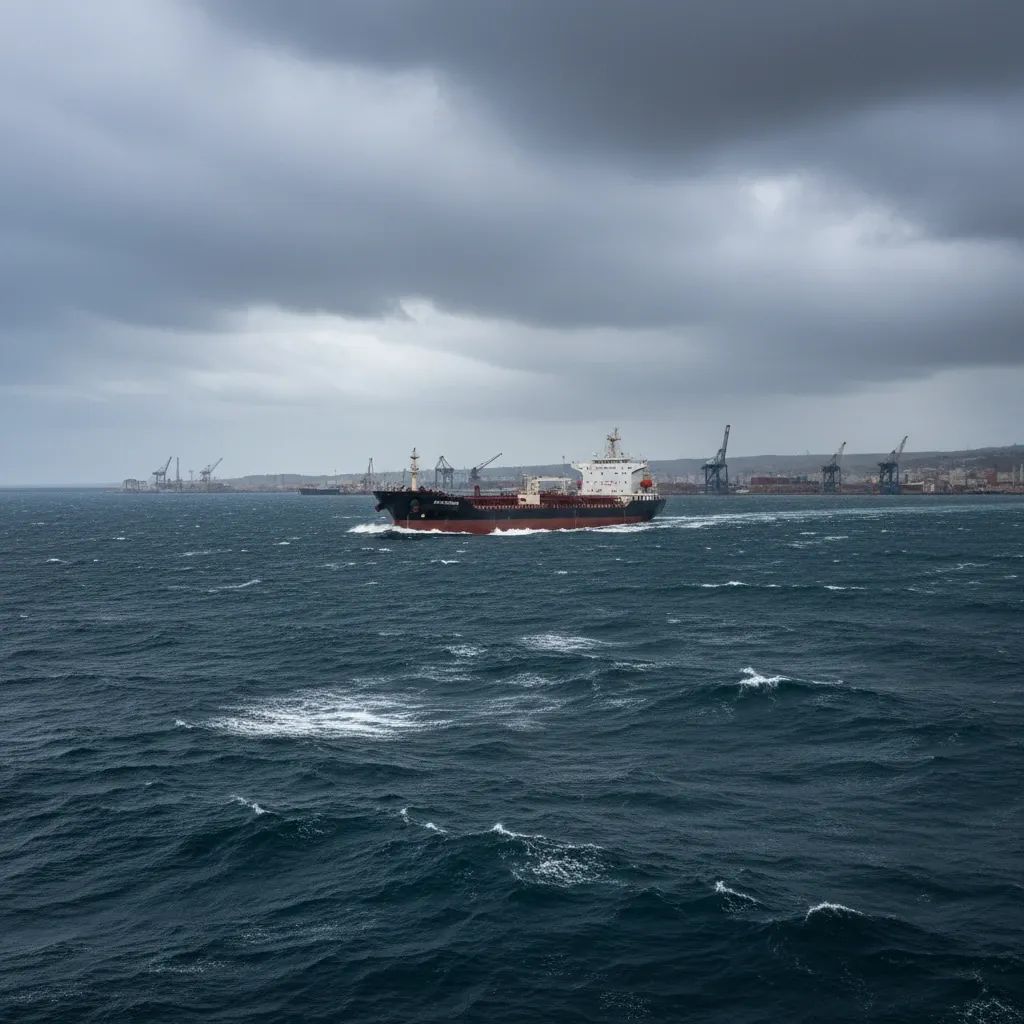
At the heart of Dimon's concern lies disruption to global energy supplies. A significant portion of global oil and natural gas flows through vulnerable maritime routes in the Middle East. Any prolonged conflict could constrain supply, putting upward pressure on prices for fuel and energy across Europe and globally.
Energy cost increases have immediate consequences: higher fuel prices at the pump, increased utility bills for households, and rising input costs for businesses dependent on energy-intensive production.
What This Could Mean for Italy
Italy's economy is particularly vulnerable to energy price shocks due to its dependence on imported fossil fuels. The country's manufacturing sector — especially small and medium-sized enterprises — relies heavily on stable energy costs for competitiveness.
Potential impacts of sustained energy price increases include:
• Household budgets: Rising fuel and utility costs directly affect purchasing power
• Business operations: Companies in energy-intensive sectors face margin pressure if input costs climb
• Monetary policy: The European Central Bank may need to balance fighting inflation against supporting economic growth during a period of uncertainty
• Borrowing costs: If the ECB raises interest rates, mortgages and business loans become more expensive, potentially dampening investment and consumption
The Central Bank Dilemma
Monetary policymakers across the eurozone face a difficult trade-off. Raising interest rates to combat inflation would make borrowing more expensive, potentially crimping investment and consumption during an economically vulnerable period. Yet leaving rates unchanged risks allowing inflation expectations to become unmoored, which could trigger wage-price spirals that are harder to control later.
The challenge for central banks is navigating this period without pushing the economy into recession while keeping inflation under control.
Private Credit Concerns
Dimon devoted significant attention to the private credit sector — the growing corner of finance where non-bank lenders provide loans to companies outside traditional capital markets. He warned that lending standards have weakened in recent years as capital pursued higher yields, and default rates could rise if economic conditions deteriorate.
This sector represents a potential vulnerability if corporate cash flows come under strain from prolonged energy shocks or economic slowdown.
What Comes Next
For residents and businesses in Italy, the near-term outlook involves preparing for a period of elevated uncertainty. Those with variable-rate mortgages should monitor ECB policy announcements, as rate decisions will directly affect monthly payments. Companies with exposure to energy-intensive operations or global supply chains may need to reassess their cost structures and pricing strategies.
Dimon's warning — delivered by the leader of one of the world's largest banks — underscores that macroeconomic shocks create unpredictable feedback loops between geopolitics, commodity markets, inflation, and monetary policy. Whether the current situation remains a temporary disruption or develops into a prolonged period of economic stress depends on factors beyond any single institution's control: the trajectory of regional conflict, energy market responses, and central bank policy decisions in the months ahead.
The prudent approach for policymakers and households alike involves acknowledging the genuine risks Dimon outlined while avoiding speculation beyond what available evidence supports.


