
The Amsterdam TTF hub has pushed spot gas contracts below €31 per MWh, a level unseen in a month, trimming wholesale costs for suppliers and setting the stage for cheaper spring utility bills in Italy.
Why This Matters
• Lower wholesale costs now feed into April pricing formulas used by Italy’s energy regulator ARERA.
• Storage sites remain 34 % full, enough to finish the heating season comfortably but still below the 5-year norm.
• Milder temperatures across Western Europe have cut daily withdrawals, cushioning demand shocks.
• The drop offers a temporary reprieve to businesses facing higher carbon prices on the EU ETS.
The Numbers Behind the Slide
March futures closed Monday at €30.95 per MWh, down almost 5 % on the day and more than 45 % versus the same week last year. For perspective, the contract was trading above €300 per MWh during the worst of the 2022 supply panic—today’s level is roughly a 90 % correction from that peak.
Why Prices Keep Easing
A trio of factors is pulling prices south:
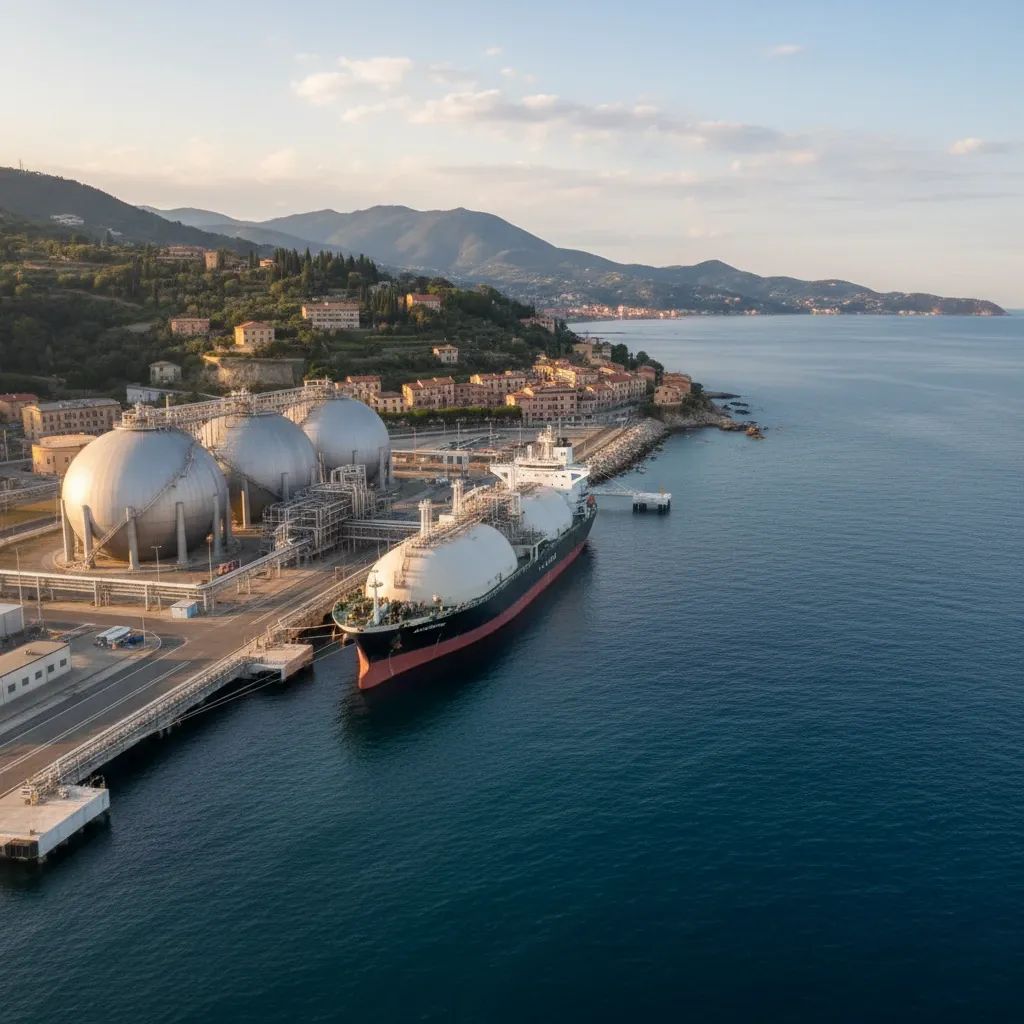
Consistent LNG cargoes: Terminals in Piombino and Panigaglia are running near capacity after a rush of US and Qatari tankers, steering supply away from the more volatile Asian spot market.
Norwegian maintenance delays were resolved earlier than forecast, restoring roughly 100 GWh a day of pipeline inflows into continental hubs.
Warm Atlantic fronts: Average temperatures in Milan and Turin have hovered 3 °C above the seasonal norm, slashing heating demand at the very moment when storages usually drain fastest.
What This Means for Residents
The immediate winner is the household pocketbook. ARERA calculates the protected-tariff gas price on the first business day of each month, referencing the average of the previous 30-day TTF. If current levels hold, analysts at Italy’s Nomisma Energia expect a 4-6 % cut in the April tariff—roughly €45 a year for a standard apartment in Rome. Because natural gas also sets the marginal price for roughly 45 % of Italy’s electricity generation, a knock-on dip in summer power bills is increasingly likely.
Landlords and condo boards can also postpone top-up payments to communal heating funds, while small cafés that rely on gas-fired boilers should see working-capital pressure ease during the shoulder season.
What Could Disrupt the Calm
The downside scenario is far from eliminated:
• Asian demand rebound: China’s industrial recovery could redirect LNG cargoes away from the Mediterranean by May.
• Geopolitical flare-ups affecting the Red Sea or Suez Canal would lengthen shipping routes and lift freight premiums.
• A colder-than-average late March would accelerate storage drawdowns, forcing traders back into the spot market.
The Outlook
Storage injections traditionally restart on 15 April. If sites enter that period above 30 % capacity, Italy will need less than 9 bcm to reach the 90 % EU target by 1 November—a figure the market currently views as achievable without panic bidding. For families and firms budgeting their energy costs, the message is clear: the worst-case scenarios priced in two winters ago have receded, but vigilance is still required.


