
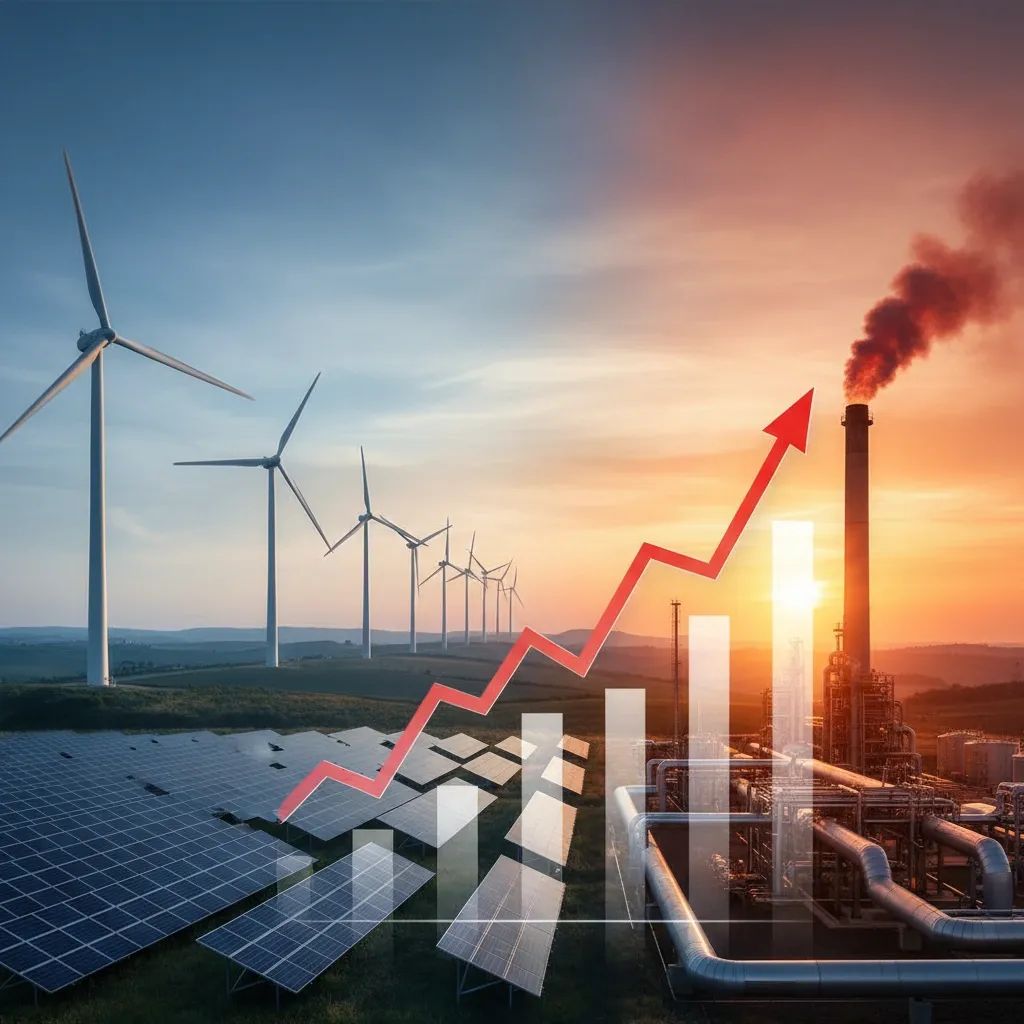
On April 9, 2026, Amsterdam's benchmark natural gas prices dropped sharply, retreating to €44.90 per megawatt-hour as markets digested a tentative diplomatic breakthrough between the United States and Iran that could reopen the critical Strait of Hormuz. The 2.8% decline signaled relief among energy traders after weeks of volatility driven by Middle Eastern geopolitical tensions.
Why This Matters for Your Household
• Lower utility bills ahead: The price drop could translate into reduced household energy costs for Italian consumers in coming weeks and months, particularly for those on variable-rate gas contracts. For a typical household consuming 1,200 cubic meters annually, a 5% reduction in wholesale gas prices can shave €30–€50 off annual bills, depending on supplier markups and contract terms.
• End to supply panic: A reopening of Hormuz would restore critical energy flows to Europe, stabilizing the continent's energy position after weeks of uncertainty.
• Inflation pressure easing: Commodity price corrections could offer modest relief to household budgets strained by higher living costs.
What You Should Know Right Now
If you're on a variable-rate gas contract, you'll likely see benefits first—typically within 4-8 weeks as your supplier adjusts charges. If you're locked into a fixed-rate contract, you won't benefit immediately, but this could be an opportunity to review your contract terms when it comes up for renewal. Check your energy bill to see which type you have, and contact your supplier (Eni, Edison, or another provider) to ask about your specific contract terms.
The Hormuz Factor: Why a 33-Kilometer Strait Affects Your Energy Bills
The Strait of Hormuz, a narrow passage between Iran and Oman barely 33 kilometers wide, is crucial to global energy supplies. Millions of barrels of oil and vast quantities of liquefied natural gas destined for European ports pass through this chokepoint daily. Recent geopolitical tensions had disrupted these flows and driven energy prices higher across Europe, including Italy.
Italy relies heavily on imported LNG to meet domestic demand. The recent tensions had pushed gas prices upward, affecting Italian households and businesses. The diplomatic thaw now unfolding has triggered what traders call the unwinding of market anxiety, dragging benchmark prices down from their recent peaks.
Storage Levels and What Happens Next
Europe entered 2026 with energy storage levels lower than previous years, creating concerns about security of supply. The recent price decline suggests the situation may ease if supply routes normalize. The European Commission has set targets to build up storage capacity over the coming months, and declining prices make this more achievable.
For Italian consumers and businesses, the message is clear: energy volatility remains a concern, but today's price correction offers breathing room. Those with flexibility in their energy contracts or the ability to review their terms during price dips may find strategic advantage in the months ahead.
Action you can take: Check your current contract terms, ask your supplier when variable-rate adjustments typically take effect, and consider locking in favorable rates if price declines continue.


