
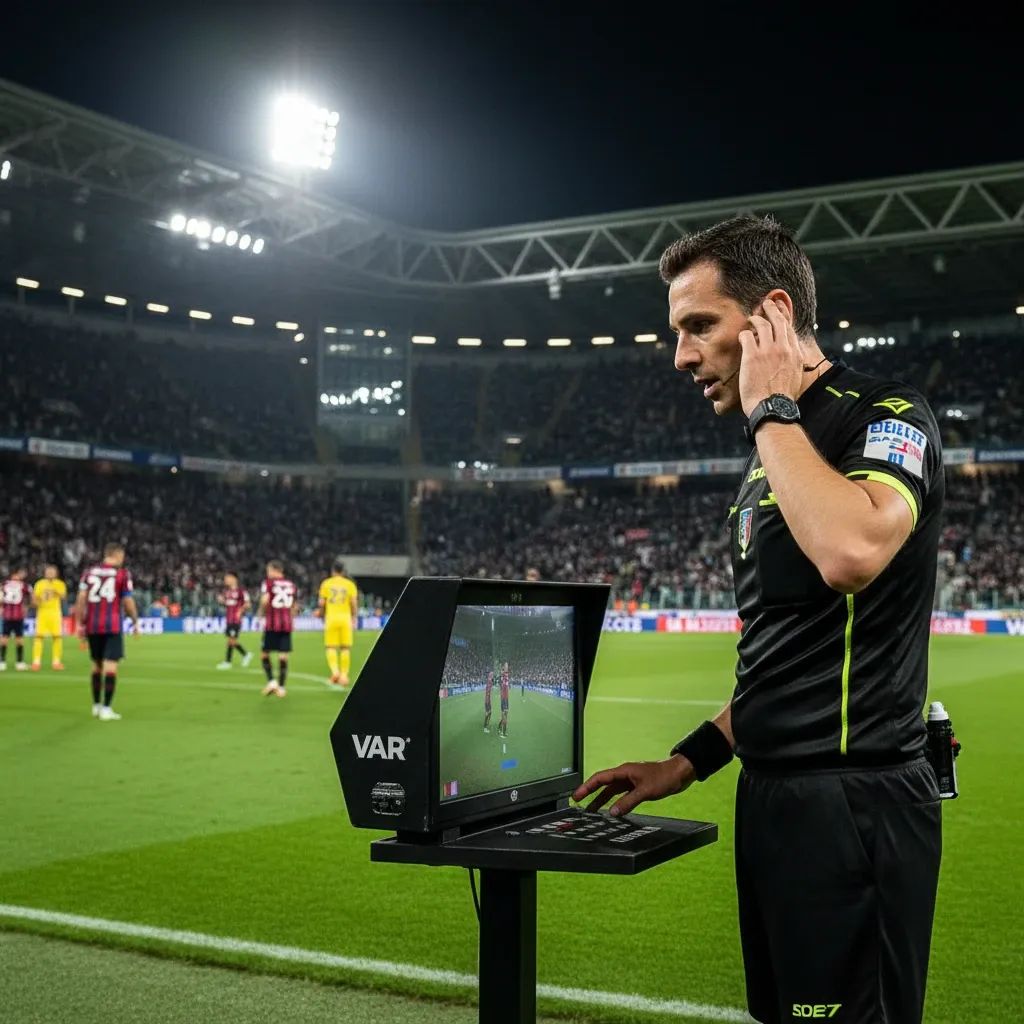
The Italy-based holding Exor has pressed the panic button over refereeing standards, a move that could accelerate long-awaited reforms and ultimately reshape how Serie A matches are managed next season.
Why This Matters
• Professional referees on the horizon – talks of turning match officials into full-time employees may finally gain funding and a launch date.
• Designator shake-up looming – Gianluca Rocchi’s mandate ends in June; veteran whistle-blower Daniele Orsato is the name circulating in Rome.
• Faster VAR tweaks – expect trial rules as early as the March 23 summit, including reviews for every yellow card.
• Fans could see fewer stoppages – a 90-second cap on video checks is under study to keep games flowing.
Behind the Phone Call
The spark came when John Elkann, chair of Turin-based Exor, rang Gabriele Gravina, head of the Italy Football Federation (FIGC), two days after a stormy Inter-Juventus clash. Elkann’s message was blunt: too many “inexplicable” decisions, starting with Pierre Kalulu’s red card and an alleged dive by Inter’s Alessandro Bastoni. The owner’s intervention landed just as Serie A’s refereeing department endures what insiders call its "most fragile season since VAR was introduced in 2017".
Refereeing Under Scrutiny
Referees this year have issued 21 straight-red cards in 23 match-weeks – the league’s highest ratio since 2012 – and mis-calls publicly acknowledged by the AIA referees’ association have doubled versus last season. What worries clubs is not the error count alone but “interpretation drift”: identical fouls punished differently week to week. Critics point to a part-time corps juggling civil-service day jobs with match duties, leaving limited time for joint video drills or physical recovery.
The Reform Proposals on the Table
Complete professionalisation – Serie A and B crews would leave the AIA and sign contracts with a new entity, echoing England’s PGMOL. Estimated cost: €12 M per year, roughly the transfer fee of a mid-table winger.
Expanded VAR remit – allowing intervention on first yellow cards and certain corner-kick clashes. IFAB already gave an informal green light for domestic trials.
Time-boxed reviews – a hard 90-second VAR window to reduce dead time; if no clear evidence surfaces, the on-field decision stands.
Open-mic transparency – public release of audio between referee and VAR after each round, similar to the “Open VAR” experiment piloted during the last Coppa Italia.
Timetable: What Happens Next?
• 23 March – FIGC-clubs-referees summit in Milan; first concrete draft expected.
• 31 May – League assembly vote; a 14-club simple majority can approve the new structure.
• June – Rocchi’s contract lapses; appointment of the new designator pencilled in for mid-month.
• August kick-off – If adopted, professional referees debut with the 2026/27 curtain-raiser.
What This Means for Residents
For the average supporter – or anyone who simply wants peaceful Sunday lunches undisturbed by refereeing rants – cleaner officiating could have tangible pay-offs:
• Smoother match-day experience: fewer VAR delays mean trains from suburban stadiums will again be caught on time.
• Stable ticket pricing: the €12 M professionalisation budget is slated to come from broadcast revenue, not the box office.
• Gambling clarity: regulated betting operators say a reduction in controversial calls cuts refund disputes, potentially improving odds.
• Grass-roots trickle-down: FIGC plans to reinvest a slice of savings from reduced litigation into youth refereeing courses, opening new part-time job paths for university students.
Industry Voices
"We cannot police Champions League qualifiers with hobby referees," says Ezio Simonelli, president of Lega Serie A, calling the current protocol “written by people who never set foot in a locker room.” Ex-FIFA official Claudio Gavillucci echoes that technology is not the villain; “inconsistent criteria are.” Supporters’ group Meritocrazia Italia demands merit-based rankings and demotion for serial under-performers, while acknowledging that credible reforms will take “at least two full seasons” to bed in.
The ball is now in Gravina’s court. Should he push the measures through, Italy might, for once, export a governance model instead of talent. If he hesitates, the next angry phone call from club owners is only one whistle away.


